Judge Orders OpenAI to Hand Over Hiring Records in Apple Case
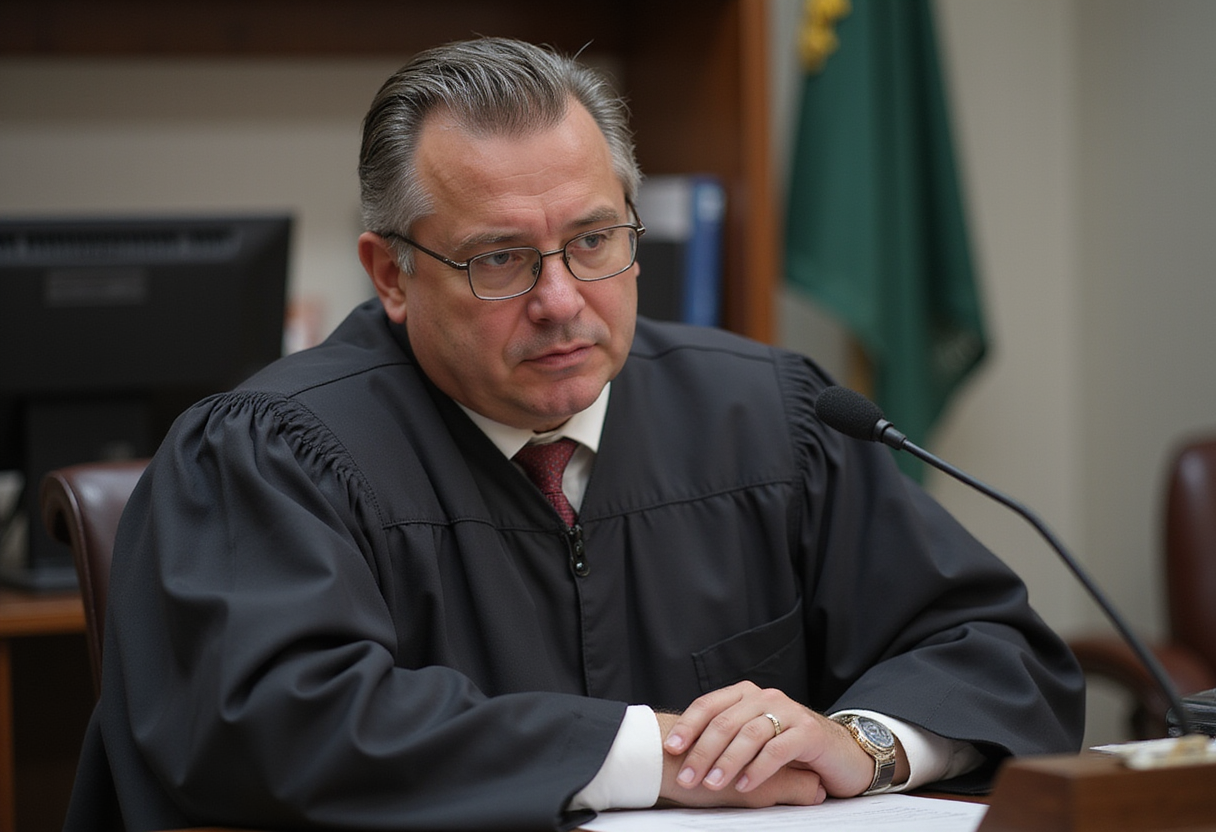
Judge Edward Davila ordered OpenAI to hand over hiring records to Apple within five days, approving LINE messages and three depositions while denying broader R&D access for now.
- By
- Sophie Lindqvist
- Filed
- Channel
- Tech Business
- Read
- 3 min read
OpenAI must surrender hiring records to Apple within five days under a ruling by U.S. District Judge Edward Davila. The order, issued in the trade secrets lawsuit Apple filed in July, gives the ChatGPT maker 14 more days for any remaining materials tied to Apple's request. The court agreed with Apple that these documents demanded speed.
The materials cover OpenAI interviews with former Apple employees who applied to its consumer hardware and robotics groups. Allowed documents include interview checklists, guides, instructions, manuals, and scripts. Apple may also see technical presentations and records showing interview discussions referenced Apple technology or components.
What did the judge approve and deny?
Davila did not grant everything Apple wanted. He approved access to the interview materials and to private LINE messages between individuals named in the case. Those individuals include OpenAI employees Chang Liu and Alyssa Peng. He also approved depositions for Liu, Peng, and OpenAI's chief hardware officer, Tang Yew Tan. All three once worked at Apple.
The denials matter as much as the approvals. Davila rejected Apple's bid for expedited access to OpenAI research and development in specific areas, such as metal finishes and power management. He also denied broader discovery requests covering OpenAI's hardware research and information on what the former Apple employees built at OpenAI.
The denial is not final. The judge left the door open for Apple to narrow its requests and try again. Apple has an incentive to do exactly that.
What does Apple allege happened?
Apple accuses OpenAI of a pattern of theft. The complaint cites direct reports of former employees using Apple laptops to download confidential material. Those files allegedly held information on unannounced technologies, features, and products, including technical specifications, engineering presentations, and proprietary project data.
Apple also claims former Apple employees at OpenAI coached others considering the jump on what information to bring to their interviews. That allegation explains why the interview records carry such weight. If coaching scripts or checklists surface in those documents, Apple's pattern claim gains hard evidence rather than assertion.
OpenAI has not publicly detailed its defense in response to these specific claims. The court filings so far show a dispute over evidence speed, not yet over the merits.
Why does hardware hiring matter here?
The case arrives as OpenAI develops a consumer hardware device ahead of its rumored first hardware launch. That device could one day rival the iPhone, or smartphones generally, if AI hardware becomes central to how consumers use software and services. That conditional carries the whole commercial weight of the dispute; nothing is confirmed about the product itself.
The hiring records bridge the two companies' futures. OpenAI's consumer hardware and robotics groups recruited from Apple. Apple claims those recruits carried secrets with them. The interview documents will show what OpenAI asked candidates and whether Apple technology entered those conversations.
Three depositions will follow. Liu, Peng, and Tan face questioning under oath, and all three share an Apple past. Their testimony could either corroborate Apple's narrative or expose gaps in it.
What comes next?
Apple must now narrow its denied requests or accept slower discovery on OpenAI's hardware research. The judge's split decision suggests the court wants targeted evidence, not a sweep through a rival's entire R&D archive. Expect Apple to return with narrower asks on metal finishes, power management, and hardware research.
The five-day clock on collected materials starts the evidence flow. Depositions of three former Apple engineers at OpenAI, including its chief hardware officer, will test whether Apple's theft claims survive contact with sworn testimony.
Original: storage.courtlistener.com
More from Sophie Lindqvist
Show full bio
News editor covering money, funding and market shifts around Semiconductors, chip manufacturing, hardware, AI compute at Chip Dispatch.
417 articles
Related articles
florida-ag-seeks-court-order-blocking-openai-from-training-new-models-45083cd3
Florida AG Seeks Court Order Blocking OpenAI From Training New Models
singapore-tech-firms-chase-revenue-and-reroute-supply-chains-b7f56800
Singapore Tech Firms Chase Revenue — and Reroute Supply Chains
sk-hynix-and-softbank-slide-as-asia-chip-stocks-track-wall-street-sell-off-0cba98a5
SK Hynix and SoftBank Slide as Asia Chip Stocks Track Wall Street Sell-Off
innometry-to-detail-battery-and-semiconductor-plans-in-seoul-4a6106ae
Innometry to Detail Battery and Semiconductor Plans in Seoul