Consumer Tech · 4 min read
Kagi launches paid Gmail rival with 50GB mail and calendar in beta
Kagi launches Kagi Mail, a $9-per-month Gmail rival in public beta with 50GB storage, a calendar and off-by-default AI. Native apps and contacts arrive in 2027.
Key takeaways
- Kagi Mail costs $9 per month or $99 per year, or comes bundled in the $25-per-month Kagi Ultimate plan
- The service offers 50GB of storage, unlimited aliases and domains, and Sieve-based filtering in public beta
- Native Android and iOS apps are planned for Q4 2027; a contacts address book is due Q1 2027
- AI features including agent-based mail search and bulk re-labeling ship off by default
- A 60-day trial is currently available for new subscribers
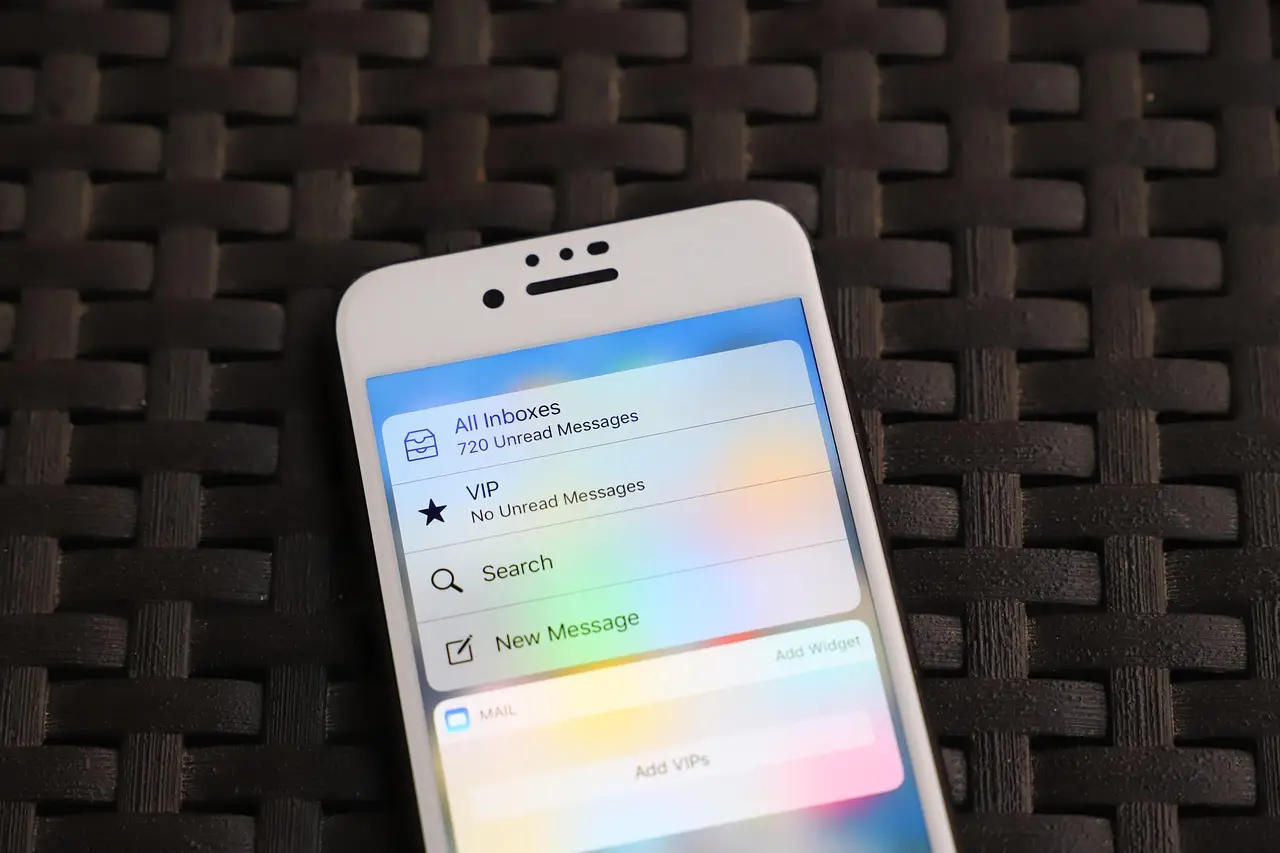
Kagi is charging $9 per month, or $99 per year, for its new Gmail rival, Kagi Mail, a paid e-mail service that entered public beta this week alongside a web-based calendar. The Palo Alto, California company, best known for its $5-per-month subscription search engine, is betting users will pay for an inbox that carries no advertising and harvests no personal data.
The price deserves scrutiny. Gmail has been free, capacious and dominant for nearly two decades. Kagi's own blog concedes the obvious objection, noting that paying for e-mail "seems ridiculous" to most people when Gmail has historically been such a strong product. The company's answer rests on privacy, personal data sovereignty, customization and control — the same four claims it makes for its search product. Claims of that kind are easy to make and hard to verify independently. No third-party audit of the mail service appears in the announcement.
What does the $9 actually buy?
The confirmed feature set, per Kagi's public beta and its blog post, includes:
- 50GB of storage per account
- unlimited aliases and unlimited custom domains
- rule-based filtering using the Sieve scripting language
- an MCP server, aimed at tool integration
- a private, ad-free interface with heavy keyboard-command emphasis
- an anti-lock-in policy for exporting user data
Several AI features ship as options and stay off by default. Users can chat with an agent to search e-mail history, run large-scale re-labeling of messages, or define additional filtering rules. The off-by-default posture is a deliberate signal to privacy-conscious buyers, though it does nothing for users who simply want AI out of the product entirely — the features exist and can be switched on.
The interface is deliberately minimalist. Kagi emphasizes keyboard commands over menus, following a power-user design philosophy closer to Gmail's keyboard shortcuts than to a mainstream consumer mail client.
What is missing on day one?
The gaps are concrete and dated. There are no native apps: Android and iOS clients arrive in the fourth quarter of 2027, per the company roadmap. That is a long wait for a service competing against pre-installed mail clients on every phone sold.
More critically, Kagi Mail has no contacts address book at launch. An address book is table stakes for an e-mail product in 2026. Kagi schedules it for the first quarter of 2027. Until then, anyone migrating from Gmail manages addresses manually or keeps a parallel system running. A roadmap is not a shipment, and two calendar quarters of lead time on a basic feature invites skepticism about the rest of the plan.
Both the mail and calendar interfaces are web-only today. The calendar, launched alongside the mail product, carries the same web-only limitation.
How does pricing sit in the Kagi stack?
Kagi Mail is not bundled with the company's entry tiers. The $5-per-month basic plan excludes it, as does the $10-per-month unlimited search plan. Buyers have two routes:
- Kagi Ultimate at $25 per month, which includes Kagi Mail plus access to frontier AI models
- a standalone Kagi Mail subscription at $9 per month or $99 per year
A 60-day trial is available now, which is generous by subscription standards and long enough to test the migration path in practice. The Ultimate bundle is the notable commercial move here: it ties mail, search and AI models into a single $25 product, the company's clearest attempt yet to become a subscription ecosystem rather than a single clever utility.
Is the business case credible?
The structural question is scale. Kagi is a small company taking on a free incumbent with billions of users, and e-mail infrastructure is unforgiving: deliverability, spam filtering and reliability are operational burdens that compound with user count. Fifty gigabytes per paying user, unlimited aliases and unlimited domains all carry real infrastructure costs that a $9 subscriber base must cover.
The company has one demonstrated strength. It has already persuaded a paying audience to fund a search engine against Google, the same incumbent it now challenges in mail. That precedent is real but small in absolute terms, and mail is a stickier product than search: switching costs are higher, history matters more, and old addresses die slowly.
The 2027 roadmap items will decide the verdict. If native apps and the contacts address book arrive on schedule, Kagi Mail becomes a defensible niche product for privacy-paying users; if they slip, the $9 subscription buys a web-only beta in a market where the free alternative ships on every device.
arstechnica.com (Source)
More from Sophie Lindqvist
Show full bio
News editor covering money, funding and market shifts around Semiconductors, chip manufacturing, hardware, AI compute at Chip Dispatch.
1,323 articles