Science & TechnologyLOT 261122 · 3 min read
Knoxville deploys 12 Skydio docks for 90-second 911 drone response
Knoxville police will launch semi-autonomous drones from 12 Skydio docks within seconds of a 911 call, covering nearly the whole city in 90 seconds, with footage purged after 15 days.
Key takeaways
- 12 Skydio docks across Knoxville will dispatch drones within seconds of a 911 call.
- Drones are expected to reach nearly any area of the city in 90 seconds or less.
- Recorded footage is purged after 15 days unless kept as evidence.
- The drones carry no facial recognition or license plate reader technology.
- Several other cities were reported testing Flock's DFR system last month.
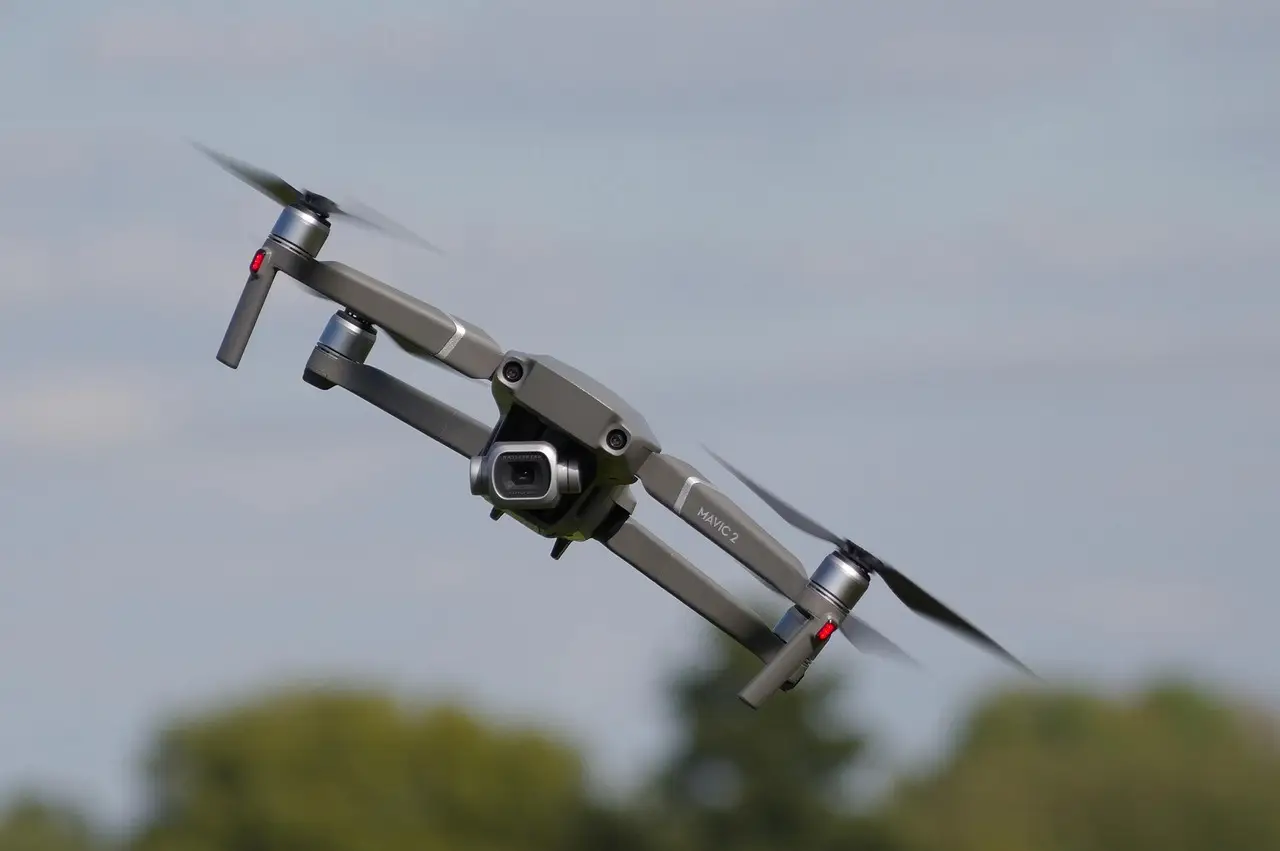
Twelve Skydio drone docks will put a semi-autonomous aircraft over nearly any point in Knoxville within 90 seconds of a 911 call. That is the core commitment of the Knoxville Police Department's new "Drone as First Responder" program, announced on the department's website, and it is a number that would have sounded fanciful for a mid-sized American city only a few years ago.
The docks sit at city-owned facilities across Knoxville. Once a dispatcher takes a call, a drone can leave its dock within seconds, and the department expects the aircraft will sometimes beat the officer it is meant to accompany to the scene. The arithmetic is straightforward: a drone does not sit in traffic. An officer arriving second still arrives better informed, with real-time aerial coverage of what the department calls "rapidly evolving events."
Which drones, and on which calls?
The police department has not confirmed the specific drone model. What is confirmed is the launch infrastructure: Skydio docks, mounted at facilities the city already owns. Skydio has made first-responder work a central business line, and Knoxville now joins a growing list of municipal customers.
The drones will not fly to every call. The department says aircraft will be dispatched only when aerial coverage would genuinely help the response, whether by protecting the officers attending or the public they are attending to. A fender bender with no dispute likely stays earthbound.
What happens to the video?
Privacy is the obvious question, and the department has answered it in advance, at least on paper. Department policy and state law, it says, prohibit random patrols and surveillance. The drones carry no facial recognition and no license plate readers. Any recorded footage is purged after 15 days, unless it is retained as evidence in an ongoing criminal investigation or prosecution.
Fifteen days is a retention window worth watching. It is short by the standards of traditional body-camera programs, and the purge rule gives the program a concrete, auditable limit rather than a promise. Whether practice matches policy will be the local story over the next year.
Is Knoxville an outlier?
It is not. Several cities were reported last month to be experimenting with Flock Safety's own DFR system, and vendors have advertised Starlink-connected first responder drones for some time. The category is consolidating: docks, autonomous launch, and a dispatch integration that turns a 911 call into a flight plan with minimal human steps in between.
Knoxville's contribution is scale and specificity. Twelve docks covering "nearly any area of the city" in 90 seconds is a stated, measurable service level, not a pilot with three aircraft and a press release. The department frames the goal as reduced risk to both community and officers, with the drones supplying situational awareness before anyone in a uniform steps out of a car.
The commercial signal for the supply side is equally plain. Every city that signs a DFR contract buys docks, aircraft, and a video retention pipeline at once, and the list of buyers is lengthening. If Knoxville's 90-second figure holds in practice, expect neighboring departments to cite it in their next budget request.
Tom's Hardware (Source)
More from Nathan Brooks
Show full bio
Senior reporter covering people, launches and day-to-day practice in Semiconductors, chip manufacturing, hardware, AI compute at Chip Dispatch.
1,201 articles