Semiconductors · 4 min read
Kospi Drops 3.31% While Taiex Gains 2.16% as Asia Reopens After AI Rout
The Kospi fell 3.31% to 4,708.54 with Samsung and SK Hynix leading losses, while Taiwan's Taiex gained 2.16% on day one of tighter short-selling rules.
Key takeaways
- Kospi closed down 3.31% at 4,708.54 on Monday after an intraday low of 4,586.80; a sell-side sidecar halted program trading at 11:33 a.m.
- Taiex closed up 2.16% at 36,811.89; TSMC rose 1.5% to NT$2,030 on the first day of tighter short-selling rules.
- Samsung Electronics fell 3.06% to 177,500 won; SK Hynix fell 2.52% to 1,085,000 won.
- Korea will lift the daily share buyback cap for three months from Tuesday; the finance minister said the stabilization fund is ready, with no deployment announced.
- South Korean exports in the first 20 days of November more than doubled to $77.4 billion, with chip exports at $38.5 billion, nearly quadrupling year on year.
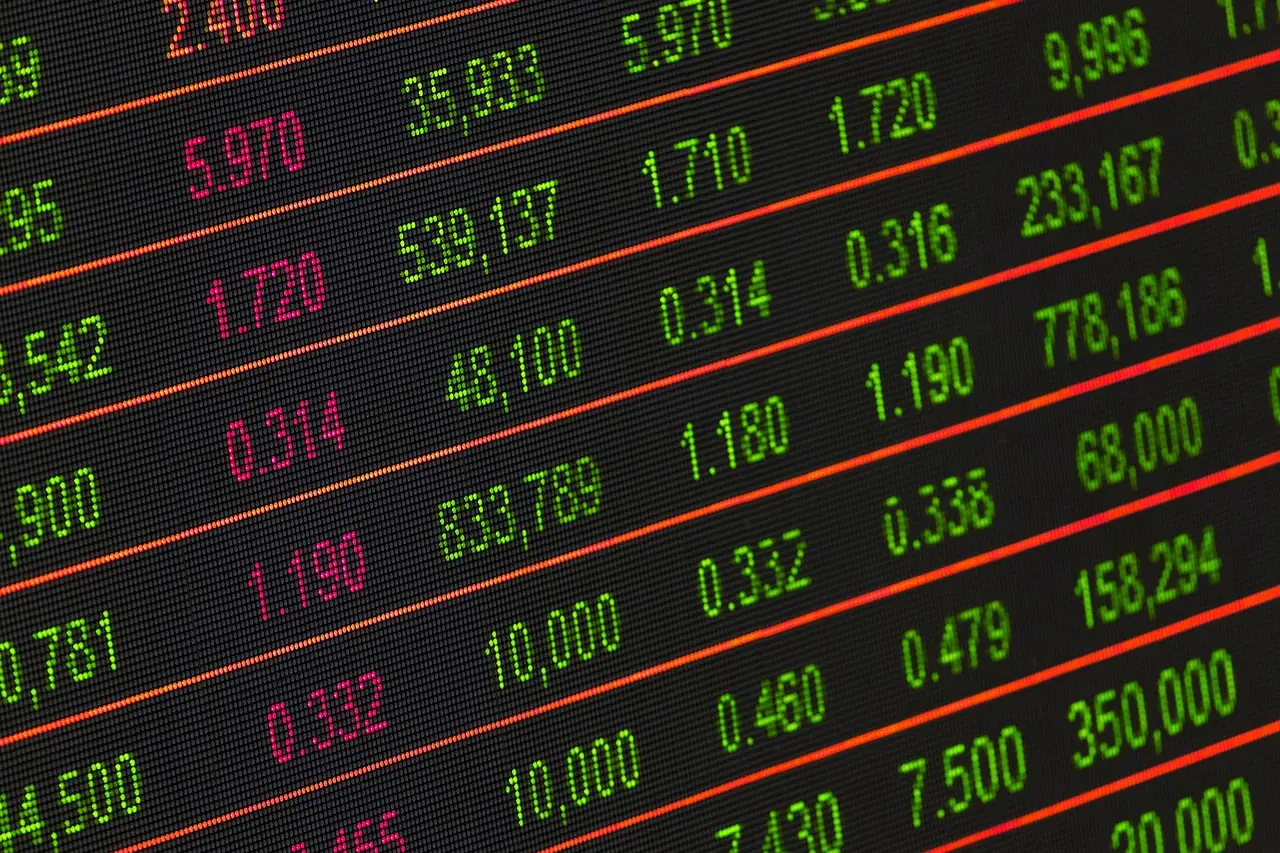
The Kospi closed down 3.31% at 4,708.54 on Monday while Taiwan's Taiex rose 2.16% to 36,811.89, as Asian markets split sharply on reopening after last week's AI-led sell-off. Seoul's decline deepened enough to trigger an automatic halt in program selling, and the two Korean memory makers led the losses.
What does the split say about the AI trade?
The divergence is not subtle. Samsung Electronics closed down 3.06% at 177,500 won and SK Hynix fell 2.52% to 1,085,000 won in Seoul, according to Naver Finance data. TSMC, the Taiex's largest weight, rose 1.5% to NT$2,030 on the same day Taipei's tighter short-selling rules took effect. Same industry, same week, opposite outcomes.
The Kospi opened at 4,734.90, rose briefly to 4,759.88, then fell as low as 4,586.80 — roughly 5.8% below Friday's close of 4,869.96 — before recovering part of the loss into the close. Turnover on the main board reached about 15.3 trillion won. The Kosdaq fell 1.58% to 635.45. The won traded at 1,346.5 per dollar in late-morning trade.
At 11:33 a.m., the Korea Exchange activated a sell-side sidecar, suspending program trading in Kospi-listed shares for five minutes when Kospi 200 futures fall 5% or more for at least one minute. The mechanism exists for mornings like this one, and Monday qualified.
How did Taipei manage a rally?
The Taiex opened at 35,899.48, below Friday's close of 36,033.29, dropped as low as 35,442.41, then climbed as high as 37,108.20 before settling at 36,811.89, according to Taiwan Stock Exchange data. Monday was the first session under Taiwan's tightened rules, which raise short-selling margin requirements and halt new put warrant listings.
Neither the exchange nor the Financial Supervisory Commission had published figures on short-selling volume under the new rules at writing. One day is a small sample, but the direction of travel suited TSMC holders.
What did Seoul do, and what did it hold back?
The Financial Services Commission said it would fully lift the daily limit on companies buying back their own shares from Tuesday, for three months, to help calm volatility. Finance Minister Lee Hyoung-il said the government is reviewing steps to activate the stock market stabilization fund "in case market conditions warrant," with timing and size to be decided as the situation evolves. No deployment was announced. The fund was last used in 2008, when 515 billion won was put to work.
Does the export data undercut the panic?
South Korea reported that exports in the first 20 days of November more than doubled to $77.4 billion from $38.4 billion a year earlier, Korea Customs Service data showed. Chip exports reached $38.5 billion, nearly quadrupling, and made up 49.7% of all shipments. Imports rose 39.4% to $50.3 billion, leaving a $27.1 billion surplus. AI hardware demand is still flowing through Korean shipments even as investors question the valuations of the companies selling it. Investors and customs officers, it seems, read different newspapers.
Elsewhere in the region
Hong Kong's Hang Seng was down 0.29% at 22,344.94 and the Shanghai Composite fell 0.27% to 3,524.31 into the afternoon, while the Shenzhen Component gained 1.62% to 10,422.85. Australia's S&P/ASX 200 ended down 0.26% at 8,570.60. Japan was closed for a public holiday. Hong Kong and mainland Chinese levels were not final at writing.
US futures pointed to a rebound: at 1:39 a.m. ET, December S&P 500 futures were up 1.99% at 7,073, Nasdaq 100 futures up 2.78% at 25,826.25 and Dow futures up 1.38% at 48,881, according to CNBC data. Copper futures rose 0.78% to $5.528 a pound, and Brent crude slipped 0.18% to $92.40 a barrel.
The near-term picture turns on whether the Seoul policy toolkit — the buyback cap lift now, the stabilization fund if warranted — can hold the line through the week, and whether Taipei's short-sale curb keeps doing the work that its chip champion's balance sheet no longer needs to pretend to do.
mlq.ai (Source)
More from Nathan Brooks
Show full bio
Senior reporter covering people, launches and day-to-day practice in Semiconductors, chip manufacturing, hardware, AI compute at Chip Dispatch.
1,212 articles