AI & ComputeLOT 261122 · 3 min read
Lenders Bet $43 Billion That SpaceX's Nvidia GPUs Stay on the Ground
Musk's $43B 'Project Saturn' lease finances Nvidia GPUs with the chips as collateral. Lenders fear an orbital data center could put them beyond creditors' reach if SpaceX defaults.
Key takeaways
- SpaceX is borrowing $43 billion via 'Project Saturn' to acquire Nvidia AI chips, using the GPUs as collateral.
- The deal is a five-year triple-net, hell-or-high-water finance lease; SpaceX pays quarterly and bears all operating risk.
- Musk has revealed the AI1 satellite with a 120-kilowatt payload, larger in span than a Boeing 747.
- A $24 billion gas-powered AI supercomputer is planned for Starbase, Texas, alongside Colossus 1 and 2 sites.
- Moody's says the chips will sit in U.S. data centers, but it's unclear if the Earth-only guarantee is in the signed debt instrument.
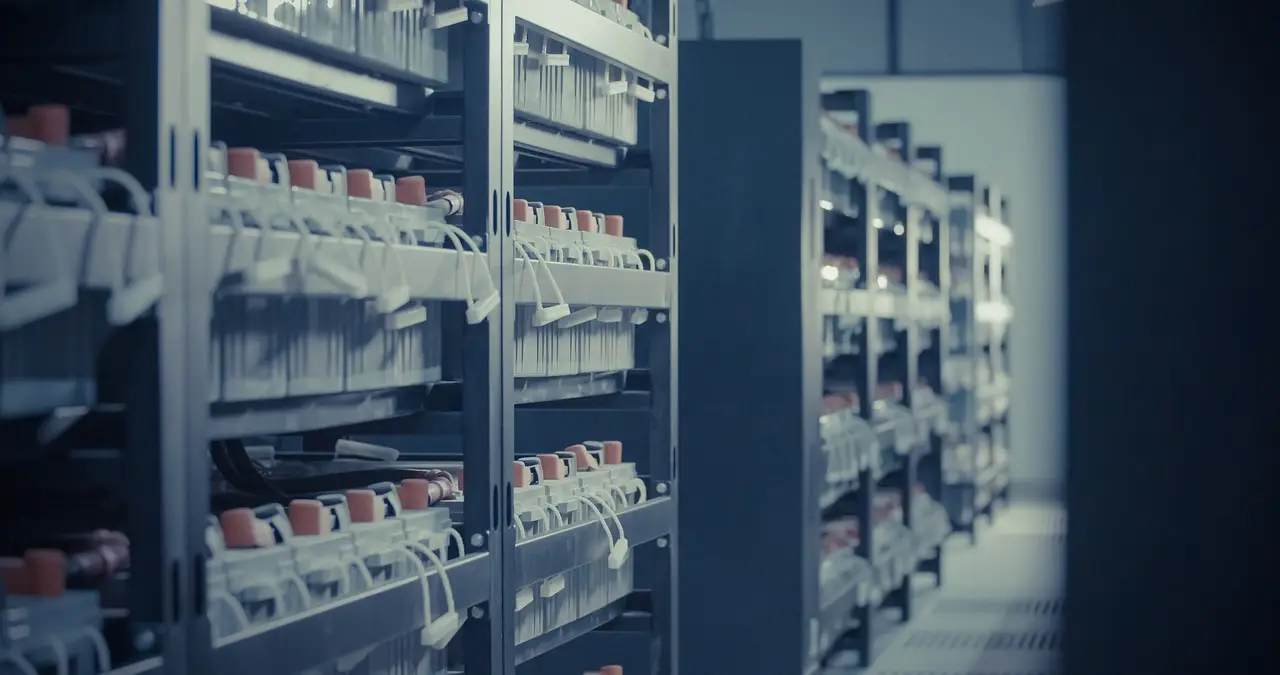
Elon Musk is borrowing $43 billion to buy Nvidia AI chips for SpaceX, and the lenders financing the deal have an unusual worry: the collateral might end up in orbit, where no repo man can reach it.
The financing, code-named Project Saturn, would fund SpaceX's acquisition of Nvidia GPUs for its data center buildout, with the semiconductors themselves serving as collateral. But as Ars Technica reports, creditors are uneasy about SpaceX's plan to launch data centers into space. If the company defaults and the chips are circling the planet, reclaiming them becomes difficult — if not impossible.
What did SpaceX promise?
SpaceX has told lenders it will deploy the collateralized chips only on Earth. What remains unclear is whether that Earth-only provision actually made it into the signed debt instrument. A promise in a pitch deck is one thing; a clause in a binding agreement is another. That gap is what has some creditors nervous, regardless of the company's stated intentions.
The concern isn't hypothetical. SpaceX is actively building compute infrastructure on two fronts — terrestrially and in orbit:
- Musk has revealed the company's first-generation AI1 satellite, carrying a 120-kilowatt payload and spanning wider than a Boeing 747.
- He plans a $24 billion gas-powered AI supercomputer in Starbase, Texas.
- The Colossus 1 and Colossus 2 sites near the Tennessee-Mississippi border add further capacity.
Moody's, for its part, noted in its report that the chips will be deployed in SpaceX's U.S. data centers. The rating agency's language did not fully calm the lenders' nerves about the orbital ambitions.
How is a $43 billion chip deal structured like an aircraft lease?
The Project Saturn loan deliberately avoids the shape of a typical loan. Structuring it conventionally would affect Musk's investment-grade rating. Instead, the deal mimics aircraft leasing: a leasing company buys the jets and leases them to the airline, sparing the carrier a massive cash outlay.
Here, the Saturn Funding Trust — a fully owned subsidiary of asset-backed lending company WHCO — will acquire the Nvidia GPUs on SpaceX's behalf. SpaceX then pays the trust quarterly for the privilege of using the chips.
The contract is a "five-year triple-net, hell-or-high-water finance lease arrangement." Translation: SpaceX must keep paying for five years whether the chips break, become obsolete, or the project turns unprofitable. The company also covers every operating expense. Those terms are unusually lender-friendly — SpaceX absorbs essentially all the risk while keeping the arrangement off its books.
Why is Musk borrowing at all?
Musk is one of the richest people on Earth, yet he's leaning on structured finance to get the chips he needs. The goal, in his own framing, is an AI large language model that will "assist in the pursuit of understanding." The GPU bill for that ambition evidently outruns even his balance sheet.
For Nvidia, the deal represents another multibillion-dollar commitment to a single customer's AI buildout. For lenders, it represents a new class of collateral — silicon that can, in principle, be launched beyond the reach of any court's jurisdiction.
The open question is contractual, not technical. Until lenders confirm the Earth-only guarantee sits in the signed instrument rather than in assurances, every quarterly payment SpaceX makes under the five-year lease will rest partly on faith that the collateral stays terrestrial.
Tom's Hardware (Source)
More from Rebecca Stone
Show full bio
Correspondent covering technology and product news in Semiconductors, chip manufacturing, hardware, AI compute at Chip Dispatch.
1,245 articles