Memory & StorageLOT 261122 · 4 min read
Micron Falls 32% in a Month as UBS Questions $5 Trillion AI Bet
Micron stock has dropped 32% in a month to $605.35 after UBS warned that AI infrastructure needs $1.5 trillion in revenue by 2030 to justify the investment boom.
Key takeaways
- Micron stock fell 32% in a month to $605.35, from $896.07 on October 20, after peaking at $1,254.61 over 52 weeks.
- UBS estimates U.S. AI infrastructure investment could reach $5 trillion by end of 2028 and says AI revenue needs $1.5 trillion by 2030 for adequate returns.
- Micron's Q4 FY2026 revenue was $54.23 billion, up 379.3% year over year, with an 87% adjusted gross margin.
- Micron guides for Q1 FY2027 revenue of $61.5 billion, plus or minus $1.5 billion, and adjusted EPS of $38.15, plus or minus $1.
- Western Digital fell 28% to $260.65 and Seagate fell 32% to $459.47 over the same month.
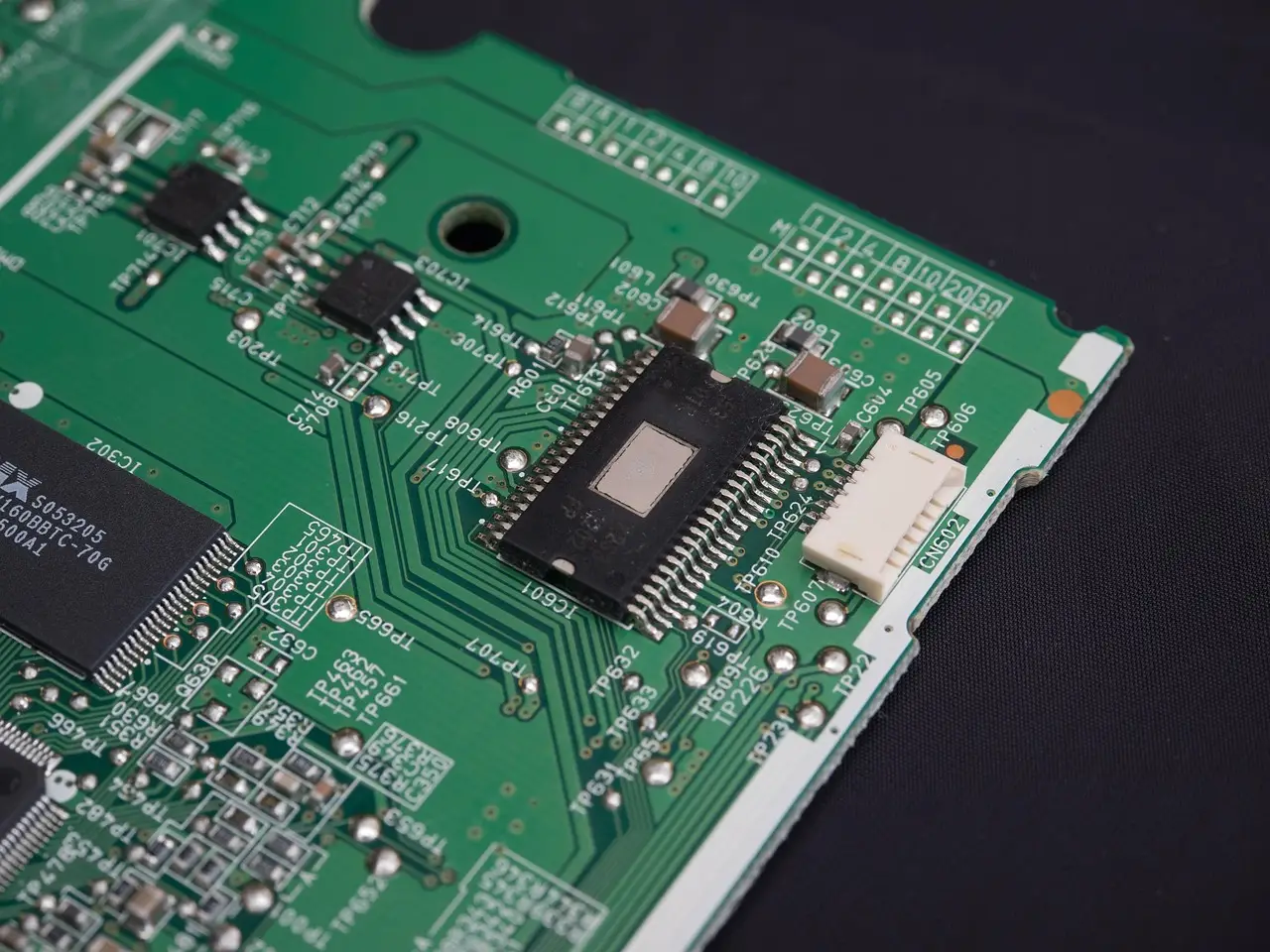
Micron Technology stock has fallen 32% in a month, closing a run that started at $896.07 on October 20 and left the shares at $605.35 in Wednesday afternoon trading on Nasdaq. The decline includes a 12% drop from the previous close, yet the stock still trades well above where it began a year in which it hit a 52-week high of $1,254.61.
The selloff is not confined to one company. It reflects a broader turn against AI infrastructure stocks, and it has dragged the whole storage complex down with it. The question now is whether Micron's record results can carry the shares back above $1,000.
What did UBS say about AI spending?
In a note dated November 20, UBS asked whether AI spending can earn its keep. The bank estimated that cumulative U.S. tech investment in AI infrastructure could reach $5 trillion by the end of 2028. By its calculation, AI model and application revenues likely need to reach at least $1.5 trillion by 2030 to deliver an adequate return.
The bank wrote that recent selling followed persistent pressure on chipmakers and cloud companies, and that "risk-reward in equities had become more balanced." One line in the note lands close to home for Micron: UBS stated it is "cautious on leveraged capacity providers, lower-quality suppliers, and companies whose valuations depend on persistent bottlenecks or distant cash flows."
That warning matters because Micron's own numbers fit the description of a beneficiary of a bottleneck. Its adjusted gross margin reached 87% in Q4 FY2026, a level built on tight memory supply and rising prices. The takeaway is simple: the same scarcity that drove record margins is now the thing investors doubt.
What does Micron's management claim about supply?
On its Q4 call, management pushed the tight-supply story hard. President and Chief Operating Officer Manish Bhatia said: "We made the statement that we really don't have line of sight to when supply and demand balance."
Industry trackers have turned more conservative on memory pricing in recent days, and that puts the assumption under pressure. Most of Micron's fiscal 2027 shipments are already committed, according to management, with customer allocation talks reaching into 2028.
Interest rates add another layer of pressure. UBS expects 25 basis point Federal Reserve rate hikes in December and March 2027, a call that followed Fed minutes showing nearly all policymakers expected further tightening. UBS does not anticipate a prolonged tightening cycle. Higher rates raise the discount on the distant cash flows that support valuations like Micron's.
How far have Western Digital and Seagate fallen?
The storage sector is falling as a group. Western Digital is down 28% over the past month to $260.65, a slide that includes a 12% drop from its previous close, even after Q1 FY2027 revenue grew 55.5% year over year to $4.38 billion.
Seagate Technology is down 32% over the past month to $459.47, also including a 12% drop from its previous close. Its guidance still calls for Q2 FY2027 revenue of $4.8 billion, plus or minus $100 million.
Product mix separates Micron from both peers. Micron makes DRAM, NAND flash and high-bandwidth memory that sit directly alongside AI processors. Western Digital, after spinning off its flash business, is a pure-play hard disk drive company, while Seagate builds drives around its heat-assisted magnetic recording Mozaic platform.
What would it take to reach $1,000 again?
The road back likely requires firm memory pricing, strong guidance at the next report, and evidence that AI spending keeps growing. The bar is already high. Micron's latest guidance calls for Q1 FY2027 revenue of $61.5 billion, plus or minus $1.5 billion, and adjusted earnings per share of $38.15, plus or minus $1. That outlook followed Q4 revenue of $54.23 billion, up 379.3% year over year.
UBS struck a constructive note alongside its caution. The bank wrote: "We do not think that the economic expansion, corporate earnings cycle, or structural AI investment story has broken." Wall Street's consensus price target of $1,561.91 serves as the bull-case marker.
The bulls can point to committed shipments, long-term customer agreements and a supply picture management calls tight through 2028. The bears have UBS's warning about valuations built on persistent bottlenecks, which becomes sharper if memory pricing moderates. The next test is whether Micron's next outlook confirms that pricing is holding up.
247wallst.com (Source)
More from Tom Whitfield
Show full bio
Staff writer covering companies, deals and strategy in Semiconductors, chip manufacturing, hardware, AI compute at Chip Dispatch.
1,200 articles