Memory & Storage · 3 min read
Micron Stages Sharp Bounce Off $548 Low, But Daily Trend Stays Broken
Micron bounced off a $548 three-month low on November 25, but one analyst says the daily trend stays broken until the stock reclaims $654, with the NVIDIA-Kioxia SSD demo as the long-term catalyst.
Key takeaways
- Micron hit a three-month low of $548 on November 25 before rebounding.
- Long entry requires a daily close above $654, with volume above 30 million shares; confirmation comes above $672.
- Short scenario resumes on a daily close below $585, with downside targets at $548 and $513.
- NVIDIA and Kioxia demonstrated AI SSD memory expansion on November 25.
- Risk per counter-trend trade capped at 0.5–0.75% of account equity.
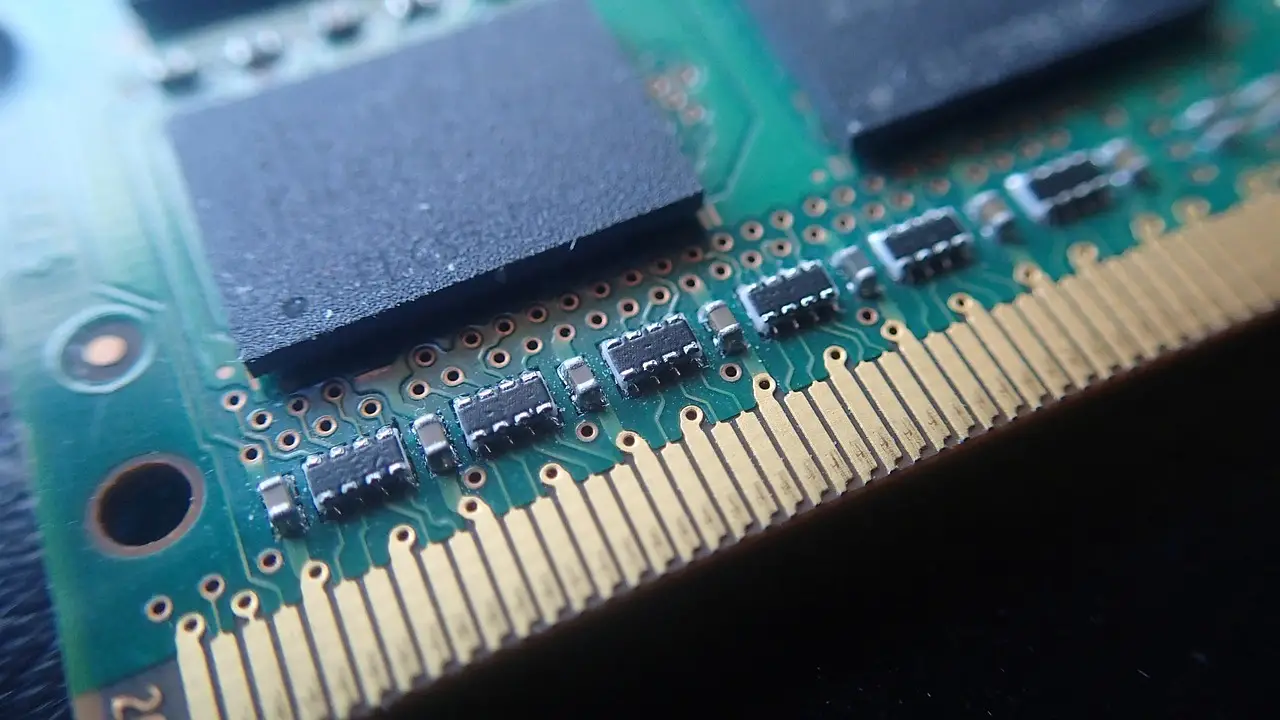
Micron shares have rebounded from a three-month low of $548, hit on November 25, yet the stock's daily chart structure remains broken and one technical analyst is refusing to treat the bounce as a trend reversal. TradingView analyst LostPigeon, who published the analysis, argues the rebound has returned buyers to the memory sector but that confirmation must come before a position does.
The distinction matters for semiconductor traders now weighing a memory sector that has drawn fresh interest from AI infrastructure spending. "There is an important distinction between a technical rebound and a genuine trend reversal," the analyst wrote. "For now, MU's daily structure remains broken, and I would rather wait for confirmation than chase the recovery."
What sits behind the bounce?
A second November 25 development feeds the bullish case: NVIDIA and Kioxia demonstrated how high-performance SSDs could expand effective GPU memory capacity. The demonstration points at a shift in AI infrastructure buildouts, where memory capacity, data movement and storage performance matter as much as raw GPU counts.
The analyst sees a connection between Micron and Sandisk here. Micron carries exposure to DRAM, HBM and NAND, while Sandisk focuses more directly on NAND flash and SSD storage. Both companies could benefit from expanding AI infrastructure, though their demand drivers differ.
A demonstration, however, is not an order. The piece flags memory pricing, supply growth and actual adoption as the variables that will decide whether the technology translates into commercial revenue. Sandisk has shown stronger relative performance in the same window, which the analyst reads as renewed interest in AI-related memory and storage stocks.
What are the trade scenarios?
The analysis lays out two setups, neither yet actionable.
The long case requires a daily close above $654, ideally with volume above 30 million shares. A further break above $672 would add confirmation. The full structure looks like this:
- Entry trigger: daily close above $654
- Additional confirmation: break above $672
- Stop: $565
- Structural invalidation: daily close below $548
- First target: $738
- Second target: $780
Neither setup reaches the analyst's preferred minimum of a 2:1 reward-to-risk ratio, so a conventional position size on a breakout chase is off the table. A more attractive alternative would be a confirmed hold around $607–610, with a stop below $585, provided buyers defend that support.
The short case treats the existing downtrend as the base scenario. A daily close below $585 could resume the bearish structure, and a failed recovery into the $729–747 region would meet the broken $738 level and the 20-day exponential moving average as a resistance zone. Downside references sit at $548 first and $513 second. A tighter stop above $607 could improve the setup, but only after sellers prove they control the tape again.
The stated preference is blunt: no trade until one of these conditions becomes attractive.
How does the analyst manage risk?
Execution receives as much attention as direction. Spreads can widen during sharp moves, and thin order-book depth can increase slippage, which matters most when opening or closing larger positions.
The preferred approach splits orders, uses limit entries around predefined levels, and checks available liquidity before adding exposure. Risk per trade stays at 0.5–0.75% of account equity for a counter-trend setup. "There is no reason to increase position size simply because the potential upside looks attractive," the analyst wrote.
What comes next?
The decisive signal is whether Micron reclaims $654 and then $672, or whether sellers push the price below $585. The analyst will also track Sandisk's relative strength: if Sandisk keeps outperforming while Micron fails to recover its broken resistance levels, the rebound is not broad enough to confirm a sector-wide turn.
The piece closes on a note that separates the long-term story from the short-term chart. "A good company does not automatically make a good entry," the analyst wrote. "Sometimes the best trade is the one you choose not to take." The next test of that discipline arrives the moment Micron touches either side of its $585–$654 decision range.
tradingview.com (Source)
More from Tom Whitfield
Show full bio
Staff writer covering companies, deals and strategy in Semiconductors, chip manufacturing, hardware, AI compute at Chip Dispatch.
1,335 articles