Startups & Funding · 3 min read
Myriota raises A$60M first close for IoT satellite expansion
Myriota's A$60 million first close, led by Main Sequence and the National Reconstruction Fund, lifts total funding past A$160 million and funds satellite launches booked through 2028.
Key takeaways
- Myriota raised A$60 million (about US$40 million) in the first close of its Series C, announced Nov. 24.
- Total funding now exceeds A$160 million (US$107.5 million); full Series C close expected in early 2027.
- The company launched 16 satellites in 2026 and has launches booked for 2027 and 2028.
- Main Sequence Ventures and the National Reconstruction Fund Corporation led; Hostplus participated and Funds SA is new.
- Myriota serves 57 markets and competes with Iridium, Orbcomm and Viasat.
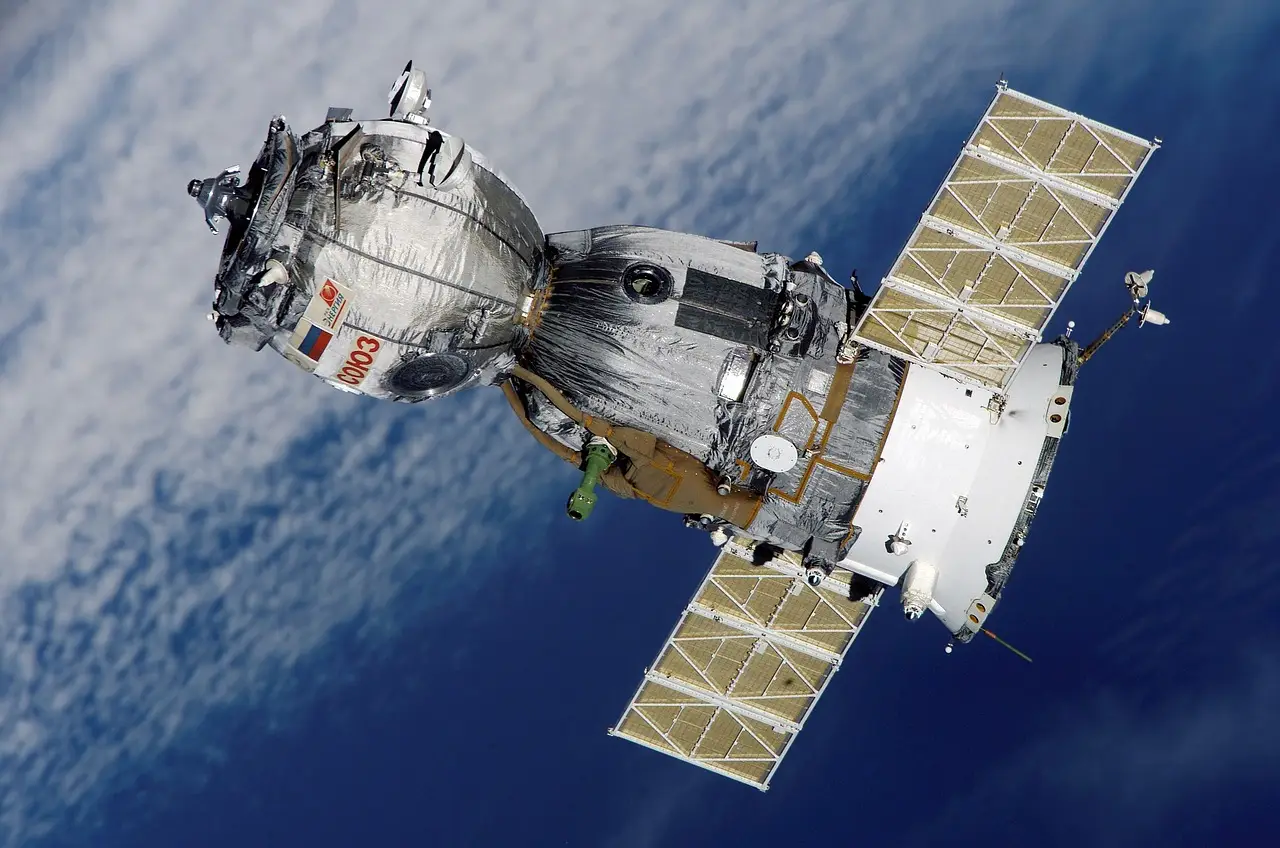
Myriota has raised A$60 million, about US$40 million, in the first close of its Series C round, pushing its total funding past A$160 million (US$107.5 million) as it scales a satellite network that serves industrial sensors and trackers across 57 markets.
The Australian company announced the close on Tuesday, Nov. 24. Main Sequence Ventures and the National Reconstruction Fund Corporation led the round, existing investor Hostplus participated, and Funds SA, the South Australian investment body, joined as a new backer. Myriota said the first close arrived ahead of schedule and expects the full round to close in early 2027.
Where the money goes
Myriota plans to fund three things with the capital: development and launch of next-generation satellites, expansion of its space infrastructure, and entry into new industrial markets and countries. The company launched 16 satellites in 2026 and already holds booked launch slots for 2027 and 2028, so the investment extends a build-out already in motion rather than starting one.
The company has operated its constellation since 2015, which gives the expansion a long baseline of flight heritage.
What Myriota actually sells
The business is narrow and concrete. Myriota sells connectivity for industrial hardware that sits far from terrestrial networks. According to SiliconANGLE, customers use the service to track mining equipment and trailers, and to monitor fuel tanks, livestock water supplies and off-grid solar installations. The company says fuel monitoring deployments are growing in North America and Latin America, with EMEA and Asia Pacific next on the map.
Two recent products frame the direction. HyperPulse is a 5G non-terrestrial and terrestrial network service, which ties satellite links into the same connectivity story as ground networks. AssetHawk is a rugged, long-life asset tracker aimed at the same industrial base.
That base is contested. SiliconANGLE reports that Myriota competes with Iridium, Orbcomm and Viasat — three established names in satellite messaging and machine-to-machine connectivity. Myriota's differentiator is cost and battery life for low-data-rate sensors, though the company itself did not claim specifics on pricing in the announcement.
What the investors said
Two quotes carry the strategic framing. CEO Ben Cade positioned the raise against a wider shift: "We're at the beginning of a fundamental shift in industrial IoT."
David Gall, CEO of the National Reconstruction Fund Corporation, framed the sovereign angle: he said Myriota could grow into "a global, space-based Australian telecommunications company." That wording matters for context. The National Reconstruction Fund exists to build domestic industrial capacity, so its participation signals a policy interest in Australian-owned space infrastructure, not purely a commercial bet.
Why the stakes reach beyond one company
Satellite connectivity for low-power industrial devices is a market where hardware cost, device battery life and constellation coverage decide the winner. Myriota's 16 satellites launched in 2026, plus its booked slots for 2027 and 2028, give it a concrete capacity path. Its stated total of more than A$160 million raised since inception shows the scale of capital required to sustain that path.
The competitive picture remains demanding. Iridium, Orbcomm and Viasat hold installed customer bases and larger constellations, so Myriota's push into EMEA and Asia Pacific after North America and Latin America will test whether its model travels beyond its current 57 markets.
The full Series C, expected to close in early 2027, will show whether investors judge the 2027 and 2028 launch schedule sufficient to take share from incumbents.
mlq.ai (Source)
More from Tom Whitfield
Show full bio
Staff writer covering companies, deals and strategy in Semiconductors, chip manufacturing, hardware, AI compute at Chip Dispatch.
1,274 articles