Tech Business · 3 min read
Nanox flags going-concern doubt as cash falls to $26.6 million
Nanox ended September with $26.6 million in cash, down from $60 million at year-end, and said the balance cannot fund a year of operations under current plans.
Key takeaways
- Cash and restricted deposits fell to $26.6 million at Sept. 30 from $60.0 million at Dec. 31.
- Q3 revenue rose 29% to $4.4 million; net loss narrowed to $12.3 million from $13.7 million.
- Nanox sold 725,600 shares to Yorkville at about $0.3132 each for gross proceeds of $227,276.
- Nasdaq gave Nanox until March 29, 2027 to restore a $1.00 minimum bid price.
- A $40.7 million intangible-asset impairment drove a nine-month gross loss of $47.4 million.
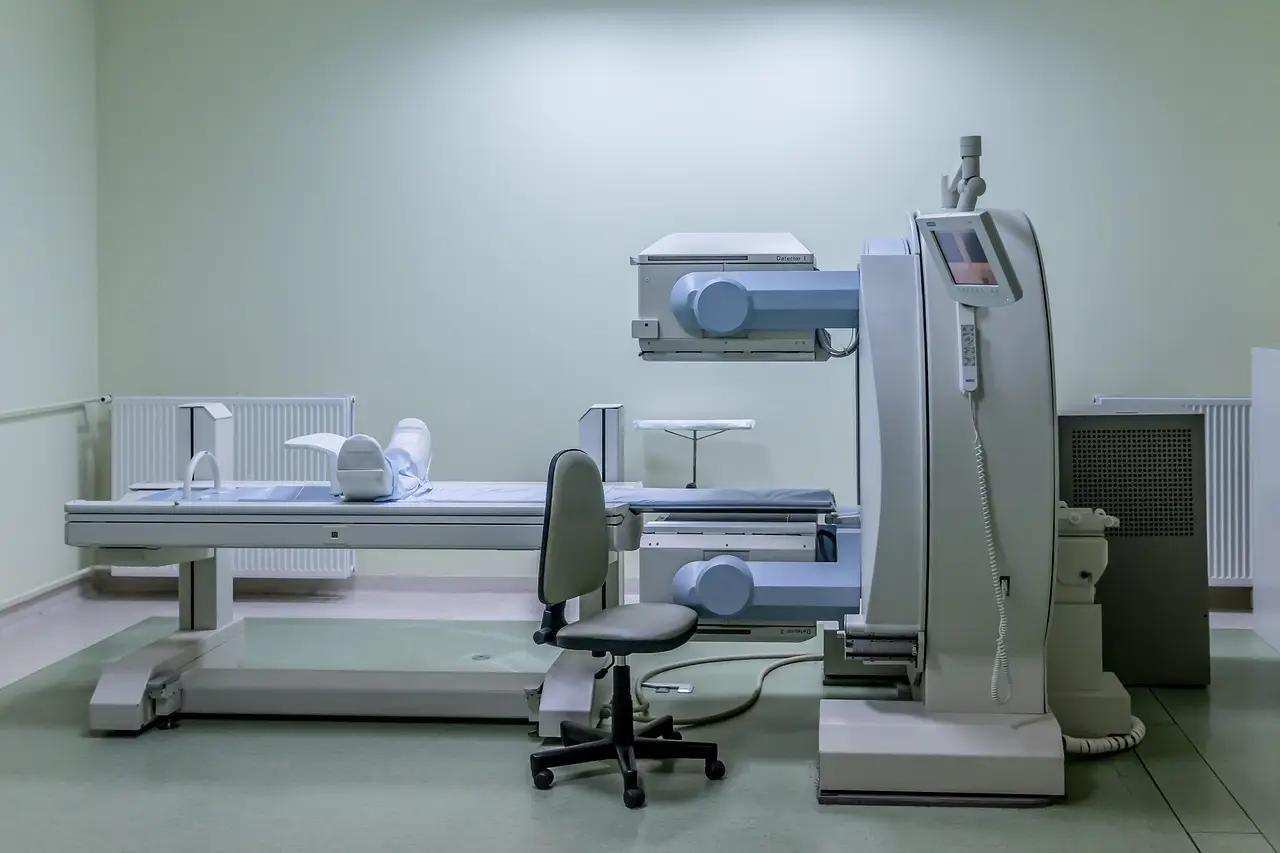
Nano-X Imaging ended September with $26.6 million in cash, cash equivalents and restricted deposits, down from $60.0 million at Dec. 31, and said the balance is insufficient to fund operations for at least a year under current plans. The company, which reports as Nanox, disclosed the shortfall on Wednesday, Nov. 25, alongside third-quarter results and a formal warning of substantial doubt about its ability to continue as a going concern.
What did Q3 deliver?
Revenue rose 29% year on year to $4.4 million. The acquired Nanox Health IT business, formerly Vaso Healthcare IT and consolidated from Nov. 19, 2025, contributed $0.9 million of that. Teleradiology services brought in $3.2 million, AI and software $0.9 million, and imaging systems and OEM services $0.3 million.
The net loss narrowed to $12.3 million, or 16 cents a share, from $13.7 million, or 21 cents, a year earlier. Adjusted EBITDA loss was $10.1 million against $10.2 million. GAAP operating expenses fell to $11.0 million from $11.4 million.
How deep are the nine-month losses?
The nine-month figures show the scale of the cash burn. Net cash used in operating activities reached $39.8 million. Revenue for the first nine months was $12.9 million, against $3.4 million in the year-ago quarter for Q3 alone.
- Gross loss: $47.4 million for nine months, versus $2.9 million in Q3 alone.
- Operating loss: $82.1 million for nine months, versus $14.2 million in Q3.
- Net loss: $82.0 million for nine months, versus $12.3 million in Q3.
The nine-month gross loss includes a $40.7 million intangible-asset impairment, according to the company's Q3 release.
How is Nanox raising money?
On Nov. 12 Nanox signed two standby equity purchase agreements with YA II PN, a fund managed by Yorkville Advisors. The deals allow it to sell up to $10 million of shares under its existing shelf registration and up to $40 million in private placements over 24 months.
It paid a $500,000 commitment fee in 1,221,598 shares. On Nov. 18 it sold 725,600 shares at a weighted average of about $0.3132 each, for gross proceeds of $227,276. Nanox stressed that the $50 million total is a contractual maximum, not cash received, and that further sales under the facility may dilute existing shareholders.
What happens to the Nasdaq listing?
Nasdaq notified Nanox on Sept. 28 that its shares trade below the $1.00 minimum bid price. The exchange gave the company until March 29, 2027 to regain compliance.
A special meeting on Nov. 25 to approve a reverse stock split framework of 1-for-20 to 1-for-50 failed to reach a quorum. The vote now moves to a reconvened meeting on Dec. 2.
Who is running the company?
Einav Eliraz, formerly global CFO of RAVAL ACS, becomes chief financial officer on Dec. 1. A cost-reduction plan announced Nov. 9, which includes restructuring the company's South Korea operations, should be fully in place by the end of the first quarter of 2027.
A securities class action filed in June over company disclosures, including matters tied to its Korea manufacturing facility, remains at an early stage. An amended complaint is due Dec. 8.
The Dec. 2 reverse-split vote, the pace of Yorkville drawdowns, and the March 2027 Nasdaq deadline will determine whether Nanox can convert its modest revenue growth into a survivable balance sheet before the going-concern warning becomes a default scenario.
mlq.ai (Source)
More from Grace Kim
Show full bio
Market editor covering people, launches and day-to-day practice in Semiconductors, chip manufacturing, hardware, AI compute at Chip Dispatch.
1,307 articles