Semiconductors · 4 min read
Nasdaq 100 futures slide 3% as chip stocks, tariffs and hot PCE collide
Nasdaq 100 futures fell 3.06% to 25,472 as Nvidia dropped 6.2% and Micron 8.0% premarket, October PCE inflation rose to 3.8%, and the US proposed Section 301 tariffs on 14 partners.
Key takeaways
- Nasdaq 100 futures fell 3.06% to 25,472 at 8:40 a.m. ET on Nov. 25.
- Nvidia dropped 6.2% to $145.80 premarket; AMD fell 6.9% and Micron 8.0%.
- October PCE inflation rose to 3.8% from 3.6%; core PCE was 3.3%.
- The US proposed Section 301 tariffs on 14 partners, adding 20% on China atop 2018's 25%.
- Dell fell 6.9% despite a record $132.3 billion AI backlog; Ambarella plunged 30.8% on weak guidance.
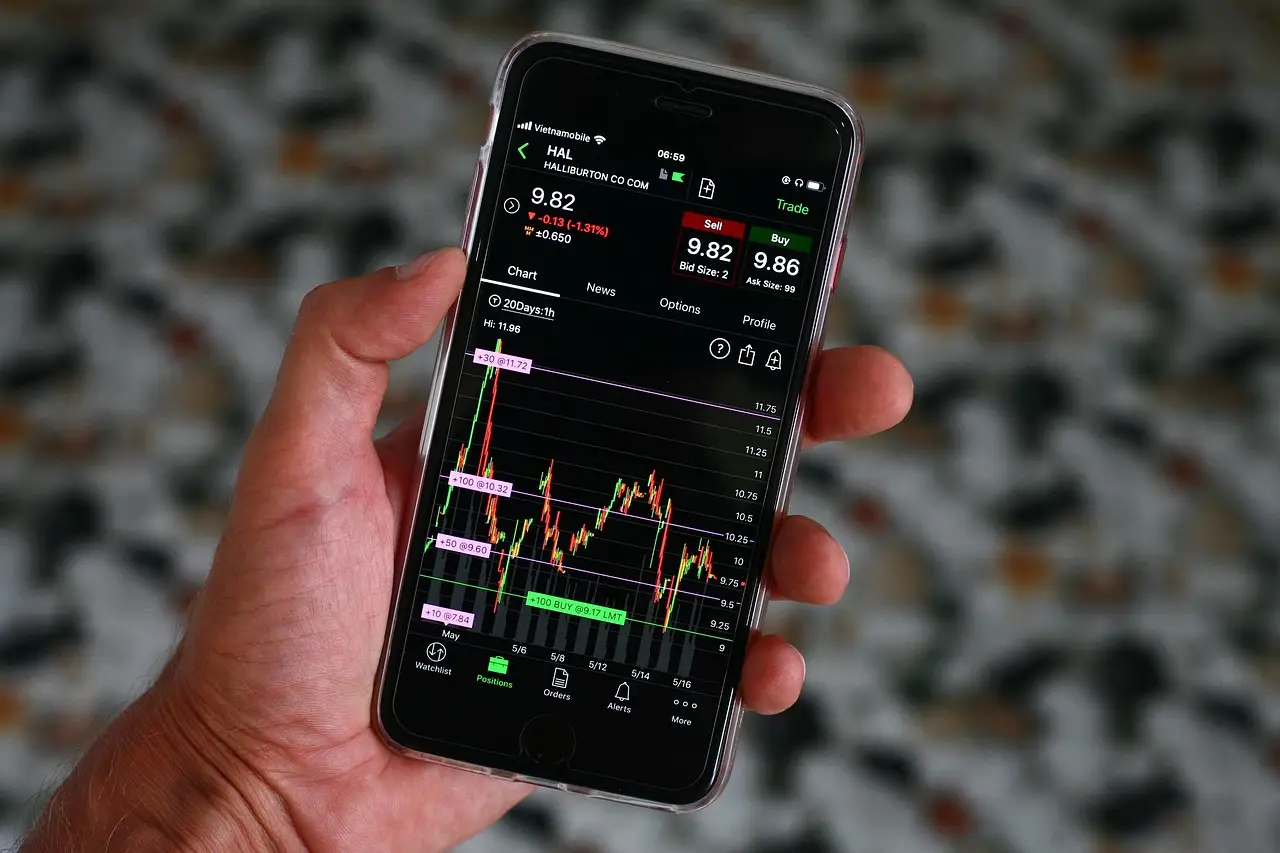
Nasdaq 100 futures fell 3.06% to 25,472 at 8:40 a.m. ET on Wednesday, Nov. 25, as the sell-off in AI and semiconductor stocks resumed and October inflation came in hotter than expected. S&P 500 futures dropped 2.03% to 7,071.25. Dow futures lost 654 points, or 1.31%, to 49,407, according to CNBC quote data.
The State Street Technology Select Sector ETF (XLK) traded more than 3% lower premarket, CNBC reported. Tuesday's session had already split the market: the Dow rose 0.9% while the Nasdaq Composite fell 1.5%, according to Investing.com.
How hard did the chip complex get hit?
Nvidia fell 6.2% to $145.80 in premarket trading at 8:50 a.m. ET, per CNBC quote data, surrendering more of the gain that followed Jensen Huang's reinstatement as CEO on Monday. AMD dropped 6.9%. Micron dropped 8.0% at the same time. CNBC also cited declines in Sandisk, Corning and Bloom Energy as the AI-exposed complex sold off.
Anthropic traded at $77.71 premarket, down 5.1%, after closing below its $83 IPO price for the first time on Tuesday. CNBC additionally reported premarket declines of about 6% in Oracle and about 4% in Alphabet. Every one of these moves is a premarket reading, not a close. Premarkets reprice fast when the opening bell brings full liquidity.
Which earnings stories moved?
Dell fell 6.9% to $274.97 at 8:50 a.m., even after raising its full-year outlook for the third time this year and reporting a record AI backlog of $132.3 billion. The backlog is confirmed company disclosure. The stock reaction is not, and Investing.com said margin concerns weighed on the shares. A record order book and a falling share price can coexist; margins decide which one investors believe.
Ambarella collapsed 30.8% to $30.77 after guiding fourth-quarter revenue to between $70 million and $75 million. Urban Outfitters dropped 11.6% after its 4.4% third-quarter retail comparable sales gain fell short of expectations, CNBC said. Workday declined 5.2% after free cash flow and fourth-quarter subscription revenue guidance came in below analyst estimates, per CNBC. Deere, reporting before the bell, fell 4.0% to $589.00 after forecasting fiscal 2027 net income of $4.50 billion to $5.25 billion.
What did the inflation data change?
The PCE price index rose 0.3% in October and 3.8% from a year earlier, up from 3.6% previously. Core PCE rose 3.3%, CNBC reported. The numbers matter because they reset rate expectations. After the release, CME FedWatch showed roughly a 97% probability of a quarter-point rate increase at the Fed's December meeting, and about 60% for another in January, according to Investing.com. Those probabilities are market-implied estimates, not Fed commitments.
The Bureau of Economic Analysis also revised third-quarter GDP growth up to a 4.3% annual rate. Faster growth plus rising inflation is the combination that pressures the Fed toward tightening, and that compression in financial conditions feeds directly into how investors value semiconductor equities.
What did Washington propose?
Before the open, the US Trade Representative proposed new Section 301 tariffs on 14 trading partners, including China, the European Union and Japan, over what it calls structural excess capacity. China would face an extra 20% on top of the 25% imposed in 2018. A proposed tariff is a proposal. It requires process and time before any duty takes effect, and the market is pricing the threat, not yet the cost.
Where did bonds, currencies and overseas markets land?
Treasury yields fell. The 10-year yield stood at 4.84%, down 6.2 basis points, and the 2-year at 4.606%, down 6.5 basis points, at about 8:50 a.m. ET, per CNBC quote data. The dollar index rose 0.13% to 103.949. Bitcoin fell 2.45% to $58,139.58.
In Asia, South Korea's Kospi closed down 6.16% at 4,697.51, and Japan's Nikkei 225 fell 2.78% to 57,011.62, CNBC reported. The STOXX 600 was up about 0.3% in early European trading. The Kospi's 6.16% drop hits Samsung and SK Hynix-linked suppliers directly, which is worth watching for any follow-through in US memory names.
US stock markets close for Thanksgiving on Thursday, Nov. 26, and NYSE markets close early at 1 p.m. ET on Friday, Nov. 27. The shortened week means two thin sessions for volatility to work through a hot inflation print and a fresh tariff proposal, and semiconductor investors should expect repricing to continue once full liquidity returns.
mlq.ai (Source)
More from Sophie Lindqvist
Show full bio
News editor covering money, funding and market shifts around Semiconductors, chip manufacturing, hardware, AI compute at Chip Dispatch.
1,308 articles