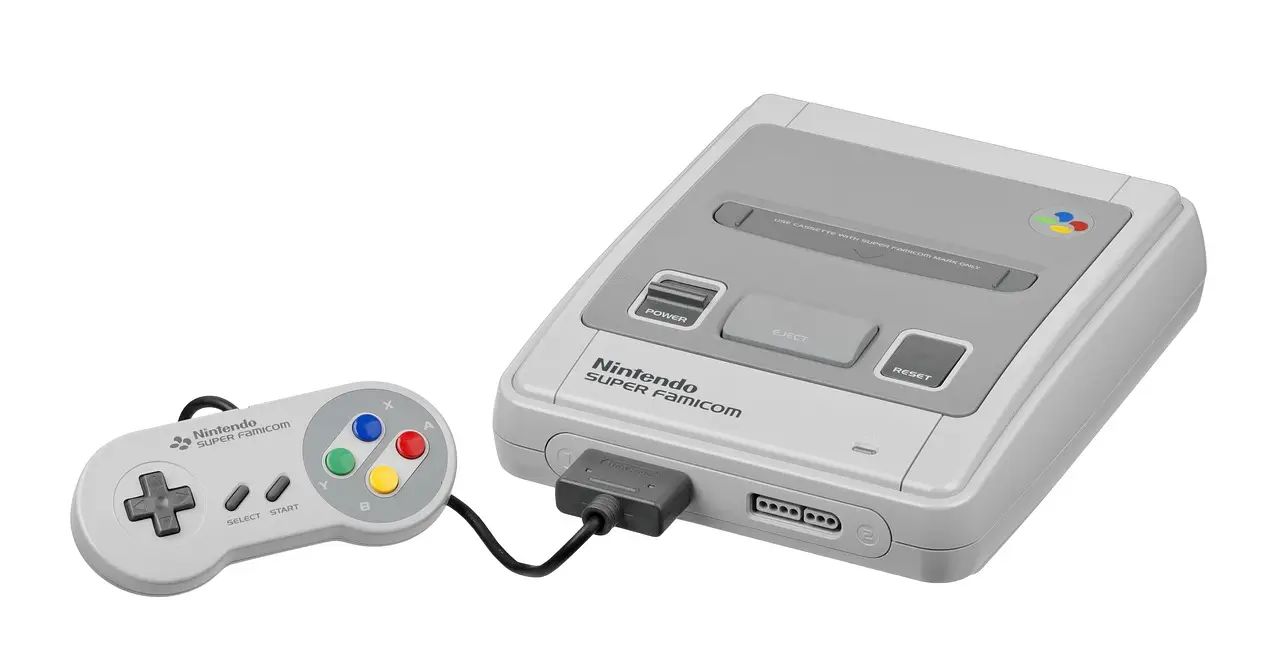
Nintendo Takes Down 144 GitHub Repositories Hosting Switch Modchip Firmware
Nintendo's DMCA notice removed 144 GitHub repositories carrying SX Core, SX Lite, Picofly and HWFLY firmware, cutting off updates for installed modchips and citing Team-Xecuter convictions.
- By
- Tom Whitfield
- Filed
- Channel
- Consumer Tech
- Read
- 3 min read
Nintendo of America has removed 144 GitHub repositories in a single DMCA takedown, targeting the open-source firmware that powers Switch modchips including SX Core, SX Lite, Picofly and HWFLY. GitHub posted the takedown request earlier this week, confirming that the entire repository network, including the parent repository, went offline.
What did the takedown target?
The sweep hits the code layer of the Switch modification scene, not the hardware itself. Early Switch consoles shipped with an unpatchable hardware exploit in recovery mode, but later units such as the Switch Lite and Switch OLED closed that hole, and the modchip approach does not work on the Switch 2 at all.
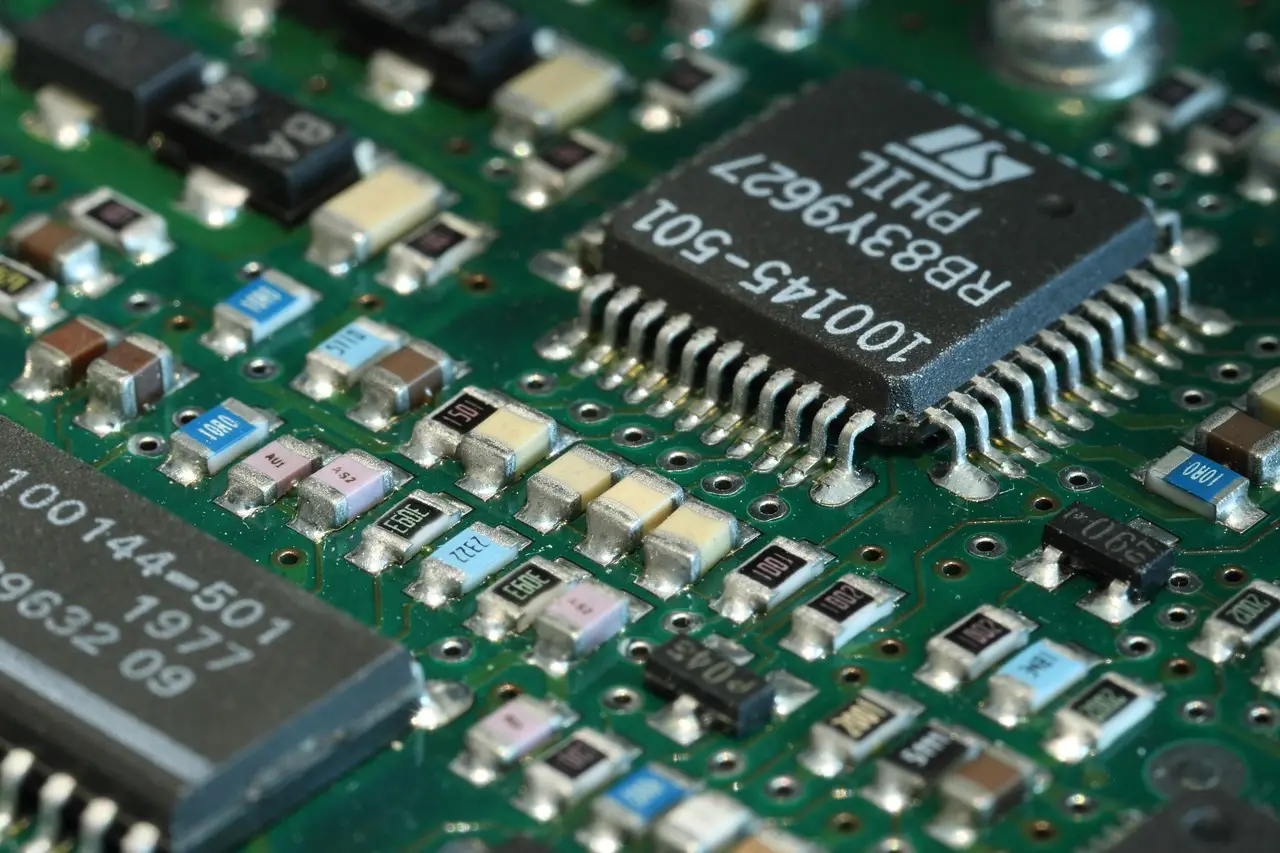
Running custom software on a patched console therefore requires soldering a microcontroller to the motherboard. The chip itself is only half the equation. It needs firmware that performs voltage glitching during boot to break the console's security sequence, and that firmware is what Nintendo has now stripped from GitHub.
Nintendo's notice stated the mechanism plainly. "The reported repositories offer, link to, or otherwise provide access to mod chip firmware including but not limited to SX Core, SX Lite, Picofly, or HWFLY," the DMCA request reads. "The firmware allows Nintendo Switch modchips to illegally circumvent Nintendo's TPMs in order to run illegal copies of Nintendo Switch games."
What legal argument is Nintendo making?
Nintendo argues that distributing the firmware amounts to unlawful trafficking. Because the repositories were designed "primarily" to circumvent technological protection measures, Nintendo claims they constitute trafficking in technology "primarily designed or produced for the purpose of circumventing a technological measure that effectively controls access" to copyrighted works.
The company anchored this argument in a criminal case. Nintendo cited US Department of Justice proceedings against Team-Xecuter, the maker and seller of the SX Pro, SX Core and SX Lite modchips. That precedent gives the civil takedown a criminal backbone, which strengthens future enforcement against similar projects.
The enforcement logic is clear: rather than chase vendors of generic off-the-shelf microcontrollers, Nintendo removed the software that makes those chips useful.
Who is affected?
The takedown changes little for consoles already modified. Existing Switch owners with a modchip installed keep working hardware, because much of the firmware is already in the wild.
The damage lands on maintenance and new installations. The takedown blocks firmware updates for existing modchips and prevents flashing and reflashing, which orphans installed hardware over time. It also removes the easiest path for anyone planning to modify a Switch the same way in the future.
Worth noting: the firmware supports more than piracy. Modders use it for homebrew applications, emulation, alternative operating systems, game modding, custom themes and overclocking. Nintendo chose to frame the tools solely around bypassing DRM and accessing pirated games.
Does this close the door on Switch piracy?
Not really. The action removes distribution points, not the underlying capability, and the broader picture is moving faster than takedown notices can follow. Nintendo's Zelda remake appeared online the same day it launched on Switch 2, and in July one developer recompiled Mario Kart Wii for PC in 4K with more than 200 tracks. Earlier this year, another developer used AI to bring the original Nintendo 64 Zelda to iOS.
Those cases involve different legal territory than modchip firmware, but they show the scale of the problem Nintendo faces as AI-assisted porting and recompilation tools spread. The company has shown it will use every instrument available, from criminal referrals to mass repository takedowns, and the next enforcement target is more likely to be AI-driven porting projects than another batch of boot glitchers.
Source: Tom's Hardware
More from Tom Whitfield
Show full bio
Staff writer covering companies, deals and strategy in Semiconductors, chip manufacturing, hardware, AI compute at Chip Dispatch.
853 articles
Related articles
researcher-claims-partial-switch-2-jailbreak-via-smilebasic-flaw
Researcher Claims Partial Switch 2 Jailbreak Via SmileBasic Flaw
switch-2-sales-fall-41-as-price-hikes-bite-into-nintendo-s-year
Switch 2 Sales Fall 41% as Price Hikes Bite Into Nintendo's Year
atari-vcs-software-store-shuts-down-1f1d6b88
Atari VCS Software Store Shuts Down on February 1, 2027