Nvidia at $160.56 as Rental Loophole Keeps AI Chips Flowing to China
Nvidia trades at $160.56, down 29.1% in a month, as legal compute rentals in Malaysia keep its AI chips within reach of Chinese labs. Huawei cannot fill the gap until 2030.
- By
- Sophie Lindqvist
- Filed
- Channel
- Chips & Policy
- Read
- 4 min read
Nvidia shares traded at $160.56 Thursday morning, down 7.6% on the day and 29.1% over the past month, while the export controls meant to wall off its AI chips from China leak through a rental market in Southeast Asia that remains fully legal.
The numbers on the ground explain why the policy debate matters. Nvidia's Data Center revenue reached $89.02 billion in Q2 fiscal 2027, up 117% year over year, according to the company's earnings release. CFO Colette Kress said on the August 26 call that Hopper shipments to China-based customers made up "less than 1% of our total data center revenue." The company guided third-quarter revenue to $108 billion, plus or minus 2%, excluding any Data Center compute revenue from China.
What can Chinese AI firms still legally rent?
Bloomberg's Odd Lots podcast walked through a concrete case. A company builds data centers in Malaysia and leases the capacity to DeepSeek and other leading Chinese AI companies. The episode stated plainly: "there is nothing per se illegal about that arrangement."
The show went further. "There are no restrictions on selling chips into Southeast Asia to be used to train the most advanced open source models from China," it said. "There's actually nothing illegal about it."
Remote rentals are, in the show's words, "extraordinarily common across the Southeast Asian data center ecosystem." U.S. scrutiny of the Megaspeed case centered on a narrower allegation: "the suspicion that the company has not just rented compute to Chinese offtakers, but actually diverted the physical hardware" into mainland China. Renting the compute is one thing. Moving the silicon across the border is another.
The Biden administration tried to close this gap with the AI Diffusion rule, which was set to take effect in May 2025. The Trump administration is not applying it. That single enforcement decision defines the current market.
Why demand flows to Johor instead of Shenzhen
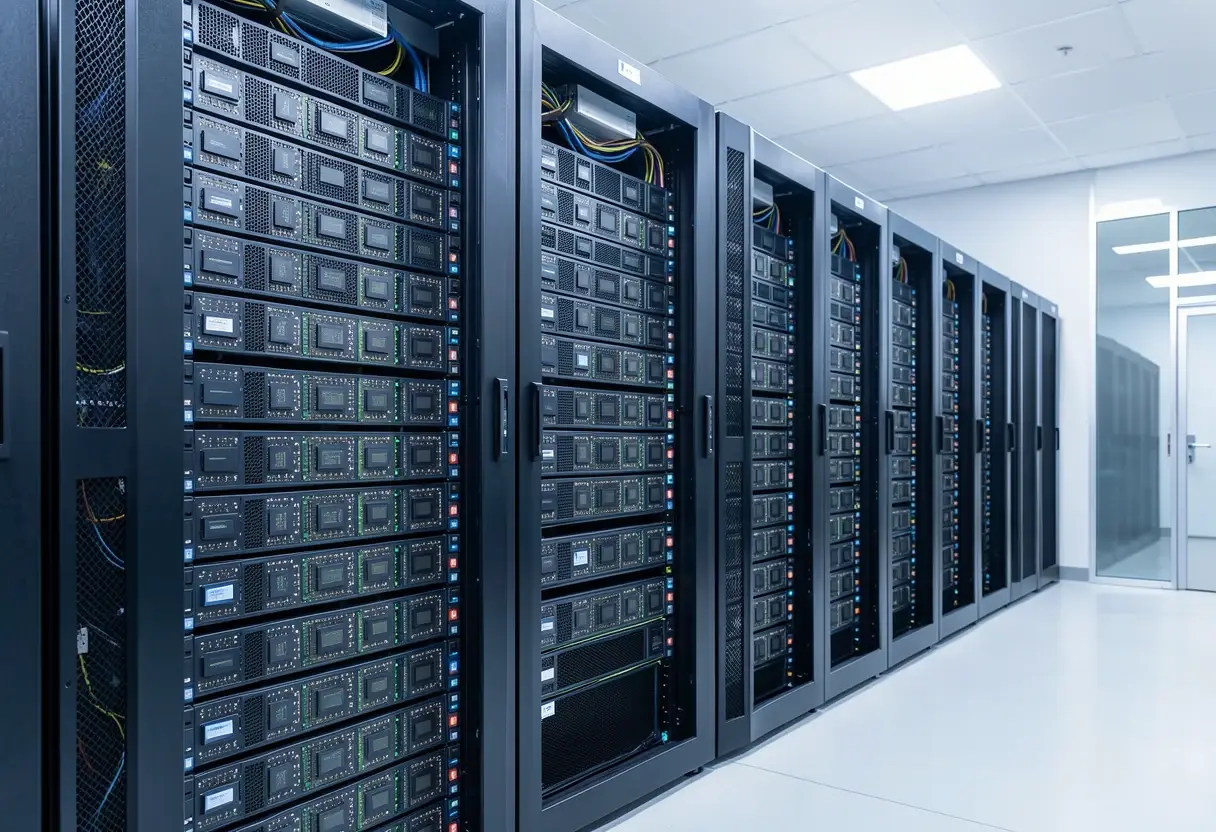
"Offtake" means committed buyers who agree ahead of time to purchase a data center's capacity. Nvidia chips are, per Odd Lots, "filling all these data centers in Southeast Asia that in many cases wouldn't exist if not for the offtake demand from Chinese companies." The show called Johor, Malaysia, in some ways "the backbone of Chinese compute."
Domestic Chinese supply cannot yet replace that capacity. Bloomberg reported, via the podcast, that Huawei's production capacity of its best AI chips runs "in the low hundreds of thousands." Huawei senior executives reportedly said it will take until 2030 to satiate domestic demand. That shortfall keeps Malaysian rental capacity commercially critical for Chinese AI labs, and keeps Nvidia hardware in demand one hop outside the controlled border.
What do Nvidia's own filings reveal?
Nvidia is building a distributed rental model of its own. Kress described a revenue-sharing setup with regional NeoClouds in which "we get paid twice: once on the hardware sale and again through the share of rental revenue." YTL AI Cloud in Malaysia is one named partner.
Jensen Huang, CEO at the time of the call, said the platform "is fungible and durable and can be redeployed to support other customers." Nothing on the call showed Nvidia equipment being leased into China. But regional ownership and third-party operation make it harder to verify who ultimately uses the chips. That opacity is the structural weakness in the entire control regime.
Who is sounding the alarm?
Former Cisco Systems chief executive John Chambers, speaking on CNBC's Fast Money on November 11, did not mince words on U.S.-China technology ties. "The capability we give them and the trust factor is broken," he said. He added: "But when the current leadership came in, I pulled out of China."
Chambers called for a selective approach. For very advanced technologies important to defense, "we have to be very selective," he said, and he would err on the conservative side. His caveat is worth noting: such controls depend on trust. Washington must trust that chips sold to allies stay put, and that cloud operators renting them out know their customers. The Johor rental market tests both assumptions daily.
What happens next?
Two signals will decide the commercial picture. First, any Washington move to close the remote-access loophole, either by reviving something like the AI Diffusion rule or by adding licensing requirements for overseas cloud operators, would change who can lease Nvidia compute in Southeast Asia.
Second, disclosure will matter. Kress said sovereign AI revenue, mostly sold through regional NeoClouds, more than tripled year over year in Q2. Nvidia did not break that growth down by region. Any regional detail in upcoming filings or on the next earnings call would show how exposed that tripling is if the rules tighten. Until then, the rental channel stays open, the chips keep flowing, and the export regime keeps its leak.
Source: 247wallst.com
More from Sophie Lindqvist
Show full bio
News editor covering money, funding and market shifts around Semiconductors, chip manufacturing, hardware, AI compute at Chip Dispatch.
974 articles
Related articles
chinese-ai-firms-race-to-reserve-overseas-nvidia-capacity-before-us-rule
Chinese AI Firms Race to Reserve Overseas Nvidia Capacity Before US Rule
nvidia-supply-commitments-jump-to-279-billion-amid-governance-probe
Nvidia Supply Commitments Jump to $279 Billion Amid Governance Probe
hundreds-of-thousands-of-nvidia-ai-chips-smuggled-into-china-60b4909e
Hundreds of Thousands of Nvidia AI Chips Smuggled Into China
china-reportedly-mulls-allowing-nvidia-ai-chip-sales-to-bytedance-alibaba-4fd2374b
China Reportedly Mulls Allowing Nvidia AI Chip Sales to ByteDance, Alibaba