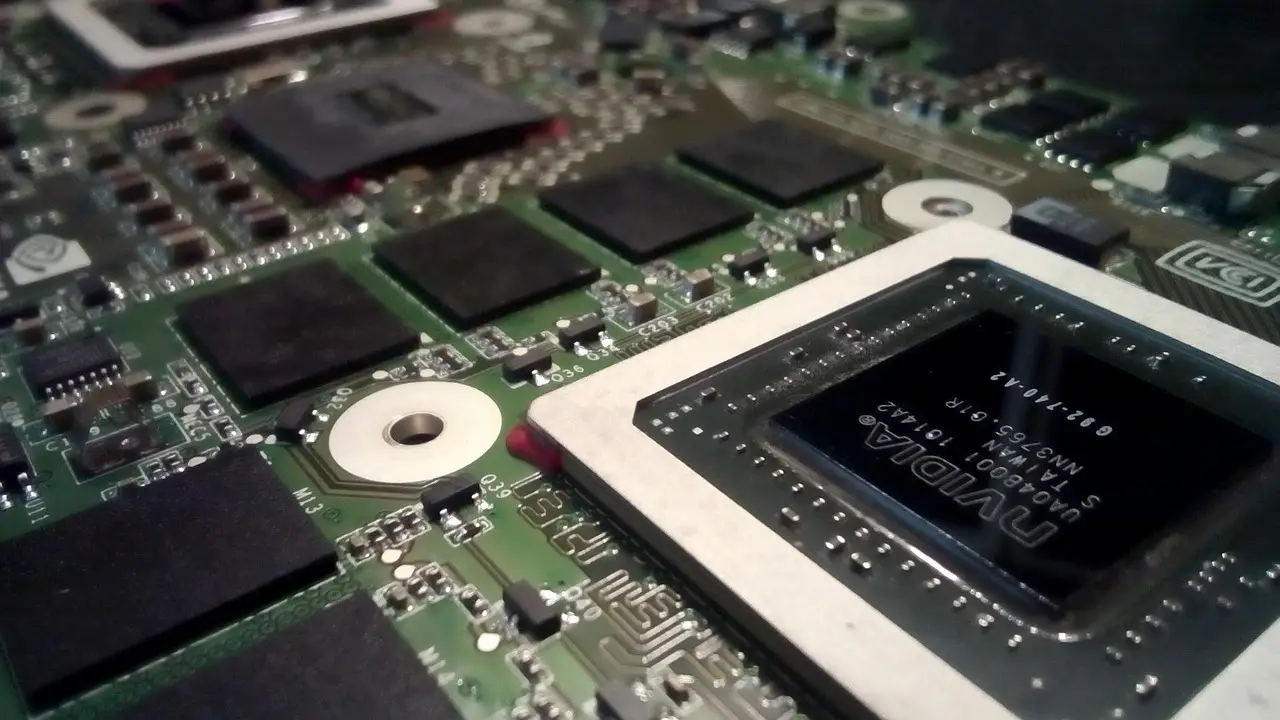
Nvidia at $162: The Numbers That Survived Jensen Huang's Exit
At $162, Nvidia trades at 17.5x forward earnings with $62.5 billion in liquidity and no evidence of a thinning orderbook, one analyst argues the sell-off is overdone.
- By
- Nathan Brooks
- Filed
- Channel
- Tech Business
- Read
- 3 min read
Nvidia stock trades at $162, or 17.5 times forward earnings through fiscal year-end, and one Seeking Alpha analyst calls the post-Huang sell-off massively overdone relative to fundamentals. Strip away the noise around Jensen Huang's departure, the argument goes, and what remains is a company priced at 7.7 times earnings two years out despite robust projected growth. That multiple looks less like a warning and more like a discount.
The article, published under a Strong Buy rating, arrives after a week of conflicting commentary. Authors have argued both sides of Huang's exit, some expecting his return, others pricing in permanent damage. The analyst's verdict is blunt: the whirlwind has everyone reeling, and the market has priced fear rather than evidence.
What does the balance sheet actually show?
The strongest facts in the piece are financial. Nvidia holds $62.5 billion in liquidity. The company generated $134.4 billion in trailing operating cash flow. Cheap debt adds what the analyst describes as buyback firepower — the capacity to absorb shares during weakness without straining operations.
For context, that liquidity cushion is roughly the size of a major semiconductor capital program, and it sits on top of a business still converting sales to cash at extraordinary rates. Management, in this reading, does not need market sentiment to cooperate in order to defend the stock.
Where has the risk genuinely moved?
The analyst does not pretend the departure is a non-event. Two risk categories have risen explicitly: leadership risk and contract risk. A company built around a founder-CEO loses something when that founder leaves, and customers who signed on the strength of that relationship may re-read their terms.
The mitigation is structural. Nvidia's dominance in accelerated computing rests on hardware, software and an installed ecosystem, none of which resigns. The analyst's position is that these moats outlast any single executive.
What is still missing from the bears' case?
The central evidentiary point deserves emphasis. Despite a week of claims that demand is cracking, the analyst states that evidence of a thinning orderbook remains absent. No confirmed order cancellations appear in the piece. No revenue guidance cut is cited. The sell-off, in this framing, runs ahead of any documented deterioration.
That absence cuts both ways, of course. Orderbooks reveal themselves in quarterly reports, not in real time, and the burden of proof now shifts to the next print.
What should investors watch next?
The analyst names three checkpoints:
- Q3 results, the first hard data on demand since the leadership change
- Future orders, the most direct test of whether the orderbook thesis holds
- Potential government sanctions, the one external force that could impair sales regardless of customer intent
Sanctions deserve the most attention of the three. Export controls on advanced AI chips have repeatedly reshaped Nvidia's addressable market, and a founder's departure does not soften Washington's posture. A fresh restriction would change the commercial picture in a way no buyback could offset.
Is the Strong Buy justified?
The rating rests on arithmetic rather than affection. A company growing robustly at 17.5 times near-term earnings, with 7.7 times earnings two years forward, is cheap by the standards of large-cap technology — if the growth arrives. The analyst's disclosed intention to initiate a long position in NVDA within 72 hours, through stock or call options, aligns the argument with money.
It is worth noting what the piece does not claim. It offers no insider knowledge of Huang's future plans. It cites no leaked order data. It is, in the analyst's own framing, an exercise in separating fact from mood.
The verdict sentences write themselves. The facts are strong. The mood is weak. The price has followed the mood.
Whether that gap closes upward depends on Q3, on orders, and on regulators. The first of those answers arrives with the next earnings report, and until then the $134.4 billion in trailing cash flow keeps working whether the market approves or not.
Source: seekingalpha.com
More from Nathan Brooks
Show full bio
Senior reporter covering people, launches and day-to-day practice in Semiconductors, chip manufacturing, hardware, AI compute at Chip Dispatch.
1,010 articles
Related articles
nvidia-faces-a-ceo-exit-and-a-30-selloff-bargain-or-trap
Nvidia Faces a CEO Exit and a 30% Selloff: Bargain or Trap?
nvidia-trades-below-12x-forward-earnings-as-huang-scandal-erases-428-billion
Nvidia Trades Below 12x Forward Earnings as Huang Scandal Erases $428 Billion
nvidia-after-jensen-huang-why-the-sell-off-looks-overdone
Nvidia After Jensen Huang: Why the Sell-Off Looks Overdone
nvidia-faces-fbi-probe-of-jensen-huang-as-valuation-hits-multi-year-lows
Nvidia Faces FBI Probe of Jensen Huang as Valuation Hits Multi-Year Lows