NVIDIA Leads AI Chip Selloff Before First Report Without Huang
NVIDIA fell 4% before its first earnings report without Jensen Huang, while AMD dropped 6% and TSMC 5%. A $108 billion revenue guide and supply bottleneck meet leadership and export-control pressure.
- By
- Tom Whitfield
- Filed
- Channel
- Semiconductors
- Read
- 4 min read
By Tom Whitfield
NVIDIA traded at $157.01, down 4% in morning trading on November 16, as AMD fell 6% and Taiwan Semiconductor Manufacturing dropped 5% around a looming earnings test for the AI-chip industry.
NVIDIA shares were down 29% over the preceding month, and stock futures moved lower with the company leading AI stocks down. An earnings calendar placed NVIDIA’s fiscal Q3 2027 report on November 17 after the close, although the company had not confirmed that date.
What leadership change triggered the selloff?
NVIDIA’s board announced on November 12 that Jensen Huang would step down as CEO. Longtime finance chief Colette Kress became interim CEO, and the board will consider internal and external candidates for the permanent position.
The announcement followed reporting on Huang’s extramarital affairs, including a claim that U.S. intelligence believed one woman was a spy for China. The report stated that those allegations remained unverified.
Support for Huang’s return has grown since the announcement. An online petition to reinstate him drew more than 170,000 signatures, and Tesla CEO Elon Musk joined other technology executives calling for his restoration.
On November 15, Treasury Secretary Scott Bessent called for a “dramatic shakeup” at NVIDIA. He said the board should look outside the company for its next CEO and suggested greater scrutiny of export-control compliance.
U.S. lawmakers are also pressing for investigations. The Commerce Department is cracking down on a third-country loophole that allowed China to obtain computing power, adding regulatory pressure to a company whose guidance excludes China Data Center compute revenue.
Taken together, the succession dispute, petition and intervention from Washington have turned NVIDIA’s leadership change into a test of corporate governance and export-control compliance.
How did weakness spread across chip stocks?
AMD traded at $502.39, down 6%, a steeper loss than NVIDIA despite the company facing no leadership change. Its Q3 2026 results, reported on November 3, beat expectations, while Data Center segment revenue rose 97% year over year.
AMD shares slid on November 13 as Wall Street reconsidered the AI trade without Huang. That reaction shows how closely investors now tie semiconductor valuations to NVIDIA’s leadership and the broader direction of artificial-intelligence spending.
Taiwan Semiconductor Manufacturing traded at $379.99, down 5%. The report linked the pressure on Asian chip stocks to the NVIDIA fallout and the Anthropic listing, even as TSMC disclosed on November 10 that October net revenue had increased 59.7% year over year.
The selloff therefore extends beyond NVIDIA. Reported growth remained strong at both AMD and TSMC, but investors reduced their exposure to leadership, policy and AI-demand risks across the chain.
How do the three chip companies differ?
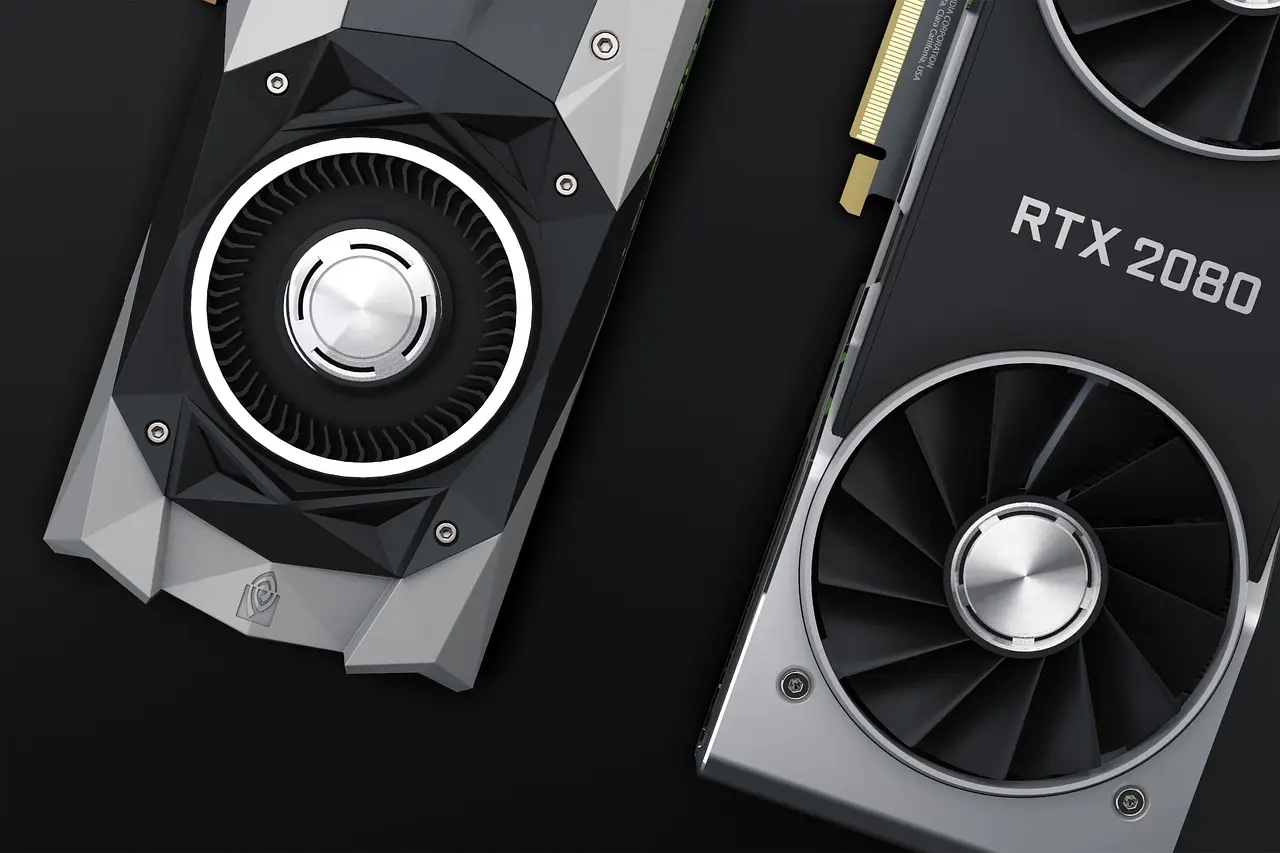
NVIDIA sells an integrated accelerated-computing platform combining GPUs, CPUs, networking, systems and the CUDA software ecosystem. Its Data Center customers include hyperscale cloud providers, AI clouds, enterprises, sovereign governments and research institutions.
AMD competes with Instinct GPUs and EPYC server CPUs, packaged in Helios rack-scale systems and supported by its open ROCm software stack. The approach gives customers a competing platform built from discrete processor, accelerator and networking products.
TSMC sits upstream of both chip designers, manufacturing leading-edge chips under contract for NVIDIA and AMD. Its foundry model therefore gives it exposure to AI demand across competing platforms rather than dependence on one processor architecture.
Broadcom follows a third route. It designs custom AI accelerators and networking chips for hyperscalers and operates infrastructure software businesses that include VMware, giving it a position between merchant suppliers and vertically integrated computing platforms.
The different structures explain why one leadership shock can move the entire group: NVIDIA drives platform expectations, AMD supplies alternatives, TSMC manufactures the designs, and Broadcom serves customized infrastructure demand.
What must NVIDIA’s first report without Huang show?\n
The November report will be NVIDIA’s first since Huang’s exit, leaving Kress to answer questions about AI-chip demand, leadership stability and regulatory risk. Her performance will shape investor confidence while the permanent CEO search remains open.
Guidance issued on August 26 calls for fiscal Q3 revenue of $108 billion, plus or minus 2%, excluding any Data Center compute revenue from China. This figure represents company guidance rather than a reported result.
On that earnings call, Kress, then the finance chief, said: “We expect supply to remain a bottleneck at least through the end of fiscal year ’28.” The statement forecasts constrained supply without providing a specific capacity figure.
The bullish case rests partly on six consecutive quarters of earnings and revenue beats. The bearish case centers on the open CEO search, Washington’s export-control scrutiny and demands for investigations.
Retail traders were divided between buying the decline on confidence in chip demand and waiting for clarity about leadership and the outlook. Circular financing and the level of AI spending also remained part of the debate.
The next valuation test is whether demand supports NVIDIA’s $108 billion quarterly outlook while Kress leads the company and regulators tighten export controls; until those questions narrow, leadership uncertainty can continue to weigh on the shares despite strong reported growth and a management forecast of persistent supply constraints.
Source: 247wallst.com
More from Tom Whitfield
Show full bio
Staff writer covering companies, deals and strategy in Semiconductors, chip manufacturing, hardware, AI compute at Chip Dispatch.
999 articles
Related articles
huang-out-at-nvidia-shares-down-30-roadmap-intact
Huang Out at NVIDIA: Shares Down 30%, Roadmap Intact
jensen-huang-resigns-nvidia-falls-5-qqq-holders-lose-just-38
Jensen Huang Resigns: Nvidia Falls 5%, QQQ Holders Lose Just $38
nvidia-falls-9-as-board-reportedly-prepares-to-oust-jensen-huang
NVIDIA Falls 9% as Board Reportedly Prepares to Oust Jensen Huang
nvdl-2x-nvidia-etf-falls-9-ahead-of-first-post-huang-earnings
NVDL 2x NVIDIA ETF Falls 9% Ahead of First Post-Huang Earnings