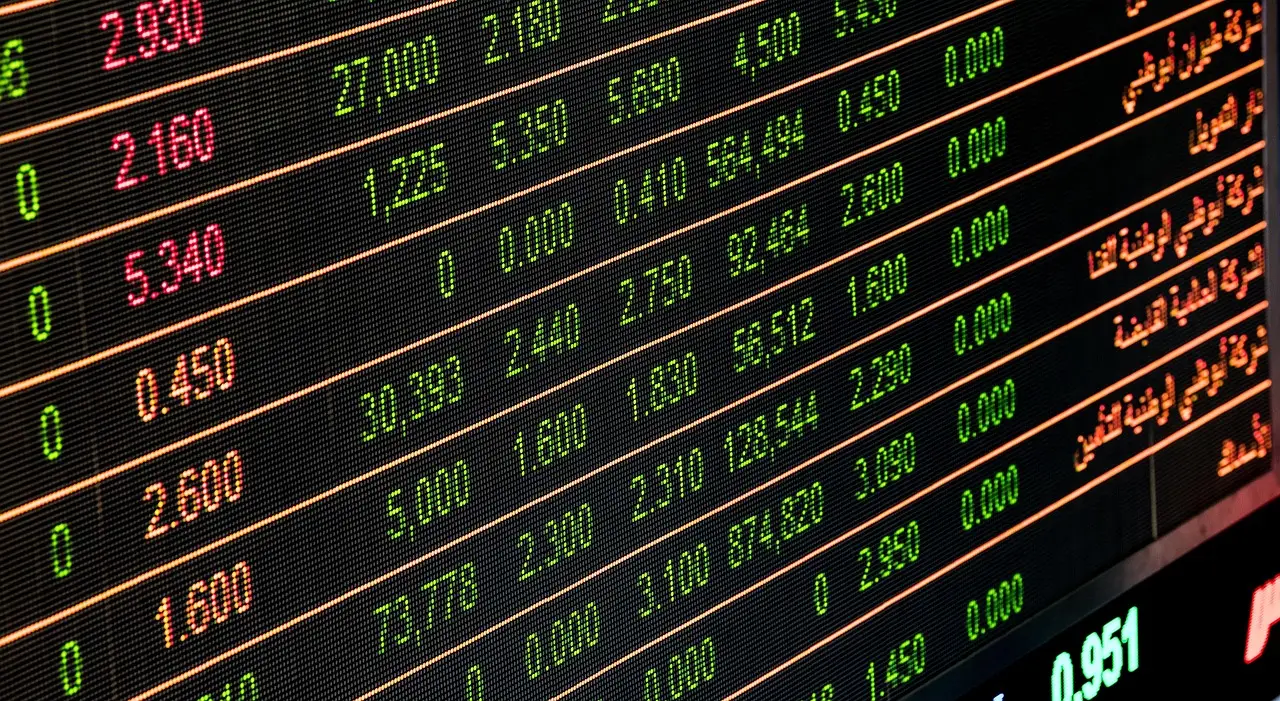
Nvidia Reports Q3 on 17 November After Huang Exit, $1.7T Wipeout
Nvidia reports Q3 FY2027 on 17 November after losing $1.7trn in value; interim CEO Colette Kress fronts results as Anthropic's $64.4bn IPO tests AI sentiment.
- By
- Tom Whitfield
- Filed
- Channel
- AI & Compute
- Read
- 5 min read
By Tom Whitfield
Nvidia has lost roughly US$1.7 trillion in market value since early October, according to CNBC, and on Tuesday 17 November it must face investors with results for the third quarter of fiscal 2027 — its first report since Jensen Huang resigned as President, CEO and board member.
The numbers around the company explain why this week carries unusual weight. Nvidia fell 2% on Friday to US$162.85, its sixth straight weekly decline and its worst week since April 2015-scale streaks — the longest run of losses since 2012, according to Bloomberg. ABC News put the company's value at about US$3.9 trillion on Friday, down from about US$5.8 trillion in early October.
What happened to Nvidia's leadership?
The crisis broke on 12 November, when Nvidia announced Huang's resignation, effective immediately. The regulatory filing says the board accepted it on 11 November. Chief Financial Officer Colette Kress, CFO since 2013, became interim CEO and keeps the finance role while the board searches for a permanent successor.
There may be a twist. ABC News, citing a Financial Times report, said on Monday that Huang is considering a comeback and has discussed returning with confidants. Nvidia did not immediately comment.
What will the earnings show?
Nvidia will report at about 1:20pm Pacific time on Tuesday, with the call at 2pm — roughly 8:20am and 9:00am AEDT on Wednesday 18 November, just before the ASX opens. Analysts expect earnings growth of 90% on revenue of about US$109 billion for the quarter, ABC News reported, citing Reuters.
Three things matter beyond the headline figures:
- Guidance. What management says about the next quarter can outweigh the quarter just finished.
- Customer and supplier confidence. TD Cowen analysts, cited by MarketWatch, see customer or supplier defections as a clear sign the situation is not stabilising.
- Leadership clarity. Any update on the CEO search, or on who holds technical and operational authority, may shape how the market reads the result.
Wells Fargo's Sameer Samana, quoted by ABC News, said "the market has rose-coloured glasses on almost all the risks", and that disappointments this week "could finally kind of wake investors up". A strong result does not guarantee a positive reaction when expectations sit this high.
Why does the Anthropic IPO matter?
Two days after Nvidia reports, Anthropic is expected to begin trading on the Nasdaq Global Select Market under the ticker ANT, on Thursday 19 November US time — early Friday morning in Sydney. The company is offering 825 million Class A shares at an expected US$70 to US$78 each.
Reuters reported the IPO could raise as much as US$64.4 billion. At the top of the range, CNBC reported, Anthropic could be worth about US$1.4 trillion on a fully diluted basis, up from the US$965 billion valuation in its May funding round. CNBC also reported that Anthropic is targeting a retail allocation of about 20%, well above the 5% to 10% typical for an IPO.
ABC News called the listing "a real-time barometer for sentiment on the AI trade". In one week, the market judges both the biggest supplier of AI chips and one of the biggest AI model builders.
What does it mean for Australian investors?
The local market looks calm but is not isolated. ASX 200 futures were flat at 9,114 points on Monday after the index fell 0.7% to 9,082 on Friday, and the benchmark sits 215 points from its August record after three straight weeks of gains, according to the AFR. Goldman Sachs, cited by ABC News, linked copper's decline to the AI-related sell-off, given copper's use in electrification and data centres — relevant for a market weighted toward miners.
Nasdaq exposure means Nvidia exposure. Many Australians hold the Nasdaq-100 through NDQ on the ASX or QQQ in the US. Morningstar data for NDQ, dated 30 September, showed Nvidia as its largest holding at 8.36%, with the top 10 holdings at 46.9% of assets. Edward Jones' Angelo Kourkafas, quoted by AP, said Nvidia's pullback "serves as a reminder of the concentration risk embedded in a market where a small number of mega-cap technology stocks have driven an outsized share of returns".
Currency adds another layer. The Australian dollar fell 0.5% to 67.71 US cents, its lowest since late January and the worst-performing G10 currency this month. NAB's Ray Attrill said the weakness is "much more of an interest rate story than it is about risk sentiment". For an unhedged holder of US shares, a weaker Aussie lifts the A$ value of those assets and can soften a fall in US prices.
Volatility is elevated but not extreme. The VIX closed at 19.30 on Friday, up 3.21%, below the 28.18 close on 5 November but above mid-teens levels of early October, according to Yahoo Finance.
Sensible steps this week are straightforward: know your exposure across ETFs, super and direct shares before results; expect wide price gaps; separate the company from the theme, since a good result can still disappoint a market priced for perfection; treat IPO excitement with care; and watch AUD/USD, not just prices. Whether AI confidence holds will be decided by Wednesday morning in Sydney and Friday morning after that.
General information only, not financial advice. Figures as reported on the morning of 16 November 2026 (AEDT).
Source: tradingview.com
More from Tom Whitfield
Show full bio
Staff writer covering companies, deals and strategy in Semiconductors, chip manufacturing, hardware, AI compute at Chip Dispatch.
999 articles
Related articles
nvidia-falls-27-after-huang-exit-as-515-target-survives
NVIDIA falls 27% after Huang exit as $515 target survives
nvidia-faces-congressional-scrutiny-after-huang-s-immediate-exit
NVIDIA Faces Congressional Scrutiny After Huang's Immediate Exit
nvidia-heads-for-sixth-weekly-loss-as-cerebras-jumps-15
Nvidia Heads for Sixth Weekly Loss as Cerebras Jumps 15%
nvidia-faces-longest-weekly-losing-streak-after-huang-exit
Nvidia Faces Longest Weekly Losing Streak Since 2012 After Huang Exit