Tech Business · 3 min read
Nvidia to Pay $290 Million Over 2018 Crypto-Mining Disclosure Claims
Nvidia agreed to a $290 million cash settlement over claims it masked crypto-mining GeForce sales as gaming revenue. The deal equals about 14% of the $2.059 billion maximum damages estimate and needs court approval on Feb. 4, 2027.
Key takeaways
- Nvidia will pay $290 million to settle the 2018 crypto-mining disclosure class action.
- The class covers stock buyers from Aug. 10, 2017, through Nov. 15, 2018.
- The settlement equals about 14% of the $2.059 billion maximum damages estimate by plaintiffs' expert.
- A preliminary approval hearing before Judge Haywood Gilliam Jr. is set for Feb. 4, 2027.
- Nvidia paid $5.5 million in 2022 to settle SEC charges over the same disclosures.
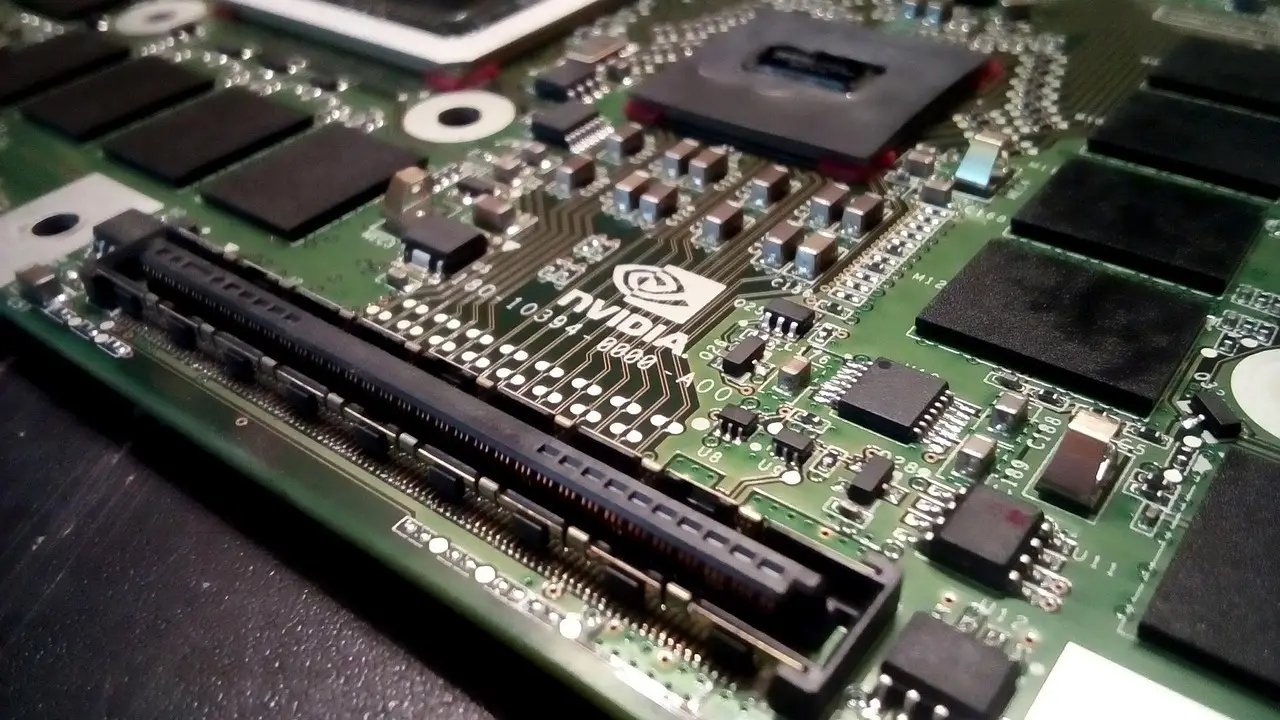
Nvidia will pay $290 million in cash to settle a shareholder class action over its disclosures about cryptocurrency-mining sales in 2017 and 2018. The settlement, disclosed in an unopposed motion filed on Tuesday, Nov. 24, in the U.S. District Court for the Northern District of California, still requires judicial approval. A preliminary approval hearing before Judge Haywood S. Gilliam Jr. is set for Feb. 4, 2027.
The sum is real money but modest next to what plaintiffs claimed they lost. Their damages expert put maximum class-wide damages at $2.059 billion, making the deal worth roughly 14% of that ceiling. Caveat: 14% of a contested estimate is not 14% of proven harm. Nvidia never conceded liability, and no money returns to the company under the fund's terms.
What did investors allege?
The class, led by Swedish fund manager Lannebo Kapitalförvaltning (formerly E. Öhman J:or Fonder) and Dutch pension fund PGB, covers buyers of Nvidia common stock from Aug. 10, 2017, through Nov. 15, 2018. Their core claim: Nvidia told the market that its soaring gaming revenue came from gamers, when a substantial share came from GeForce cards sold to cryptocurrency miners.
The alleged correction came in two steps. Nvidia cut guidance in August 2018. Then, on Nov. 15, 2018, it cut its forecast again, blaming a "sharp falloff in crypto demand." The stock fell 28.5% over the following two trading sessions.
Nvidia disputed the claims throughout. Among other arguments, the company said crypto demand's effect on gaming revenue could not be precisely measured. That position is worth noting because it never got tested at trial. The settlement ends the argument without a verdict on the merits.
How does the money get divided?
The $290 million goes into a settlement fund for class members. Class counsel will ask for fees of no more than 21.4% of the fund — up to roughly $62 million — plus, presumably, costs, though the motion's fee cap is the only figure on the record. The plaintiffs said the deal would rank as the seventh-largest securities class settlement in the Northern District of California since the 1995 Private Securities Litigation Reform Act.
Why did this take eight years?
The procedural record explains the timeline. The case was dismissed in 2021. The Ninth Circuit revived it. Nvidia appealed to the Supreme Court, which dismissed the case in December 2024 without ruling on the merits — so no precedent came out of the highest court's involvement. Judge Gilliam certified the class in March 2026.
The $290 million figure was not negotiated directly between the parties. A mediator, former U.S. District Judge Layn Phillips, recommended it. Both sides accepted on Sept. 24 and signed the settlement stipulation on Nov. 24.
Is this Nvidia's only crypto-disclosure problem?
No. Nvidia paid $5.5 million in 2022 to settle SEC charges over the same crypto-mining disclosures. The SEC's current inquiry into Nvidia's disclosures, reported this month, is a separate matter. Whether that inquiry produces charges, a settlement, or nothing remains unknown; the reported facts do not say.
The settlement closes a chapter that dates to the 2017-2018 mining boom, when GeForce demand blurred into crypto economics and investors paid for the blur — here, at a rate of about 14 cents on the claimed dollar. The Feb. 4, 2027 hearing is the next checkpoint; until Gilliam signs off, the $290 million remains a promise, not a payment.
mlq.ai (Source)
More from Sophie Lindqvist
Show full bio
News editor covering money, funding and market shifts around Semiconductors, chip manufacturing, hardware, AI compute at Chip Dispatch.
1,317 articles