Nvidia traders priced the Sunday news in perpetual futures
Nvidia perpetual futures drew about $200 million after Sunday reports on Jensen Huang, while pre-market options and a Kalshi CEO contract also traded before cash trading opened.
- By
- Tom Whitfield
- Filed
- Channel
- Tech Business
- Read
- 4 min read
By Tom Whitfield
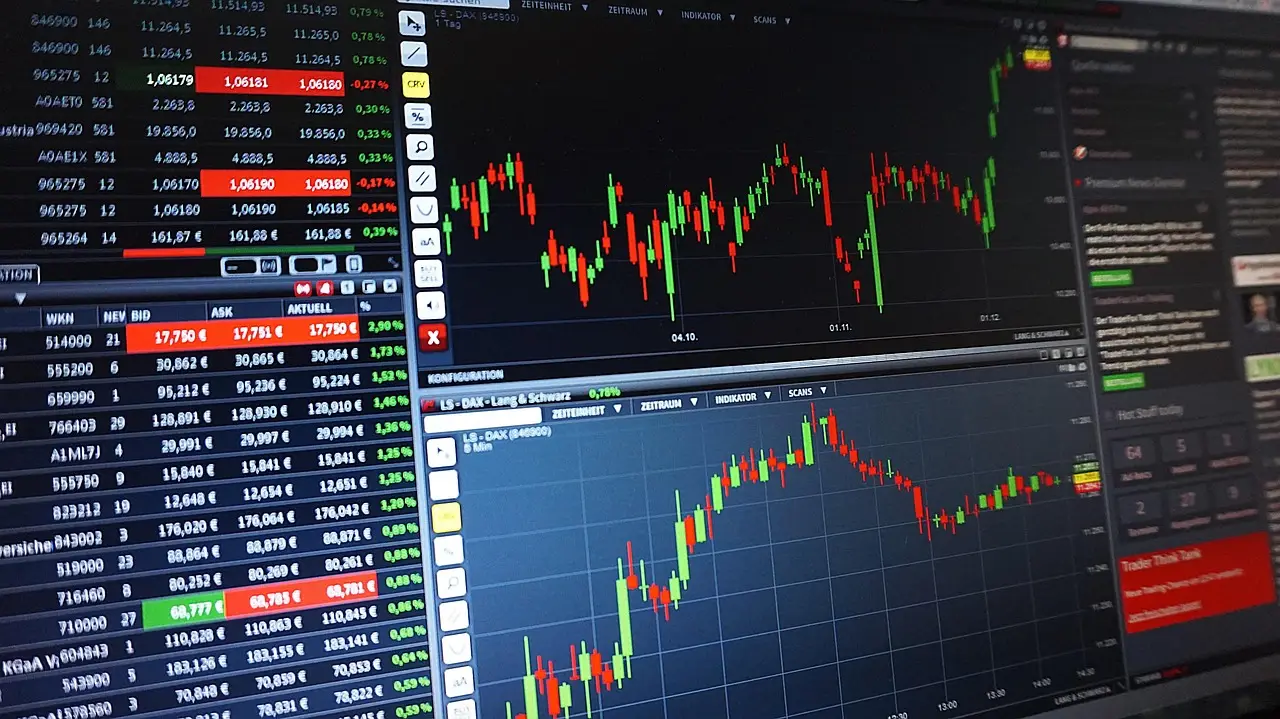
Hyperliquid’s xyz Nvidia perpetual contract fell as low as $180.15 by 3:30 p.m. ET Sunday, on about $200 million in volume, as reports about Nvidia CEO Jensen Huang broke ahead of pre-market equity trading.
Bearish trading began at 3 p.m. ET Sunday. Nvidia shares and the perpetuals later fell below $178 overnight, while the shares were down 7% Monday morning. The reports covered here do not specify the allegations; separate linked coverage addresses them and Nvidia’s board’s independent investigation.
How did three trading venues price the news?
Perpetual futures, or perps, are leveraged contracts with no expiry that trade around the clock, seven days a week. Rich Repetto, a former exchange analyst, said: “Perps have filled a significant gap or void in the market.” David Schamis, CEO of Hyperliquid Strategies, a listed company that holds Hyperliquid’s HYPE tokens, said: “news doesn't stop when the market is closed.”
Because a perp has no expiry, traders can keep leveraged exposure open through the weekend and beyond the conventional close. The structure let traders establish bearish positions on Sunday rather than wait for Monday’s equity session.
- Perpetual futures: Bearish positions started at 3 p.m. ET Sunday. Hyperliquid’s
xyzcontract reached $180.15 by 3:30 p.m. on about $200 million of volume, and both the contract and Nvidia shares later traded below $178 overnight. - Prediction markets: A Kalshi contract addressing when Huang might leave as CEO had been listed days before the reports. It drew more than $105,000 of trading on Sunday.
- Pre-market options: In a session launched only weeks earlier, about $15 million of premium changed hands across roughly 40,000 Nvidia contracts. Just over half the contracts were puts, carrying just under $10 million in premium, according to SpotGamma data.
CNBC, which reported the figures, has a commercial relationship with Kalshi that includes a minority investment. The report therefore identifies both the prediction-market trading total and the reporting outlet’s connection to the venue.
The three markets registered different views. The perpetual expressed directional leverage, the Kalshi contract addressed Huang’s possible departure, and the put options expressed a bearish tilt. Their dollar totals cover different instruments, so they should not be combined into one estimate of selling.
The trading data shows that bearish positioning did not have to wait for the cash session.
What did the regulatory approval change?
The Commodity Futures Trading Commission approved perpetual futures on individual U.S. stocks for regulated exchanges last week. The agency treated the contracts as security futures under joint CFTC and SEC oversight.
On Nov. 3, the Capital Markets Alliance, a group backed by Cboe and Citadel Securities, sued in federal court in Manhattan to overturn the approval. The group argued that the contracts are security-based swaps under the SEC’s exclusive jurisdiction.
Executives at CME and Cboe have warned that the products create new risks for U.S. derivatives markets, according to linked MLQ coverage. The legal challenge therefore reaches beyond product design to the division of authority between the two federal regulators.
The approval created a regulated route for stock perps while leaving their legal classification under immediate challenge.
What do the prices establish?
The sequence identifies the perpetuals as the earliest reaction with a precise timestamp in the account. Their $180.15 print and later sub-$178 trading preceded the reported 7% Monday-morning decline in Nvidia shares, but the data do not prove that the perps set the equity price.
The figures also measure different exposures. About $200 million represents perpetual-contract volume; roughly $15 million represents options premium across about 40,000 contracts; and more than $105,000 represents trading in the Kalshi CEO contract. No open-interest figure, total cash-equity turnover or settlement detail for xyz appears in the account, so it cannot show which market held the largest position.
Still, the sequence is concrete. Sunday reports met a market open around the clock, a prediction contract on executive tenure and a pre-market options session launched only weeks earlier. Each venue gave traders a route to act before normal Nvidia share trading.
The next pricing test is whether Nvidia shares and the perps remain near the sub-$178 level after Monday trading, or whether the Sunday derivatives move proves temporary.
Source: mlq.ai
More from Tom Whitfield
Show full bio
Staff writer covering companies, deals and strategy in Semiconductors, chip manufacturing, hardware, AI compute at Chip Dispatch.
786 articles
Related articles
nvidia-opens-independent-probe-as-shares-slip-before-results
Nvidia Opens Independent Probe as Shares Slip Before Results
kalshi-prices-nvidia-ceo-exit-odds-at-55
Kalshi Prices Nvidia CEO Exit Odds at 55% Before 2029
one-sell-rating-against-59-buys-nvidia-s-lone-bear-case
One Sell Rating Against 59 Buys: Nvidia's Lone Bear Case
nvidia-closes-at-186-64-as-huang-memo-tests-pre-earnings-risk
Nvidia closes at $186.64 as Huang memo tests pre-earnings risk