Tech Business · 3 min read
Peloton Authorizes $300 Million Buyback After $700 Million Debt Refinancing
Peloton's board cleared up to $300 million in Class A share repurchases funded from cash, days after repaying all term loans on its $1 billion facility with $700 million of 8.625% notes due 2032.
Key takeaways
- Peloton's board authorized up to $300 million in Class A share buybacks on Nov. 23, funded from cash on hand, with no end date.
- A Nov. 20 refinancing repaid all term loans under the $1 billion facility using $700 million of 8.625% notes due 2032.
- Peloton held $1,342.2 million in cash at Sept. 30, up from $1,206.6 million at June 30.
- Fiscal Q1 net income reached $96.2 million with free cash flow of $143.4 million.
- Shares rose 2.8% in after-hours trading after the announcement.
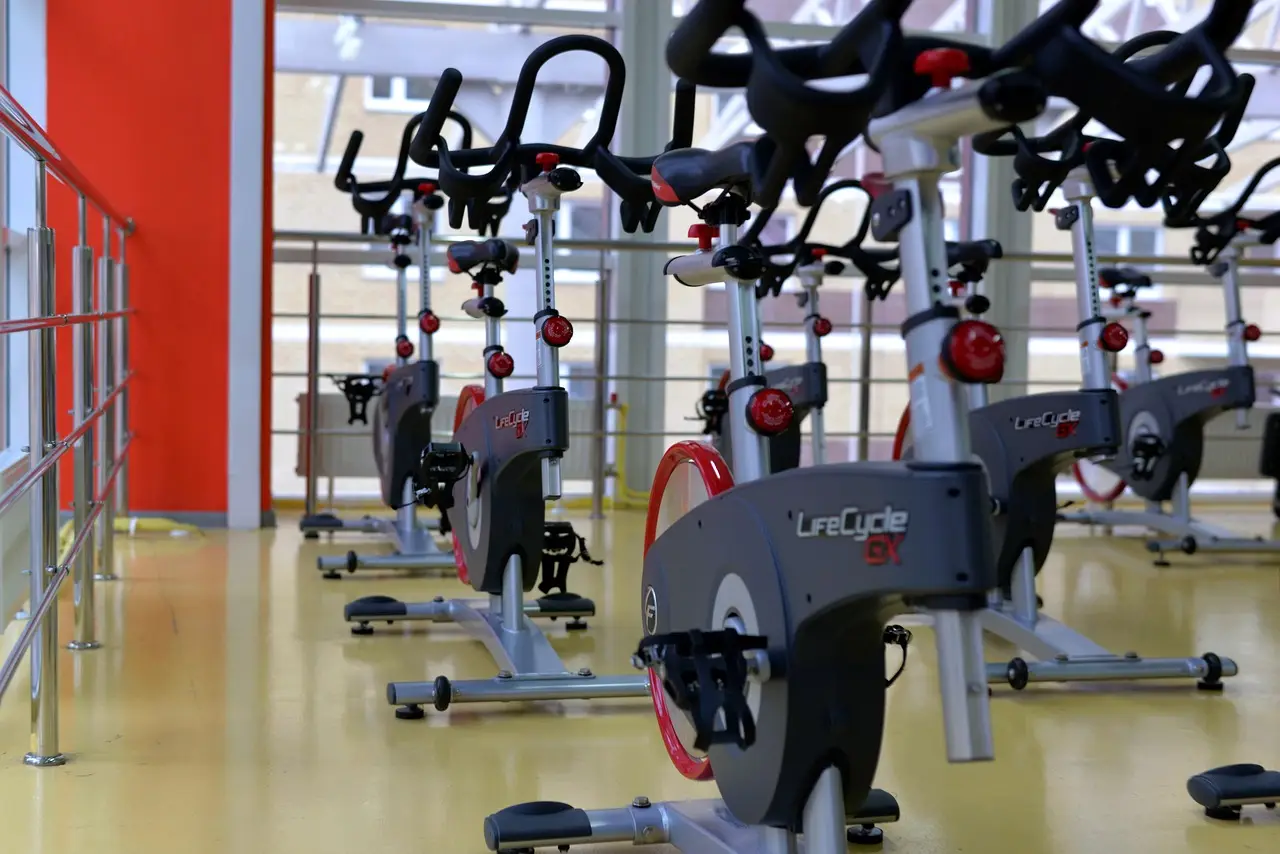
Peloton Interactive's board has authorized repurchases of up to $300 million of its Class A common stock, the company announced Monday, Nov. 23 — a move that landed just three days after it closed a refinancing that wiped out every term loan under its $1 billion credit facility. Shares rose 2.8% in after-hours trading on the news, according to Investing.com.
The buyback has no expiration date and no required share count. Peloton said it will fund purchases with cash on hand and may execute them through open market purchases, privately negotiated transactions, Rule 10b5-1 trading plans or derivative transactions. The company is under no obligation to buy any specific number of shares, and it can suspend, modify or discontinue the program at any time.
"Through disciplined execution, Peloton has built a robust balance sheet and a strong engine for generating free cash flow," Chief Financial Officer Sid Thacker said. "Alongside our recent refinancing, this program allows us to deliver more value to our shareholders, while retaining sufficient capital to further invest in our product roadmap and market expansion."
What did the refinancing change?
The authorization caps a rapid sequence of balance-sheet moves. On Nov. 20, Peloton closed a refinancing built around an upsized private offering of $700 million in 8.625% senior secured notes due Feb. 15, 2032 — priced Nov. 10. The company applied roughly $686.5 million in net proceeds, plus cash on hand, to repay all outstanding term loans under its $1 billion term loan facility, which was then terminated.
Peloton also swapped a $100 million revolving credit facility for a new $200 million five-year revolver led by Goldman Sachs. One piece of the old capital structure survives untouched: $350 million of 5.50% convertible notes due 2029 remain outstanding.
Can Peloton afford it?
The numbers say yes, at least on current form. At Sept. 30 — the close of its fiscal first quarter — Peloton held $1,342.2 million in cash and cash equivalents, up from $1,206.6 million at June 30. The $300 million buyback ceiling therefore represents just under a quarter of the cash pile.
Profitability is trending the right way too. The company reported net income of $96.2 million for the quarter, up sharply from $13.9 million a year earlier, and free cash flow of $143.4 million, more than double the $67.4 million posted in the prior-year period.
What comes next?
The math is straightforward: Peloton swapped floating-rate bank debt for fixed 8.625% paper maturing in 2032, freed itself from term-loan covenants, doubled its revolver for flexibility, and is now returning capital while keeping roughly $1 billion of liquidity in reserve. Whether the buyback executes in full or at all remains discretionary — the program carries no deadline and no minimum — but with free cash flow running at $143.4 million a quarter against a $300 million authorization, Thacker's claim of "sufficient capital" for product investment and market expansion holds up on the quarter's evidence.
mlq.ai (Source)
More from Rebecca Stone
Show full bio
Correspondent covering technology and product news in Semiconductors, chip manufacturing, hardware, AI compute at Chip Dispatch.
1,293 articles