Phota Labs Raises $5.6M to Let AI Reshoot Your Camera Roll
Phota Labs, founded by two ex-Adobe computational photography veterans, has launched with $5.6 million in a16z-led seed funding to automatically reshape badly captured photos.
- By
- Nathan Brooks
- Filed
- Channel
- Startups & Funding
- Read
- 3 min read
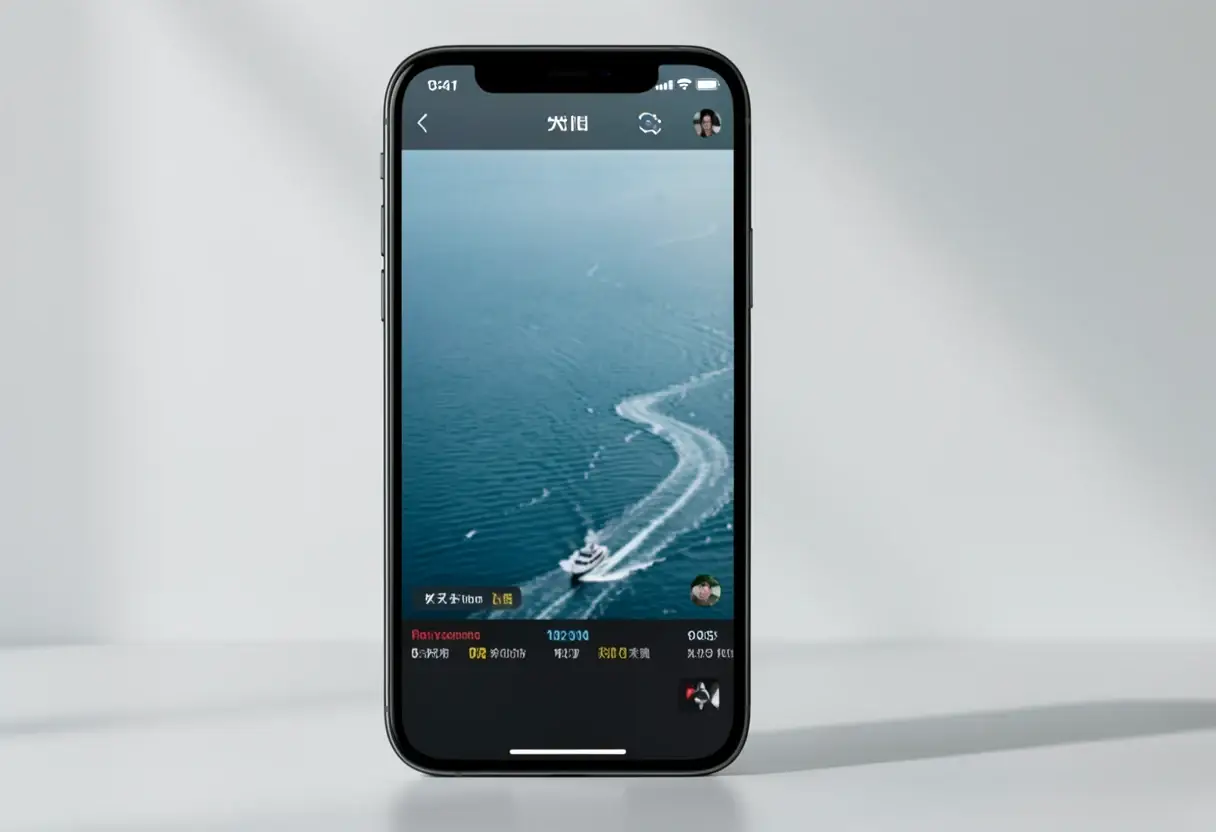
Phota Labs, an iOS app backed by a $5.6 million a16z-led seed round raised last year, launched this week with a single proposition: AI should fix the photograph you failed to take, not merely polish the one you did.
The startup was founded by Cecilia Zhang and Zach Xia, who met at Adobe while working on computational photography products including Project Indigo, Lightroom, and Photoshop. Their diagnosis of the market is blunt. Editing tools enhance photos, but they cannot rescue a photo that was captured badly in the first place. Phota Labs aims at that gap.
What does the app actually do?
The app functions as what the founders call a personal photo assistant. It scans a user's camera roll, interprets each scene, and reworks the shot accordingly — turning a wide-angle group photo into a tighter portrait, for example, or converting a selfie into a conventional photograph.
"Phota is your personal photo assistant that can make great photos for any moment you want to keep before you even ask, which means that it's a very proactive experience," Zhang told TechCrunch. "Think of it almost like a photographer or virtual photographer who looks over your camera roll and tries to understand what's happening and how they could have taken that photo for you on the spot for that scene."
Users choose from photography styles ranging from subtle edits that preserve the original lens and composition to dramatic transformations introducing fisheye effects, alternative angles, and entirely different perspectives.
Why not just use ChatGPT?
The founders draw a deliberate line against general-purpose generative tools. ChatGPT and similar services, they argue, frequently alter a person's appearance — particularly with blurry source photos — because the model does not know what the person actually looks like.
"For Phota, we built our own tech," Zhang said. "We built this personalization technology that actually learns about people's identity and is able to preserve them in any transformation we do to a photo."
The identity model is the company's core defense. It learns a person's appearance and enforces consistency across edits.
Every edited image also carries an invisible watermark that identifies it as AI-altered when shared on social platforms — a small concession to provenance in a year when regulators and platforms are pressing for exactly that.
Who is it for?
The initial target is people who take many photos and share them on social media but dislike editing. The founders envision a broader audience over time: retirees creating photos for grandchildren, and parents distributing polished family albums to friends and relatives.
"We have this obsession with authenticity," Xia said. "There's so much value in connecting AI with real moments and making sure those photos are not perfect, in a sense. They're just better photos of the same moment, rather than saying, 'Oh, this is an AI image.'"
Beta users, according to Xia, treated the results as photos of real memories rather than AI-generated images. One behavioral finding stands out: users began taking more photographs, knowing Phota Labs could enhance them later.
"We're turning something that's unusable into something that people want to print," Zhang said. "People who just love photos but never really got into editing can now experience professional quality that could never have been possible."
What comes next?
The app launches free while the company builds an initial user base; a freemium model and an Android version are on the roadmap. The commercial question is whether identity-preserving transformation proves defensible against the large model vendors moving into the same territory — and whether casual photographers will pay a subscription to keep it.
Source: techcrunch.com
More from Nathan Brooks
Show full bio
Senior reporter covering people, launches and day-to-day practice in Semiconductors, chip manufacturing, hardware, AI compute at Chip Dispatch.
886 articles
Related articles
sundrop-turns-baby-photo-floods-into-recaps-and-time-lapses-no-cloud-ai
Sundrop Turns Baby Photo Floods Into Recaps and Time-Lapses, No Cloud AI
google-launches-guided-vision-in-gemini-live-for-android-673c2d8d
Google Launches Guided Vision in Gemini Live for Android
chromagraph-puts-rian-johnsons-film-grade-on-iphone-photos
Chromagraph puts Rian Johnson’s film grade on iPhone photos