Tech BusinessLOT 261119 · 3 min read
Poland targets 12 military ISR satellites in orbit by end of 2027
Poland expects 12 ISR satellites in orbit by end-2027, adding radar and encrypted comms craft to €775 million in orders from ICEYE, Airbus and Creotech.
Key takeaways
- Poland targets 12 ISR satellites in orbit by the end of 2027.
- ICEYE contract worth about €200 million signed in 2025; four SAR satellites in orbit, option for two more exercised.
- Airbus deal worth €575 million net covers two roughly 30 cm resolution satellites due to launch in 2027.
- Four Creotech Mikroglob satellites completed their constellation 21 months after the 2024 contract signing.
- Encrypted military communications satellites in GEO and possibly polar orbit are planned for around 2031, with no budget given.
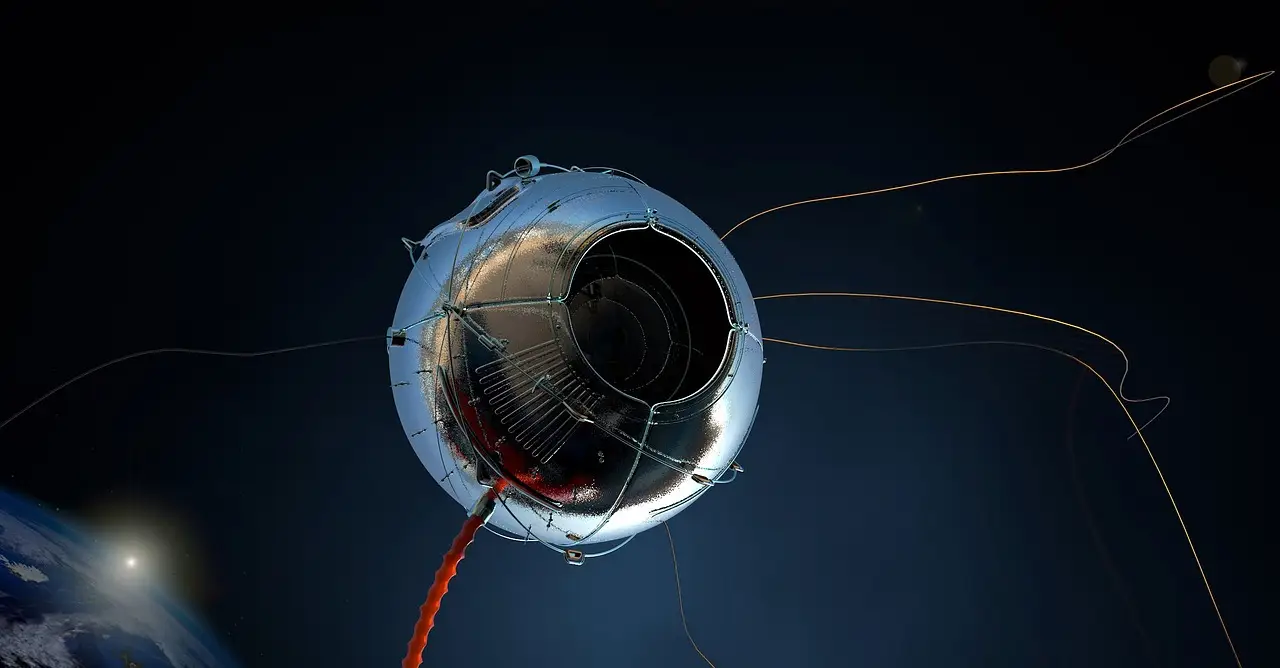
Poland's defence ministry expects 12 intelligence, surveillance and reconnaissance satellites in orbit by the end of 2027. Two senior officers detailed the plans in an interview with Breaking Defense published Nov. 19. The build-out covers radar imaging satellites, highly encrypted military communications satellites and ground-based radars to track objects in space.
Brig. Gen. Mieczysław Bieniek, head of the General Staff's reconnaissance and intelligence analysis directorate, said Poland will be "one of the biggest [space] nations in Europe with the biggest number of the satellites" once the constellation is complete.
Maj. Gen. Marcin Górka, the ministry's plenipotentiary for space, gave no budget figure. He said Poland already spends "billions of Polish zloty" on military space. That spending is not broken out from the defence budget, according to the report.
What does Poland already have on order?
The 2027 target rests on contracts already signed across three suppliers.
- Finnish company ICEYE signed a contract worth about €200 million in 2025 to supply synthetic aperture radar satellites to the Polish Armed Forces. Four are in orbit and the ministry has exercised its final option for two more.
- Airbus Defence and Space holds an agreement for two very-high-resolution reconnaissance satellites with roughly 30 cm resolution, worth €575 million net and due to launch in 2027.
- Polish satellite maker Creotech Instruments built four high-resolution Mikroglob observation satellites under a 2024 Armament Agency contract. The last three launched on Oct. 1, 2026, on a SpaceX Falcon 9 from Vandenberg, completing the constellation 21 months after signing.
SAR satellites image through cloud and at night, a capability optical systems lack. The Airbus pair would deliver resolution sharp enough to identify vehicles, while the ICEYE craft guarantee coverage in all weather.
The new Polish orders would extend one of the largest government relationships for ICEYE, which this week bid for Italian rocket maker Avio.
What comes after 2027?
The planned military communications satellites would sit in geostationary orbit and possibly polar orbits around 2031. The officials gave no quantities and no budget for that phase.
A passive radar project for space surveillance is already under way. It adds to the Polish Space Agency's optical telescope network, giving Warsaw its own picture of objects in orbit rather than reliance on allied data.
Poland's wider position shapes the plan. The country draws on Italy's COSMO-SkyMed radar data, belongs to the US-led Wideband Global SATCOM coalition, and plans to use the EU's IRIS2 secure communications constellation. The national program adds an independent layer on top of those allied systems.
Why the pace matters
The compressed timeline is notable. Creotech delivered a full four-satellite constellation in 21 months from contract to launch. If the Airbus satellites fly on schedule in 2027, Poland would field a mixed radar and optical ISR fleet within roughly four years of its first major orders — a pace few European NATO members have matched.
The 2031 communications phase remains the open question. No budget, orbit count or supplier has been announced, and geostationary military comsat programs in Europe have historically run years late. For now, the confirmed money stands at roughly €775 million across ICEYE, Airbus and Creotech, with the ISR fleet on a fixed 2027 deadline.
mlq.ai (Source)
More from Grace Kim
Show full bio
Market editor covering people, launches and day-to-day practice in Semiconductors, chip manufacturing, hardware, AI compute at Chip Dispatch.
1,156 articles