Prologis Tests Trenton Vote With 250 MW Amazon Data Center
Prologis sued Trenton after voters approved a 25 MW cap, seeking to preserve permits for a nearly 900,000-square-foot, 250 MW Amazon Web Services project.
- By
- Nathan Brooks
- Filed
- Channel
- AI & Compute
- Read
- 3 min read
By Nathan Brooks
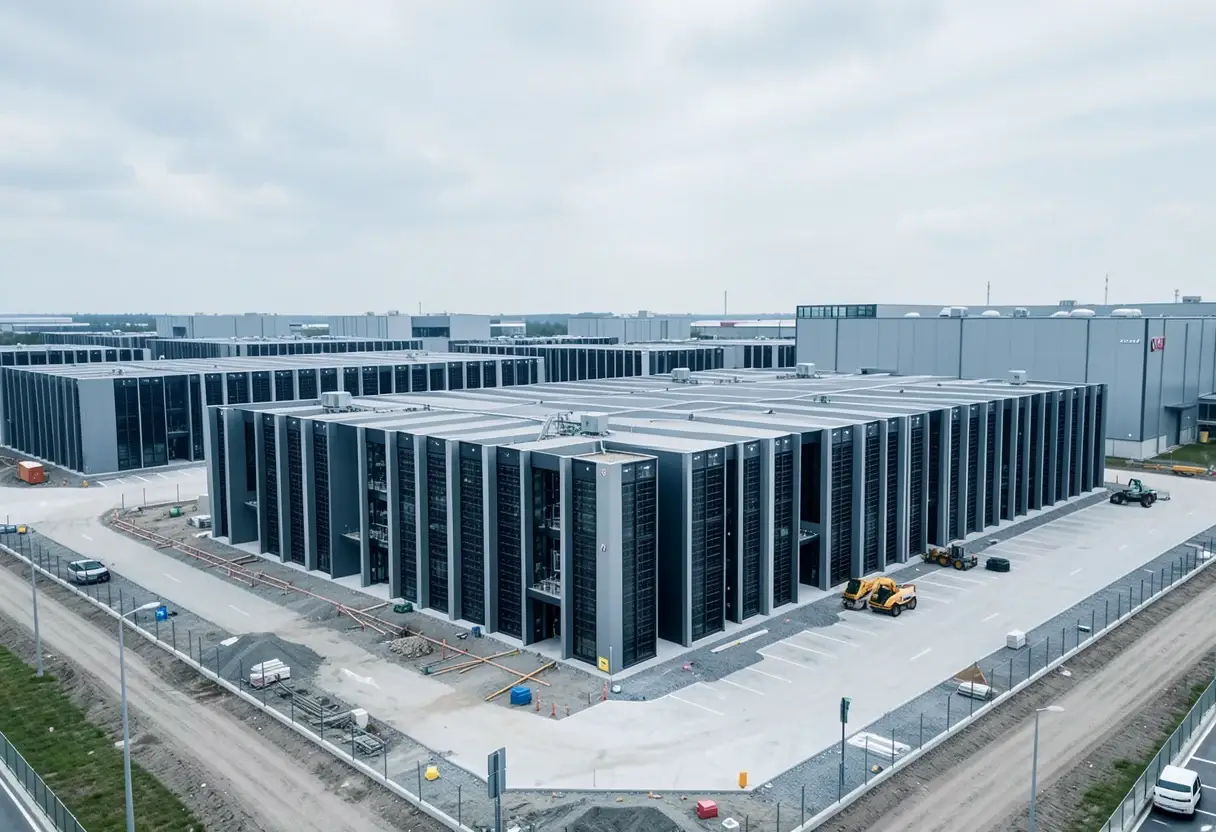
Prologis says it has invested $42.3 million in a nearly 900,000-square-foot, 250-megawatt Amazon Web Services data center in Trenton, Ohio, and on Nov. 12 sued the city to protect the project.
The company filed the case on Thursday in the U.S. District Court for the Southern District of Ohio, naming Trenton as the defendant, the Journal-News reported. The data center sits in the city’s industrial park and already holds a zoning certificate. At 250 MW, the project is ten times the 25 MW threshold at issue.
What does the lawsuit seek?
Prologis asks the court to protect the project’s earlier approvals and its claimed $42.3 million investment, made under rules that preceded the charter amendment. It argues Issue 17 reaches only future projects, not a facility the city already approved and permitted.
Prologis said: “The city had already approved and permitted Prologis' data center project and the company has begun construction.” The company added: “The city's approvals and Prologis' investment came before the Nov. 3 vote.”
The filing says crews had moved about 325,000 cubic yards of soil by June 2026, while the underground grounding system and cable trenching were nearly complete. Those details support Prologis’s claim that construction began before the vote, although Trenton is defending the amendment’s authority.
Trenton’s law director said in a letter that the city will “actively defend this action” and protect the public interest in the “validity and lawful enforcement of the city charter.” The votes are settled, at least unofficially. The permits are not.
Why did residents challenge the permits?
On Nov. 9, lawyers for Conserve Ohio, which drafted Issue 17, hand-delivered a letter asking Trenton to revoke the project’s zoning certificate because the facility would exceed 25 MW. The letter represented residents including ban organizer Barry Blankenship and said they intended to sue to compel the city to act.
Trenton replied that the Nov. 3 results had not yet been certified by the Butler County Board of Elections and that its review remained under way. The reply did not resolve the certificate’s status, leaving Prologis’s permits and the residents’ challenge on the same legal track.
How did Issue 17 reach the ballot?
The Ohio Supreme Court ordered Trenton in September to let residents vote on Issue 17. Voters approved the charter amendment on Nov. 3 with about 80% support in unofficial results. The measure permits new data centers only below 25 MW while barring facilities at 25 MW or more.
WVXU reported that a group opposing Issue 17 drew funding in part from the Ohio Chamber of Commerce and Prologis. The amendment also blocks the city’s plans to annex land for a separate 1,000-megawatt Amazon data center, extending the dispute beyond Trenton's current project.
What does the vote mean for new capacity?
MLQ.ai found that voters backed data-center limits in 40 of 41 local measures appearing on Nov. 3 ballots. Companies including Meta have since said the backlash will make new U.S. sites harder to build.
For Prologis, the immediate fight concerns a 250 MW project already under construction. For other operators, the wider signal is that local permitting now carries greater weight when deciding where new capacity can be built.
The next test is whether Trenton can enforce Issue 17 without stopping the 250 MW AWS build while the federal court reviews Prologis’s claims. With 40 of 41 local measures favoring limits, operators can expect permitting to remain a tighter constraint on new data-center capacity.
Source: mlq.ai
More from Nathan Brooks
Show full bio
Senior reporter covering people, launches and day-to-day practice in Semiconductors, chip manufacturing, hardware, AI compute at Chip Dispatch.
1,011 articles
Related articles
georgia-residents-sue-openai-over-30-billion-data-center-plan
Georgia residents sue OpenAI over $30 billion data center plan
googles-hermantown-data-center-clears-vote-not-power-review
Google’s Hermantown data center clears vote, not power review
kraft-group-proposes-16-billion-900-mw-data-center-campus-in-sutton
Kraft Group Proposes $16 Billion, 900 MW Data Center Campus in Sutton
voters-rejected-ai-data-centers-in-40-of-41-local-elections
Voters Rejected AI Data Centers in 40 of 41 Local Elections