Qualcomm CEO Calls Chip Supply an “Extreme Shortage”; Market Yawns
Qualcomm's Amon calls chips in “extreme shortage” on wafers, substrate and assembly; QCT margin fell to 24% while data center targets of $5B and $15B remain.
- By
- Nathan Brooks
- Filed
- Channel
- Semiconductors
- Read
- 3 min read
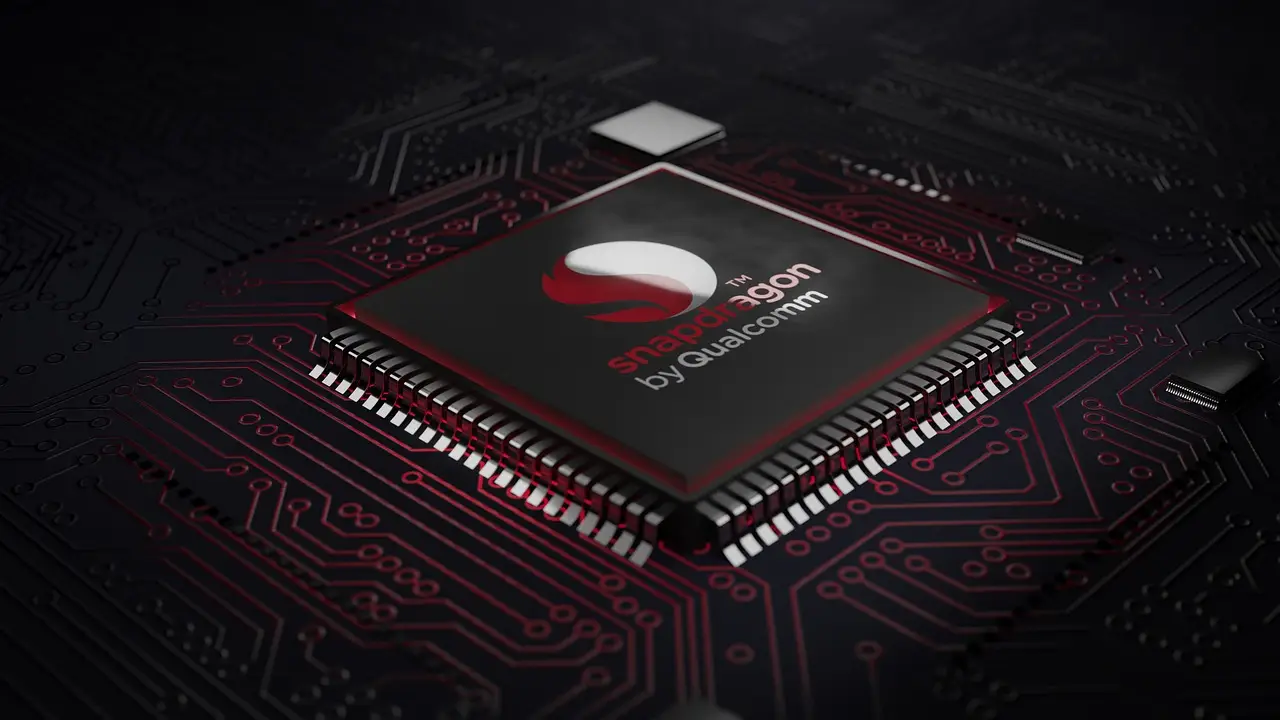
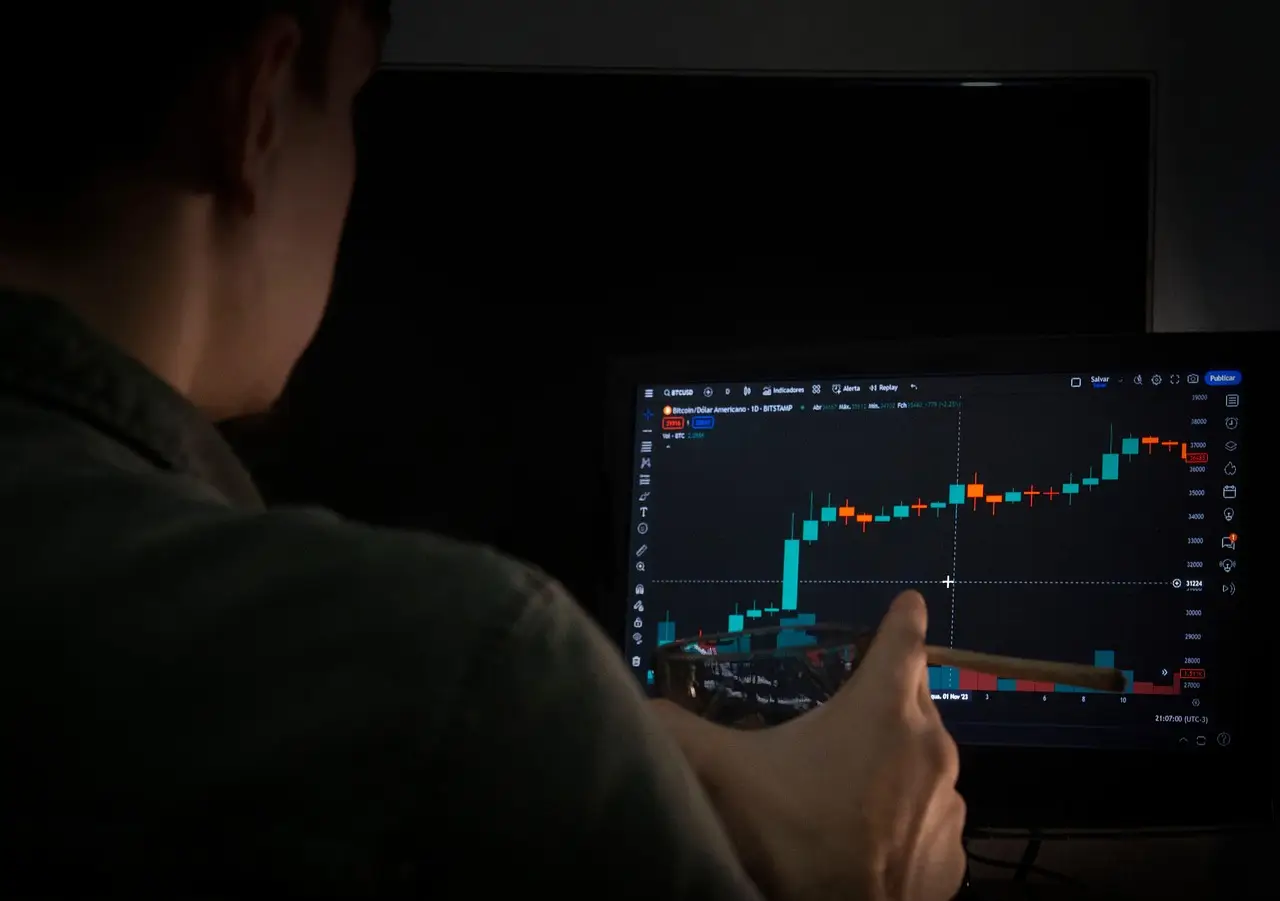
Qualcomm chief executive Cristiano Amon told an investor conference on Thursday, November 12, 2026, that the semiconductor industry faces an “extreme shortage” of wafers, substrate and assembly capacity. The stock barely noticed. Qualcomm (NASDAQ:QCOM) closed at $177.14, up 0.32 percent, for a market value of roughly $189.5 billion.
An after-hours quote of $178.72, up 0.89 percent, can change before Friday's open. The quiet session followed a 13.01 percent gain from the close on November 5, the day the S&P 500 fell 4.4 percent and the Nasdaq fell 4.8 percent. Even after that rally, the shares sit well below their 52-week high of $259.92.
What Did Amon Actually Say?
The shortage remark is Amon's characterization of the industry, and he attached no lead times, no prices and no forecast to it. What Qualcomm has disclosed in filings is narrower and more concrete. The filings show broad-based increases in semiconductor input costs across wafers, packaging and memory, met with price increases whose full benefit should reach QCT gross margins in the second half of fiscal 2027.
Amon maintained his data center revenue targets: $5 billion for fiscal 2027 and $15 billion for fiscal 2029. He said supply limits the upside. Both figures are targets for a product line that only began shipping in October.
Current customers, including Meta Platforms (NASDAQ:META) for CPUs, cover about half of the 2029 goal. Amazon (NASDAQ:AMZN) could buy up to $60 billion of Qualcomm's AI data center products, but that number is a ceiling. No committed amount has been announced.
How Does the Shortage Reach the Margins?
Qualcomm designs chips and pays others to build them. A shortage therefore hands pricing power to wafer, substrate and packaging suppliers. Amon's claim that Qualcomm has the supply it needs means capacity is secured, although he did not say at what cost. In a shortage, cost is the whole question.
The cost already shows in results. QCT's earnings-before-tax margin fell to 24 percent from 29 percent in the fiscal fourth quarter. Management expects custom data center chips to be dilutive to gross margins.
Scale matters too. Handsets produced $5.137 billion of $10.32 billion in fourth-quarter revenue, while data center sales are guided to exceed $650 million for the December quarter. The handset business still carries the company; the data center business is a small line item with large ambitions.
What Did Amon Leave Unsaid?
He named no suppliers, no capacity costs and no new customers. He added that energy projects set the real pace of AI buildouts, which could delay customer deployments as easily as it extends demand.
Energy limits do help his pitch for Dragonfly as a power-efficient alternative to NVIDIA (NASDAQ:NVDA) for inference, meaning the running of trained models. However, NVIDIA remains the incumbent, cloud companies design their own chips, and a supplier with targets to maintain has reason to describe demand as overwhelming. A chief executive short on capacity is rarely short on adjectives.
What Moves the Stock From Here?
At a price-to-earnings ratio of 14 and a dividend yield of 2.03 percent, the valuation mostly reflects a shrinking handset business. It gives little credit to data center targets that current customers already partly cover.
The risks are concrete:
- Reliance on Amazon, whose $60 billion figure is a ceiling rather than a commitment
- Supply limits capping the revenue upside Amon himself acknowledged
- High volatility in the shares
NVIDIA's earnings report is the next test for chip stocks. It is expected November 17 after the close but not yet confirmed. It is also a test for the power, cooling and networking suppliers riding the same expansion.
The deciding test is Qualcomm's next quarterly report. If data center revenue comes in under $650 million, or QCT revenue falls below $9.0 billion, the shortage talk was a warning about timing rather than a demand signal. Either way, the wafer and packaging suppliers hold the pricing power until fiscal 2027 margins arrive.
Source: 247wallst.com
More from Nathan Brooks
Show full bio
Senior reporter covering people, launches and day-to-day practice in Semiconductors, chip manufacturing, hardware, AI compute at Chip Dispatch.
962 articles
Related articles
qualcomm-beats-q4-estimates-shares-fall-10-on-soft-margin-outlook
Qualcomm Beats Q4 Estimates, Shares Fall 10% on Soft Margin Outlook
qualcomm-unveils-ai-chips-to-take-on-nvidia-and-amd-26e13948
Qualcomm Unveils AI Chips to Take On Nvidia and AMD
qualcomm-trades-at-a-premium-to-ai-chip-peers-here-s-why-3410c878
Qualcomm Trades at a Premium to AI Chip Peers. Here's Why
rigetti-ceo-admits-no-quantum-roi-yet-ionq-drops-8-d-wave-5
Rigetti CEO Admits No Quantum ROI Yet; IonQ Drops 8%, D-Wave 5%