Memory & StorageLOT 261122 · 3 min read
Renaissance Technologies Scaled SanDisk Stake 55-Fold to $481 Million
Renaissance Technologies lifted its SanDisk position 55.5-fold to 276,460 shares worth $481 million, as Micron became its largest holding and NAND demand from AI datacenters drove record results.
Key takeaways
- Renaissance grew its SanDisk stake from 4,980 to 276,460 shares, worth $481 million on September 30, 2026.
- Micron was Renaissance's largest disclosed holding at $1.62 billion.
- SanDisk fiscal Q1 2027 revenue hit $11.03 billion, up 377.9% year over year; datacenter revenue rose 61% sequentially to $4.80 billion.
- An 8-for-1 SanDisk stock split took effect November 19, 2026; shares are still up 167.05% year to date.
Renaissance Technologies raised its SanDisk (NASDAQ: SNDK) stake from 4,980 shares at the end of June to 276,460 shares as of September 30, 2026. The quantitative firm disclosed the position in a 13F filed November 12, 2026. The stake grew to roughly 55.5 times its prior share count and was worth $481 million at quarter-end. The filing shows holdings only as of that date. It reveals nothing about what Renaissance owns today.
SanDisk made up about 0.66% of Renaissance's disclosed portfolio. The position remained smaller than Millennium Management's $731 million stake and those of several major institutional investors. The same filing showed additions to other memory and storage names: Micron Technology (NASDAQ: MU), Western Digital (NASDAQ: WDC) and Seagate Technology (NASDAQ: STX). Micron became the firm's largest disclosed holding at $1.62 billion. Renaissance also cut deeply into large-cap leaders such as NVIDIA and other megacap platform names.
Renaissance trades on computer models, so the changes reflect statistical signals rather than published reasoning. The third-quarter rotation pointed toward companies selling memory and storage into the AI buildout.
What drove the move into memory?
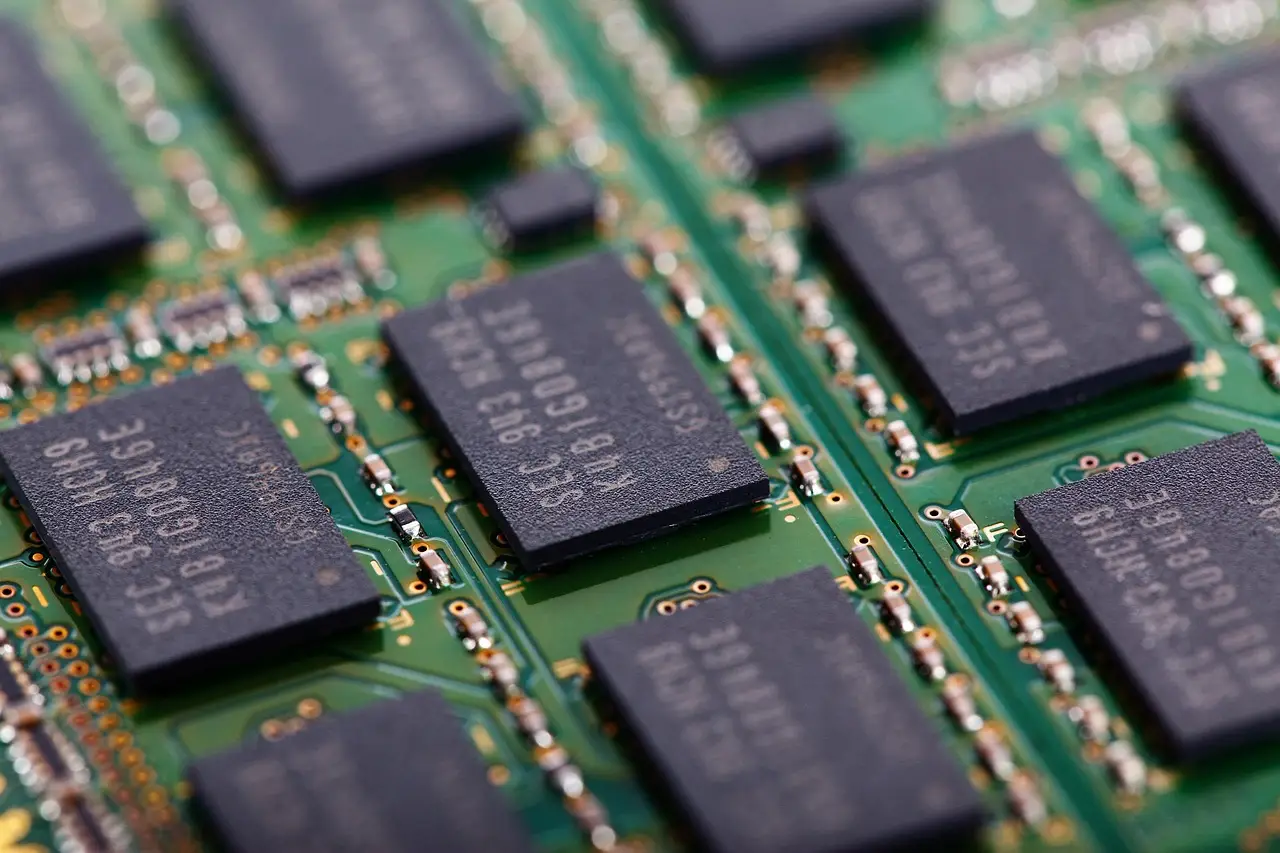
SanDisk designs and manufactures NAND flash memory, the chips that store data in phones, PCs and the solid-state drives inside data center servers. AI systems consume large volumes of training data and generate heavy output, and enterprise SSDs keep that data close to the processors.
The reported numbers support the storage case. In fiscal Q1 2027, reported October 29, 2026, SanDisk posted revenue of $11.03 billion, up 377.9% year over year. Non-GAAP EPS of $49.51 beat the $46.27 consensus. Datacenter revenue rose 61% from the prior quarter to $4.80 billion. GAAP gross margin reached 85.0%. Free cash flow totaled $6.31 billion. Management guided fiscal Q2 revenue to $12.20 billion to $12.60 billion.
Consumer remains the weak segment. Revenue there fell 39% year over year to $397 million. Management also flags swings in NAND pricing, reliance on partner Kioxia, and dependence on a few large customers as risks. GF Securities recently cut its NAND price forecast and warned of a glut, sending SanDisk and Micron shares down 4% in one session.
Why did the stock fall anyway?
An 8-for-1 stock split took effect November 19, 2026, so Renaissance's reported share counts are pre-split numbers. SanDisk closed at $79.24 on November 20. That followed a 16.05% drop in the session, a 28.37% decline over the past week and a 54% slide over the past month.
Despite those losses, the stock remains up 167.05% year to date. A MarketWatch report published the same day said analysts view the bargain-looking valuations of Micron and SanDisk as a red flag. Low earnings multiples often appear near the peak of a memory cycle, when profits run unusually high.
What does a 13F actually tell you?
A 13F shows long stock positions as of quarter-end and arrives about 45 days later. It leaves out hedges, short positions, purchase prices and any trades made after September 30. That delay matters most for a quant fund, which trades constantly.
Renaissance's shift indicates model-driven money rotated toward memory stocks in the third quarter, and SanDisk's results back the AI storage thesis. The more durable signals for investors are SanDisk's datacenter growth, its gross margin and the direction of NAND pricing; copying a position whose current status is unknown tells them far less.
247wallst.com (Source)
More from Grace Kim
Show full bio
Market editor covering people, launches and day-to-day practice in Semiconductors, chip manufacturing, hardware, AI compute at Chip Dispatch.
1,213 articles