Chips & Policy · 3 min read
S&P Puts Nvidia on Downgrade Watch Over Huang Saga
S&P Global Ratings placed Nvidia on downgrade watch, citing board independence, China exposure and key-man risk after Jensen Huang's resignation and reinstatement. A decision is expected within 90 days.
Key takeaways
- S&P Global Ratings placed Nvidia's credit rating on watch for possible downgrade, with a decision expected within 90 days.
- Any downgrade is expected to be limited to one notch unless investigations damage Nvidia's reputation or business prospects.
- Jensen Huang resigned as Nvidia CEO on November 12 and was reinstated by the board on November 23.
- Megaspeed CEO Alice Huang is accused of enabling the smuggling of $7.5 billion worth of AI GPUs into China.
- Huang still faces an internal Nvidia inquiry, a House Select Committee on China meeting, and Senate Banking Committee testimony.
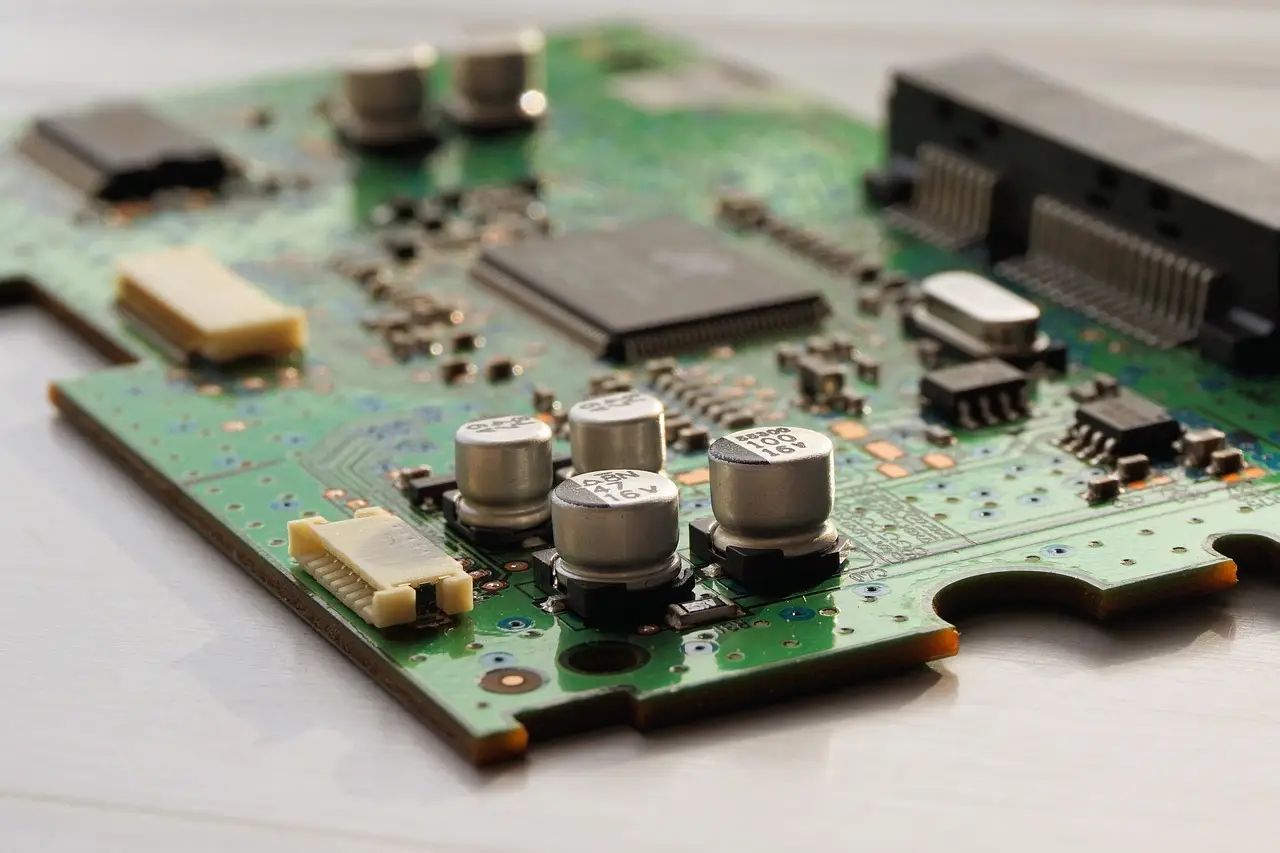
S&P Global Ratings has placed Nvidia's credit rating on watch for a possible downgrade, giving the agency 90 days to decide how much damage Jensen Huang's resignation, reinstatement and mounting export-control investigations have done to the company's risk profile.
The agency minced few words. "We believe the long tenure of certain board members may have compromised their independence," S&P said in its press release. It went further, arguing that the departure and return of the CEO "does not sufficiently answer our questions regarding board oversight of executive code of conduct."
Why did S&P act now?
The trigger was an extraordinary eleven days. Huang, Nvidia's founder and CEO, resigned on November 12 after multiple allegations of affairs — most prominently involving Megaspeed CEO Alice Huang, who is herself accused of enabling the smuggling of $7.5 billion worth of AI GPUs into China in violation of export controls. On November 23, the board brought him back.
That reversal stunned observers. The board had previously refused to reinstate Huang while a national security investigation into him was ongoing. It changed course, it said, after it "received input from senior levels of the United States" stating that "Mr. Huang's reinstatement poses no national security risk." President Donald Trump said he had talked to the board directly.
The pressure worked. The investigations did not stop. Huang still faces an internal Nvidia inquiry, a private meeting with the House of Representatives' Select Committee on China, and public testimony before the Senate Banking Committee, among others.
What does the downgrade risk look like?
S&P expects to conclude its due diligence within 90 days. Any downgrade, the agency said, would likely "be limited to one notch, unless investigations or disclosures lead us to believe Nvidia's reputation or future business prospects have been harmed."
The agency framed the problem in three parts:
- Board independence compromised by long-tenured members
- Geopolitical risk management and internal controls questioned over China exposure
- "Key man" risk elevated by weak executive oversight and a lack of succession planning
S&P did acknowledge the counterweight: "Nvidia management has delivered significant returns for its stakeholders over decades." It just doesn't think that track record answers the governance questions now on the table.
How much does the market actually care?
Nvidia's risk profile is formally unchanged for now. But the warning signals unease about two things investors can't easily price: stricter export controls on AI chips and the allegations of large-scale chip diversion into China.
The $7.5 billion smuggling figure attached to the Megaspeed allegations gives that unease a concrete anchor. When a rating agency cites a company's China exposure as a governance and internal-controls question — not merely a commercial one — the stakes extend beyond a single notch of credit.
A one-notch downgrade, if it comes, would be contained. The open question is what the Senate Banking Committee testimony, the House Select Committee meeting and Nvidia's internal inquiry surface in the meantime. S&P has told the market it is watching what those investigations produce — and Nvidia has 90 days to show its board, not its founder, is really in charge.
Tom's Hardware (Source)
More from Rebecca Stone
Show full bio
Correspondent covering technology and product news in Semiconductors, chip manufacturing, hardware, AI compute at Chip Dispatch.
1,340 articles