Chip Manufacturing · 3 min read
Samsung and DB HiTek push new 8-inch price hikes as AI demand fills lines
Samsung and DB HiTek are pursuing fresh 8-inch foundry price rises as AI power chip demand pushes 200mm utilization to near 100% and global mature-node capacity heads for a 2.4% decline.
Key takeaways
- 8-inch foundry lines in Korea and abroad are at or near 100% utilization, ETNews reported on Nov. 26, 2026 coverage cycle
- TrendForce projects global 8-inch capacity to fall about 2.4% in 2026, with utilization rising from 75-80% to 85-90%
- DB HiTek raised prices in March and July 2026 and plans a third increase for Chinese customers this year
- Samsung ran about 300,000 8-inch wafers a month and aims to exit 8-inch foundry by end of 2029
- Some foundries have told customers of planned increases of 5% to 20%, TrendForce said in January
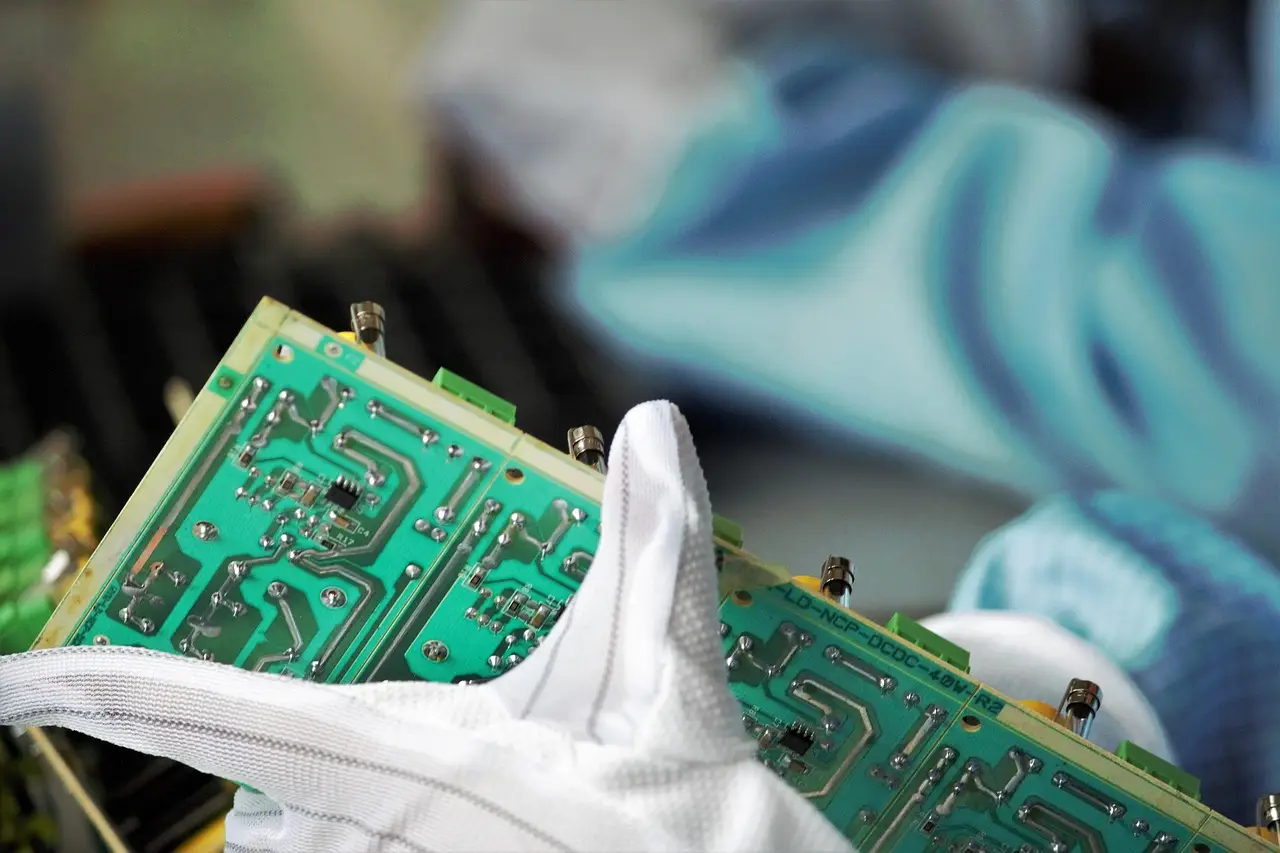
Korea's 8-inch foundry lines are running at or close to 100% utilization, and Samsung Electronics and DB HiTek are pursuing across-the-board price rises for 200mm wafer production, ETNews reported on Nov. 26. DigiTimes reported the same day that demand for power chips used in AI data centers is the force behind the squeeze.
"We are effectively running the entire line, and some products have entered full-operation mode," a Korean industry official told ETNews. The new increases are expected to center on BCD and MOSFET processes for power semiconductors. Neither outlet gave a percentage figure.
Why is 8-inch capacity so tight?
8-inch fabs run mature processes from 350nm to 90nm and produce power management ICs, microcontrollers, display drivers and sensors. AI data center spending is lifting demand for power semiconductors while consumer electronics and smartphone demand has slowed. Some customers are now booking lines early, fearing capacity will go to AI data center chips instead.
The price pressure is not confined to Korea. Taiwan's Vanguard International Semiconductor (VIS) and China's SMIC raised prices earlier this year and are negotiating further increases, ETNews reported, citing TrendForce.
Supply is shrinking at the same time. TrendForce said in January that global 8-inch capacity would fall about 2.4% in 2026 as TSMC and Samsung cut lines, and that average utilization would rise from 75-80% in 2025 to 85-90% next year. Some foundries have already told customers of planned increases of 5% to 20%.
What is Samsung doing with its 200mm business?
Samsung ran about 300,000 8-inch wafers a month, ETNews reported, and is cutting back as it shifts capacity toward high-bandwidth memory. Dealsite reported that Samsung now aims to exit the 8-inch foundry business by the end of 2029, a year earlier than previously reported.
That retreat removes one of the larger suppliers from the mature-node market just as utilization peaks. The exit is a roadmap statement rather than a done deal, but the direction is clear.
How far has DB HiTek already gone?
DB HiTek raised foundry prices twice this year, in March and July, and plans a third increase for Chinese customers within the year, followed by staggered rises for customers in other regions, Dealsite reported on Nov. 16. The company's capacity stands at 154,000 wafers a month, with plans to reach 165,000 next year and 200,000 by 2028. Its focus is high-voltage BCD for AI data centers, robots and cars.
KB Securities expects another increase at the end of 2026 and two more in 2027. For a foundry of that size, four rises in roughly two years amounts to a steady repricing of the entire book.
What about SK keyfoundry?
SK keyfoundry has not raised prices yet, ETNews reported, but may change its policy if demand keeps growing. That leaves it as the one Korean 200mm holdout, and holdouts rarely last long in a sold-out market.
The squeeze adds to price pressure across older-node and memory chips generally. With capacity falling 2.4% while utilization climbs toward 90%, buyers of power management ICs should expect the 5-20% increase range quoted to TrendForce to hold, or widen.
mlq.ai (Source)
More from Nathan Brooks
Show full bio
Senior reporter covering people, launches and day-to-day practice in Semiconductors, chip manufacturing, hardware, AI compute at Chip Dispatch.
1,287 articles