Consumer Tech · 3 min read
Samsung to Skip Galaxy Watch in 2027, Move to Two-Year Cycle
Samsung will skip its 2027 Galaxy Watch and move to a two-year release cycle, ETNews reports, after two losing mobile quarters and soft Watch 9 sales blamed partly on a $30 price hike.
Key takeaways
- Samsung will release no new Galaxy Watch in 2027; the next model comes in 2028, ETNews reported Nov. 20.
- Samsung has shipped a Galaxy Watch every year since 2018 and has not confirmed the report.
- The move follows two consecutive quarters of losses in Samsung's mobile division.
- Galaxy Watch 9 prices rose $30 this year, with the 40mm model starting at $379.
- Samsung plans software updates and enhanced health features for 2027 instead of new hardware.
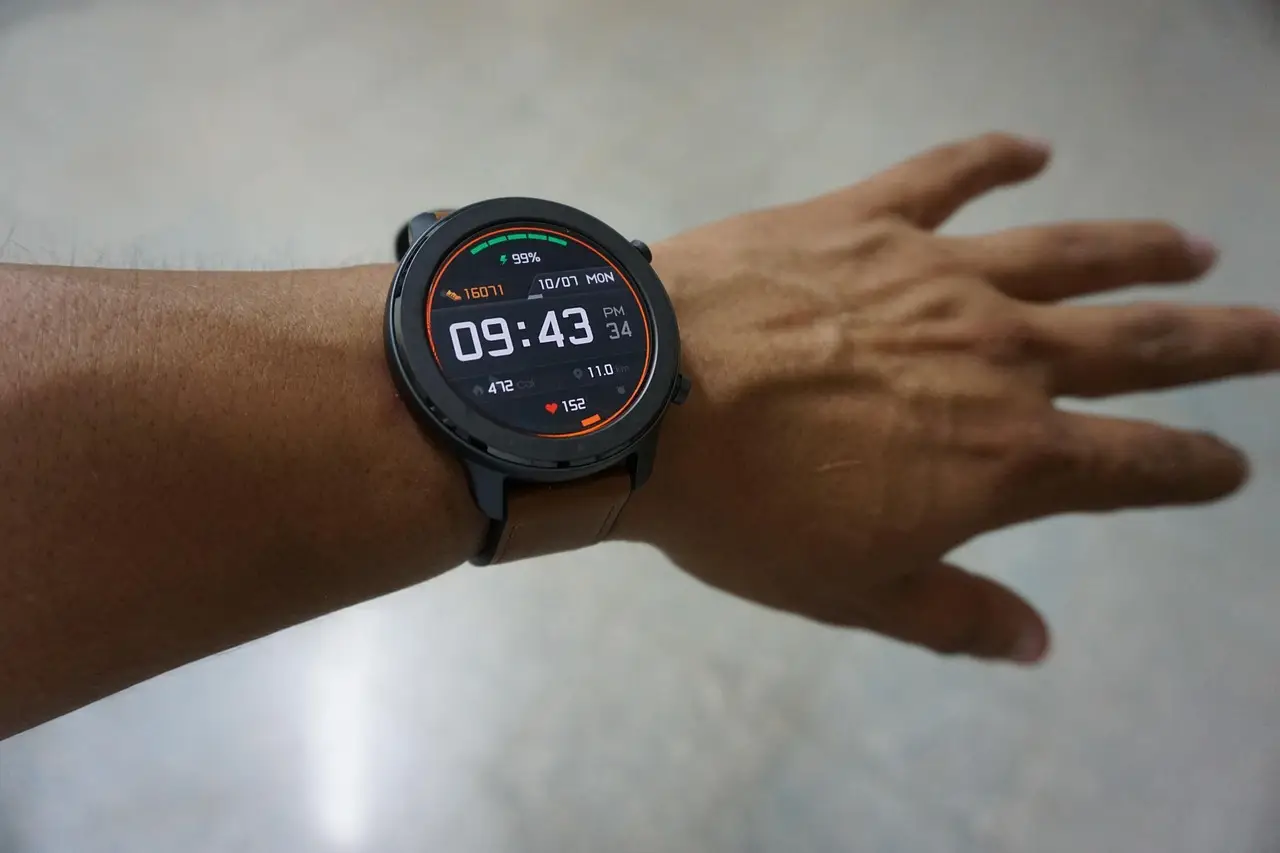
Samsung will release no new Galaxy Watch in 2027, breaking an annual cadence it has held since 2018, South Korea's ETNews reported on Nov. 20. The skipped model would likely have carried the Galaxy Watch 10 name. The next watch, per the report, arrives in 2028.
Samsung has not confirmed the plan. The report, relayed by 9to5Google, is a single-outlet account, and the company has declined to comment. That caveat matters; Samsung's product roadmaps have survived rumors before.
What does the pause follow?
The reported decision sits against an uncomfortable backdrop. ETNews said Samsung is "undertaking a structural overhaul to strengthen profitability" after two consecutive quarters of losses in its mobile division. A watch line that sells below expectations is an easy line item to trim.
The report described the Galaxy Watch as being in a "mature phase" of the smartwatch market. In plainer terms, the annual upgrade has stopped persuading buyers. Galaxy Watch 9 sales fell short of expectations, the report said, with the higher price a possible part of the cause.
What did pricing do?
The arithmetic is not subtle. Samsung raised Galaxy Watch 9 prices by $30 across the board this year, putting the 40mm model at a $379 starting point. Android Central had expected a similar increase for a Galaxy Watch 10, since the memory shortage that has pushed up device prices continues into 2027.
That shortage is not a Samsung-specific problem. Valve warned last week that memory costs could push Steam Machine prices higher, as MLQ reported. When component inflation meets a maturing category, the margin math for an annual refresh turns ugly. Skipping a generation is one way to avoid passing a second price hike to customers who already balked at the first.
What fills the gap in 2027?
Not hardware, per the report. Samsung plans Galaxy Watch software updates and enhanced health features for 2027 instead. That approach keeps the installed base engaged, and it costs a good deal less than a new chassis, a new chipset and a launch campaign.
The timing also fits a broader reshuffle. The report lands days after Samsung named new heads for its memory, System LSI and mobile businesses, as MLQ reported. New leadership, two losing quarters and a Watch line in its mature phase form a coherent picture, whether or not Samsung ever confirms it.
Is the two-year cycle the new normal?
If ETNews is right, 2028 becomes the first even-year Galaxy Watch launch since the line's early rhythm settled into its annual groove in 2018. The move would put Samsung's watch cadence closer to the leisurely pace of premium wearables elsewhere, rather than the phone-style yearly treadmill.
The commercial logic is straightforward. A skipped generation trades one year of watch revenue for a chance to reset pricing, absorb memory-cost pressure and arrive in 2028 with hardware that justifies itself. Whether buyers wait two years for a watch, or simply drift to whatever ships meanwhile, is the question Samsung's new mobile leadership will now have to answer.
mlq.ai (Source)
More from Nathan Brooks
Show full bio
Senior reporter covering people, launches and day-to-day practice in Semiconductors, chip manufacturing, hardware, AI compute at Chip Dispatch.
1,234 articles