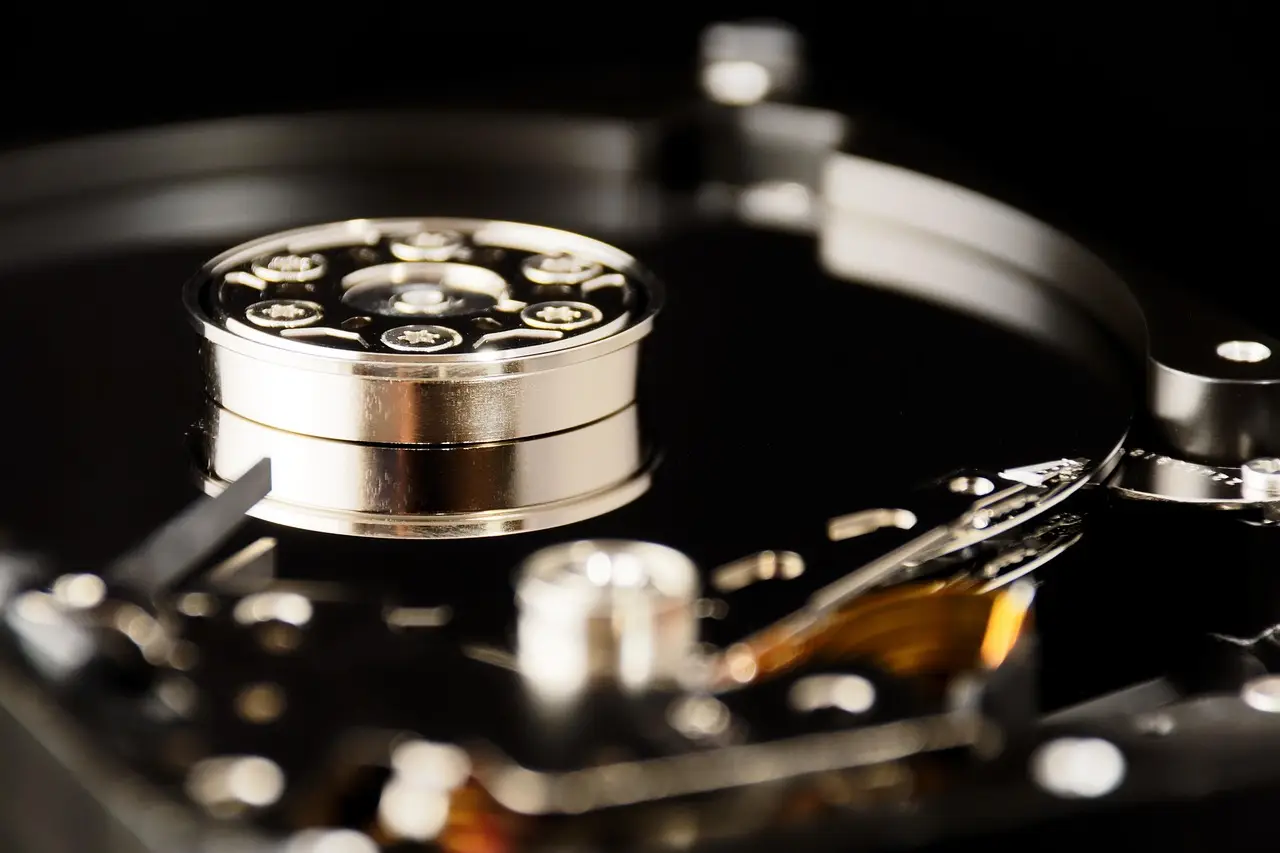
Seagate Jumps 9% as CoreWeave Results Revive the AI Storage Trade
Seagate rose 9% to $547.36 after CoreWeave beat Q3 expectations and pledged contract-backed financing, reviving memory stocks battered by a month of losses.
- By
- Nathan Brooks
- Filed
- Channel
- Memory & Storage
- Read
- 4 min read
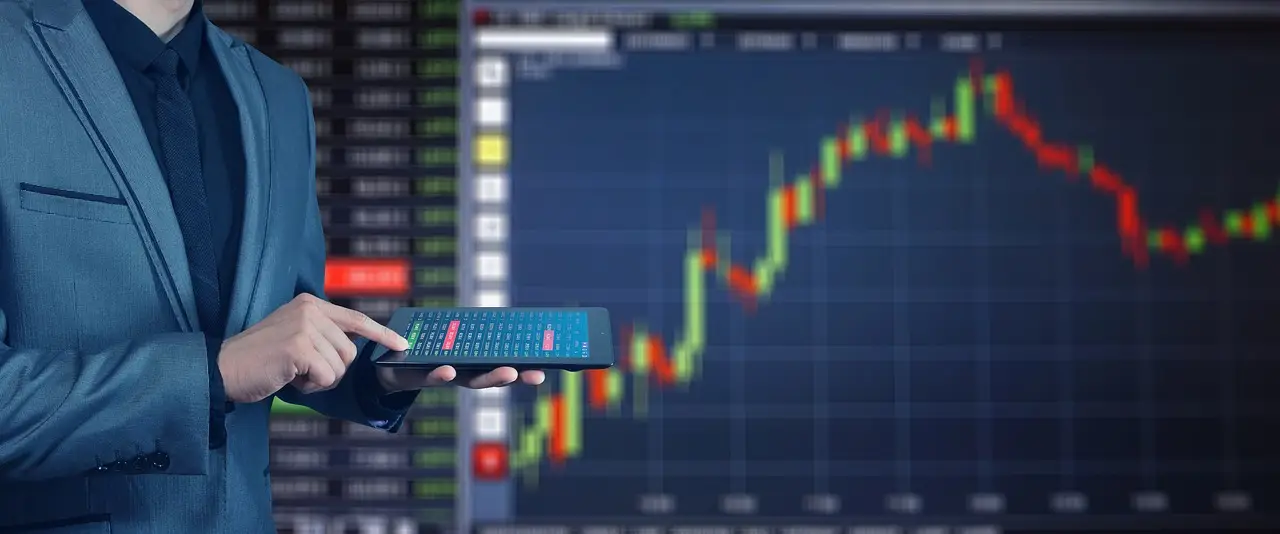
Seagate Technology stock rose 9% to $547.36 in morning trading, leading a relief rally across memory and storage names after AI cloud provider CoreWeave beat expectations and raised its 2026 guidance. The gain recovers only part of the damage: Seagate remains down 30% over the past month.
Sandisk climbed 8% to $932.63, and Micron Technology added 7% to $775.76. Western Digital, Seagate's closest peer and the other U.S. pure-play hard drive maker, also drew attention as investors watched whether the buying spreads across the storage group.
The trigger was financing, not chips. After the close on November 10, CoreWeave reported Q3 2026 results that beat expectations and raised its 2026 guidance. More importantly, the company said it will rely mainly on contract-backed financing and customer prepayments rather than unsecured debt at current yields. That eased fears about how AI infrastructure spending gets funded, and it lifted chip, memory and data center infrastructure stocks together.
What does CoreWeave's funding plan mean for storage?
The link to Seagate is direct. AI cloud buildouts drive demand for high-bandwidth memory, flash storage and high-capacity hard drives, and hyperscalers need somewhere to keep the data their clusters generate. Seagate's fundamentals going into the selloff were strong: on October 27 the company reported Q1 FY2027 revenue of $4.23 billion, up 61% year over year, with adjusted earnings per share of $7.68. Its Q2 FY2027 guidance calls for revenue of $4.80 billion, plus or minus $100 million.
Seagate chair and CEO Dave Mosley put the demand case plainly on the October 27 call: "Data creation, retention, and reuse are compounding demand for mass capacity storage."
Analysts read the rally as valuation-driven rather than euphoric. Berenberg analyst Ulrich Urbahn asserted the AI trade is recovering on hard demand evidence, noting that "Investors are buying back into positions with valuations now considerably lower."
How do Seagate, Sandisk and Micron differ?
The three names sell into the same AI buildout through different layers of the storage stack.
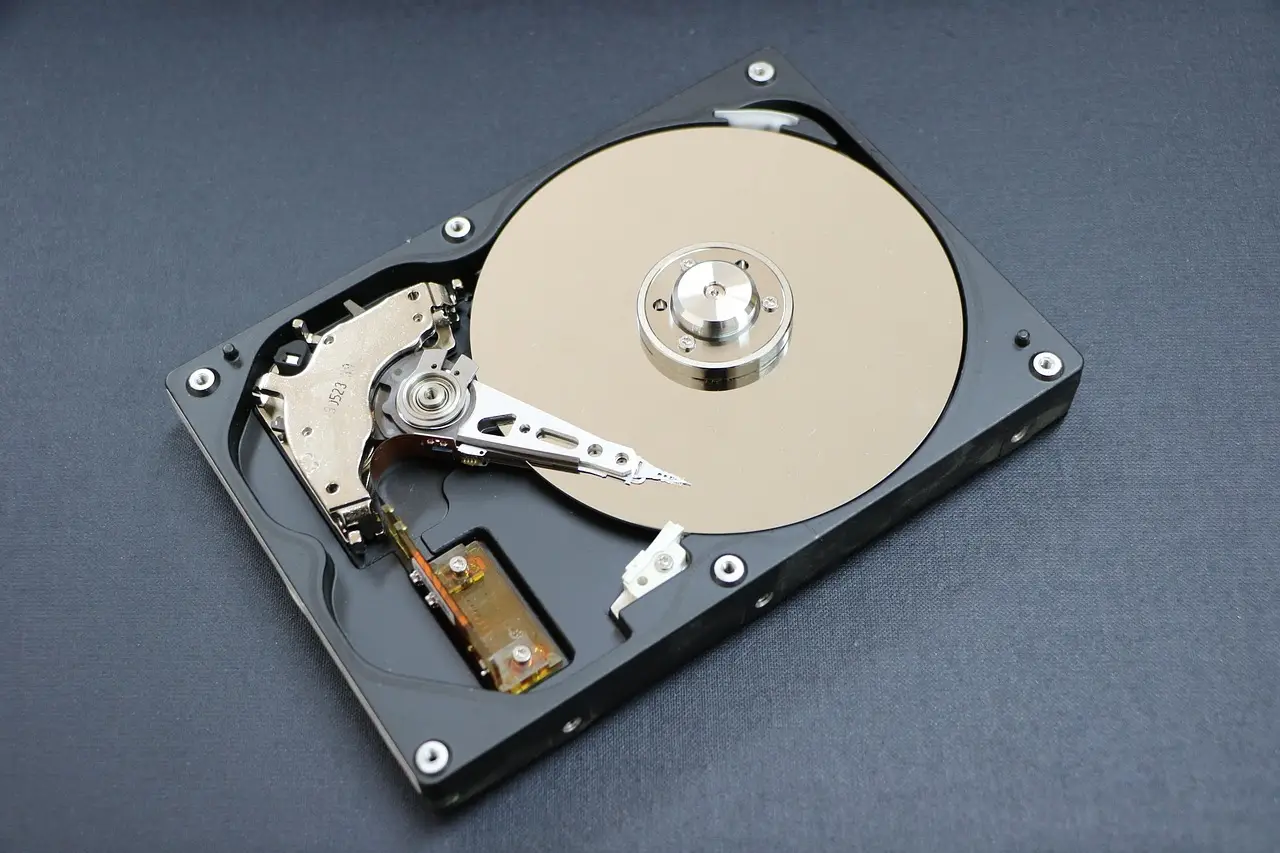
- Seagate and Western Digital sell mass-capacity nearline drives that hold the bulk of hyperscaler data. Seagate's main technology lever is heat-assisted magnetic recording (HAMR) through its Mozaic platform, which packs more capacity onto each disk and supports margin expansion. Western Digital is preparing its own HAMR products.
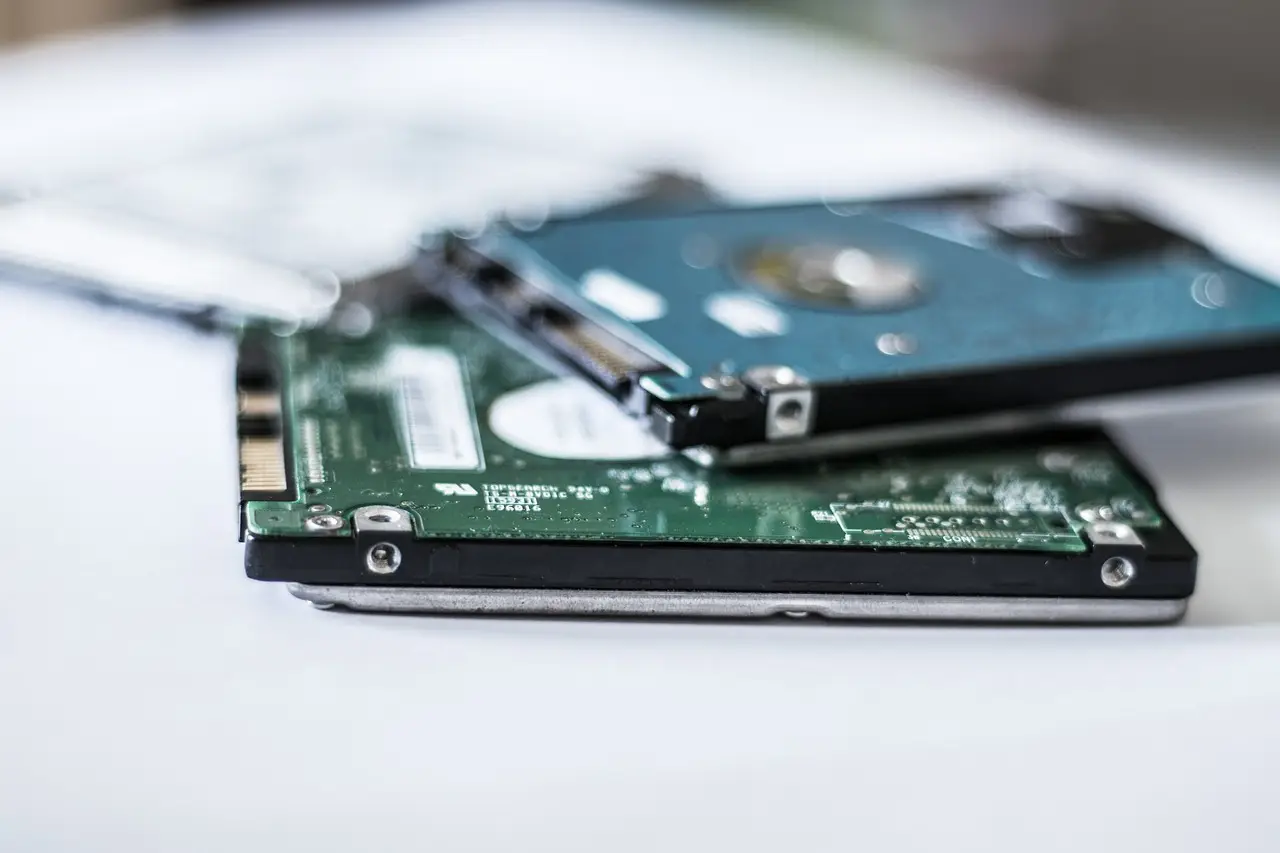
- Sandisk sells NAND flash, the chips inside solid-state drives, and was spun out of the former Western Digital as a pure-play flash supplier. Its stock carried the biggest losses into the rebound, down 41% over the past month. An 8-for-1 forward stock split takes effect November 19.
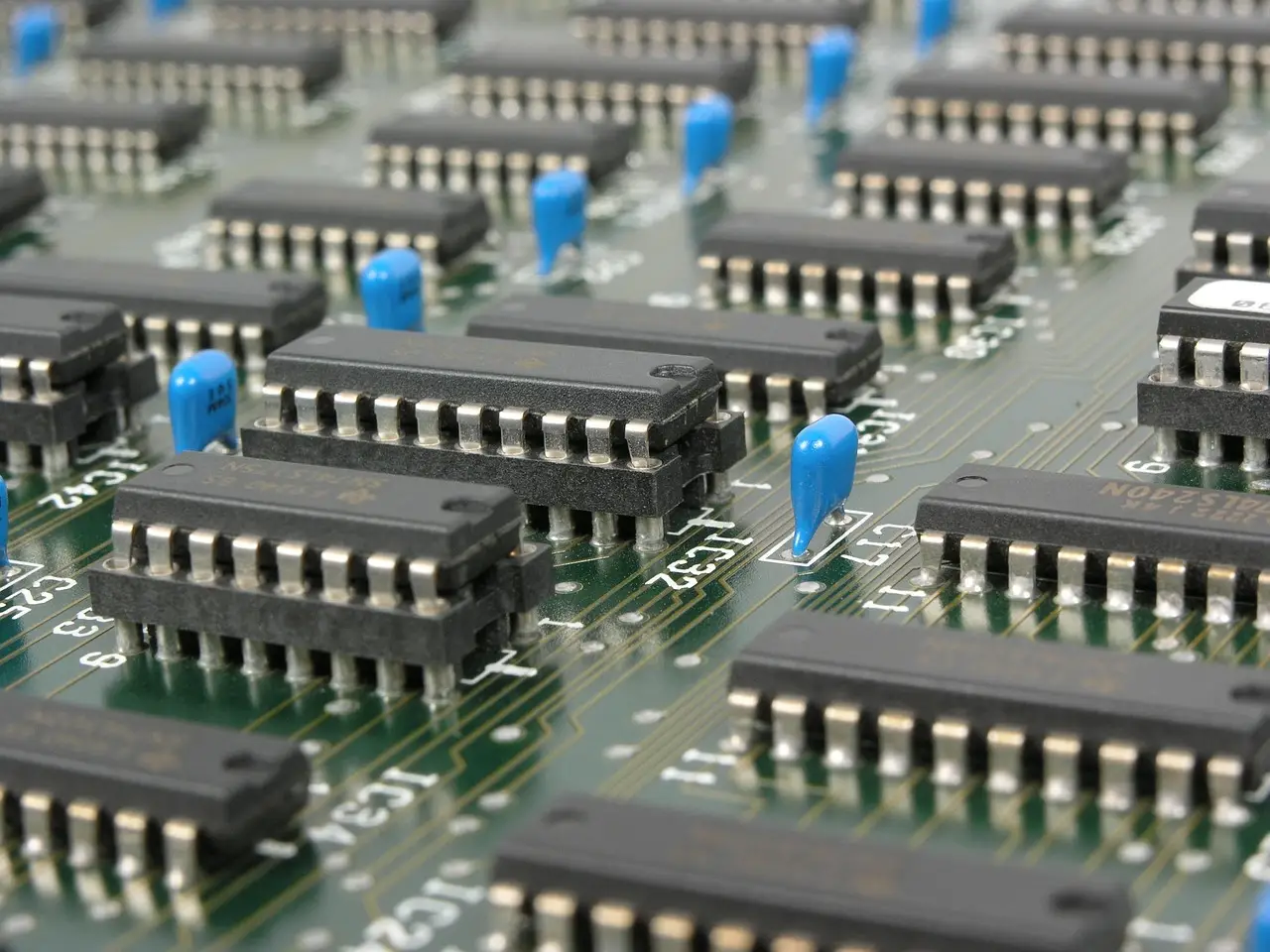
- Micron is the widest memory player of the group, spanning DRAM, high-bandwidth memory for AI accelerators and NAND. Its monthly decline of 25% was shallower than Seagate's, but it enters the bounce with one less high-profile endorsement: Bank of America removed Micron from its US 1 List on November 10.
The chipmakers sell faster, pricier memory and storage. Seagate's hard drives serve as the low-cost layer for data that AI systems keep and reuse.
Can the rally outlast the funding debate?
Goldman Sachs analyst James Schneider called AI stocks "clearly in oversold territory," but he raised concerns about how AI companies finance capital expenditure beyond free cash flow, and whether enough land, power and data center capacity will be available. He also said catalysts for a sustained rally may be limited before year-end.
The macro backdrop offers no help. NASDAQ 100 futures point higher, but Chicago Fed President Austan Goolsbee described the latest inflation report as "borderline disturbing" as the Fed weighs more rate hikes.
For Seagate specifically, the question is whether CoreWeave's funding plan holds up and keeps hyperscaler orders flowing. The optimists' case rests on Seagate's long-term supply agreements, which allocate the vast majority of its nearline supply through calendar 2028. The bears' case is simple: one strong CoreWeave quarter does not settle the funding question.
Investors will find the next signal in hyperscaler capital spending updates, which will show whether storage demand keeps growing. Until that evidence arrives, the rally is a bet on financing structures rather than on fresh orders.
Source: 247wallst.com
More from Nathan Brooks
Show full bio
Senior reporter covering people, launches and day-to-day practice in Semiconductors, chip manufacturing, hardware, AI compute at Chip Dispatch.
844 articles
Related articles
seagate-posts-record-4-8b-quarter-as-hamr-drives-hyperscaler-demand
Seagate Posts Record $4.8B Quarter as HAMR Drives Hyperscaler Demand
coreweave-jumps-11-on-raised-outlook-dragging-chip-stocks-higher
CoreWeave Jumps 11% on Raised 2026 Outlook, Dragging Chip Stocks Higher
seagate-s-report-ssds-cost-6-5x-more-per-terabyte-than-disk-c491bdee
Seagate's 2026 Report: SSDs Cost 6.5x More Per Terabyte Than Disk
micron-rises-6-before-a-35-16-billion-buyback-starts
Micron Rises 6% Before a $35.16 Billion Buyback Starts December 9