Memory & Storage · 4 min read
SK hynix Rides an 80% Margin Wave Investors Refuse to Trust
SK hynix posts an 80% operating margin, yet SKHY trades at 2.6x projected 2028 earnings. An ADR premium collapse from 59% to 24% has amplified the selling.
Key takeaways
- SKHY's ADR premium fell from 59% to 24% in under two weeks
- More than half of SK hynix 2027–28 capacity is under contract, per the analysis
- SKHY trades at 2.6x projected 2028 earnings; author's $181 target implies ~47% upside after a 25% earnings cut
- Wall Street consensus sees roughly 110% upside for SKHY
- The author discloses a long position in SKHY
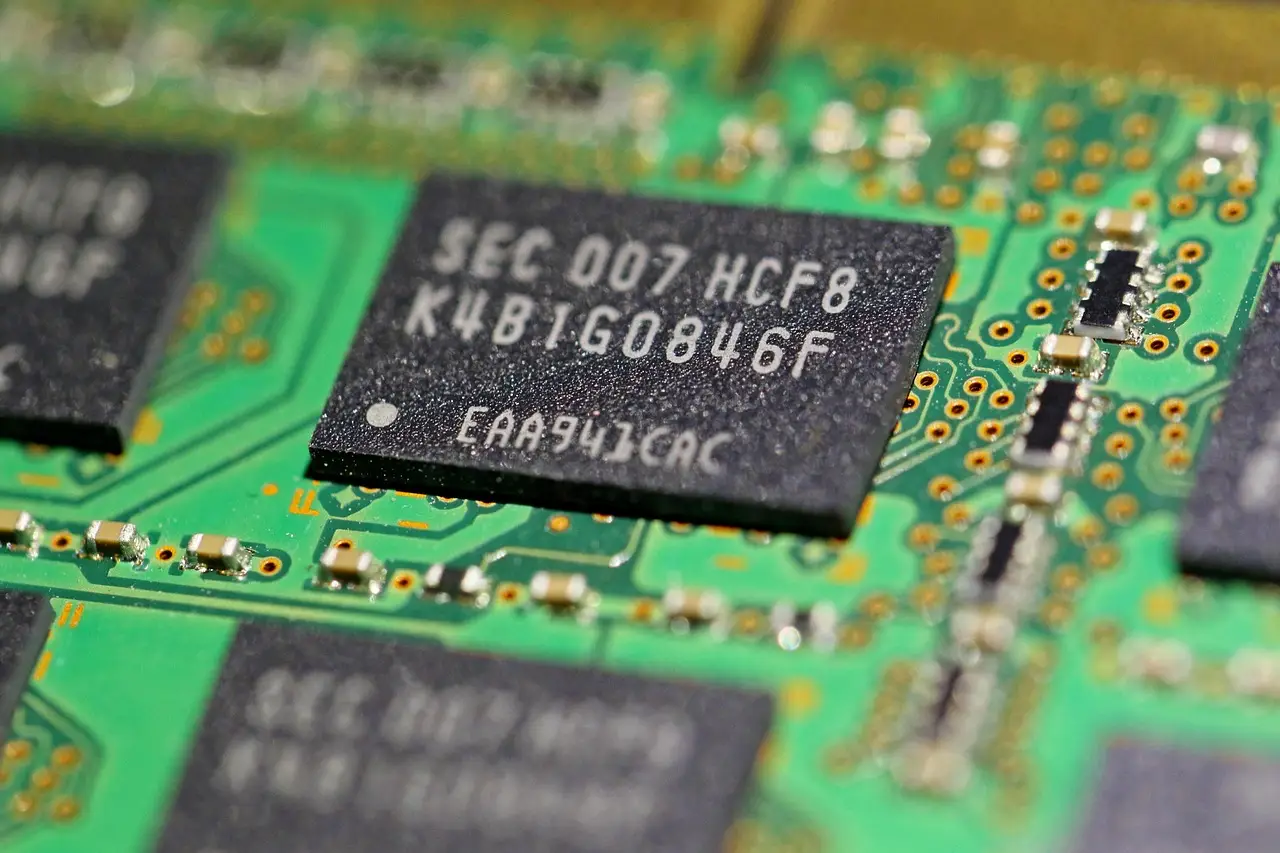
SK hynix is posting an 80% operating margin, and the market's response has been to sell. That is the core tension in a new Seeking Alpha analysis of SKHY, which argues the memory maker trades at 2.6x projected 2028 earnings while investors brace for the end of the AI-driven memory supercycle.
The author, who discloses a beneficial long position in SKHY through stock, options or other derivatives, puts a $181 price target on the shares. That target implies roughly 47% upside, and it survives a 25% haircut to earnings estimates. Wall Street consensus is more bullish still, seeing roughly 110% upside for SKHY. The market, by contrast, appears focused on a different question: what happens when the memory party ends.
What is driving the pessimism?
The article identifies a "perfect storm" of three pressures, only some of them fundamental.
- Renewewed fears that the memory supercycle is ending, reviving what the author calls the sector's "old ghost" of cyclicality.
- Outflows from Korean stocks, which have hit shares regardless of company performance.
- A collapse in the ADR premium, which compressed from 59% to 24% in less than two weeks.
That last point deserves scrutiny. An ADR premium shrinking by 35 percentage points in two weeks is a technical event, not a demand signal. The author's argument rests on it: not all the selling is about fundamentals. No customer cancellations, no capacity reductions and no pricing data appear anywhere in the piece to support the bear case. What is not said is as telling as what is.
The premium collapse adds selling pressure that has little to do with how much HBM SK hynix ships or at what price. Investors should treat the distinction carefully, because the author does. The claim is plausible but unquantified — the article offers no breakdown of how much of the recent decline stems from ADR mechanics versus genuine reassessment.
Why does the author think the downturn will differ this time?
The strongest concrete claim in the analysis concerns forward contracts. More than half of SK hynix capacity for 2027 and 2028 is already under contract, according to the author. If accurate, that locks in revenue across the period when a cyclical downturn would normally bite hardest.
An 80% operating margin, the author concedes, will not last forever. Memory margins historically mean-revert violently; that is the pattern that haunts every memory investment case. The counterargument here is structural rather than cyclical: contracted capacity changes the shape of any downturn, converting a cliff into a slope, because committed volumes do not reprice instantly.
Two caveats follow, and the author supplies only one of them. Contract terms remain undisclosed, so duration, pricing floors and cancellation clauses are unknown. The second caveat is the author's own: the disclosure shows a personal financial stake in the outcome, which colors every promise the thesis makes.
Is the valuation actually cheap?
At 2.6x projected 2028 earnings, SKHY sits far below where leading AI-exposed semiconductors typically change hands. The author's $181 target embeds a margin for error: apply a 25% cut to projected earnings and the target still implies roughly 47% upside, against roughly 110% upside on the uncut base.
The arithmetic is straightforward. The assumptions underneath it are not. Projected 2028 earnings for a memory maker require forecasting pricing two years forward in a sector where margins swing from 80% to negative across cycles. The multiple is a fact; the earnings inside it are an estimate.
The author also stresses the distinction between the supercycle ending and the business deteriorating. Those are separate events, and the market has conflated them, the piece argues. Again, no demand data supports the separation — only the contract figure and the margin number.
What should readers weigh?
The article was self-authored and uncompensated beyond Seeking Alpha's platform payment, according to its disclosures. The author holds no business relationship with any company mentioned. Seeking Alpha notes its analysts include both professional and individual investors, some without licenses or certifications from any institute or regulatory body.
The bull case reduces to three numbers: 80% operating margins, more than half of 2027–28 capacity under contract, and a 2.6x multiple on 2028 estimates. The bear case reduces to one pattern: memory cycles always end, and an 80% margin gives the industry every incentive to add supply until it does.
Past performance, as the standard disclaimer reads, is no guarantee of future results. Investors weighing SKHY must decide whether contracted capacity has genuinely changed the cycle's mechanics, or whether the old ghost simply has not arrived yet. The author's own position, disclosed at the top, tells you which way he has bet.
seekingalpha.com (Source)
More from Sophie Lindqvist
Show full bio
News editor covering money, funding and market shifts around Semiconductors, chip manufacturing, hardware, AI compute at Chip Dispatch.
1,306 articles