AI & ComputeLOT 261122 · 4 min read
SpaceX Falls 5% Below IPO Price on $32 Billion Chip-Backed Bond Deal
SpaceX fell 5% to $131.16, below its IPO price, as reports questioned a $40 billion financing package that includes $32 billion in bonds funding NVIDIA processors.
Key takeaways
- SpaceX stock fell 5% to $131.16, below its IPO price, extending an 11% decline over the past month.
- SpaceX raised $32 billion in bonds to buy NVIDIA chips within a $40 billion package that includes bank loans and a five-year processor lease.
- Lenders reportedly tried to restrict launching the NVIDIA chip collateral into space; it is unclear whether the restriction reached final terms.
- SpaceX AI Solutions & Infrastructure revenue reached $7.60 billion in Q3 2026, up 830% year over year.
- Rocket Lab reported record Q3 revenue of $267.83 million and a $3.57 billion backlog; AST SpaceMobile reaffirmed $150 million to $200 million FY2026 guidance on November 9.
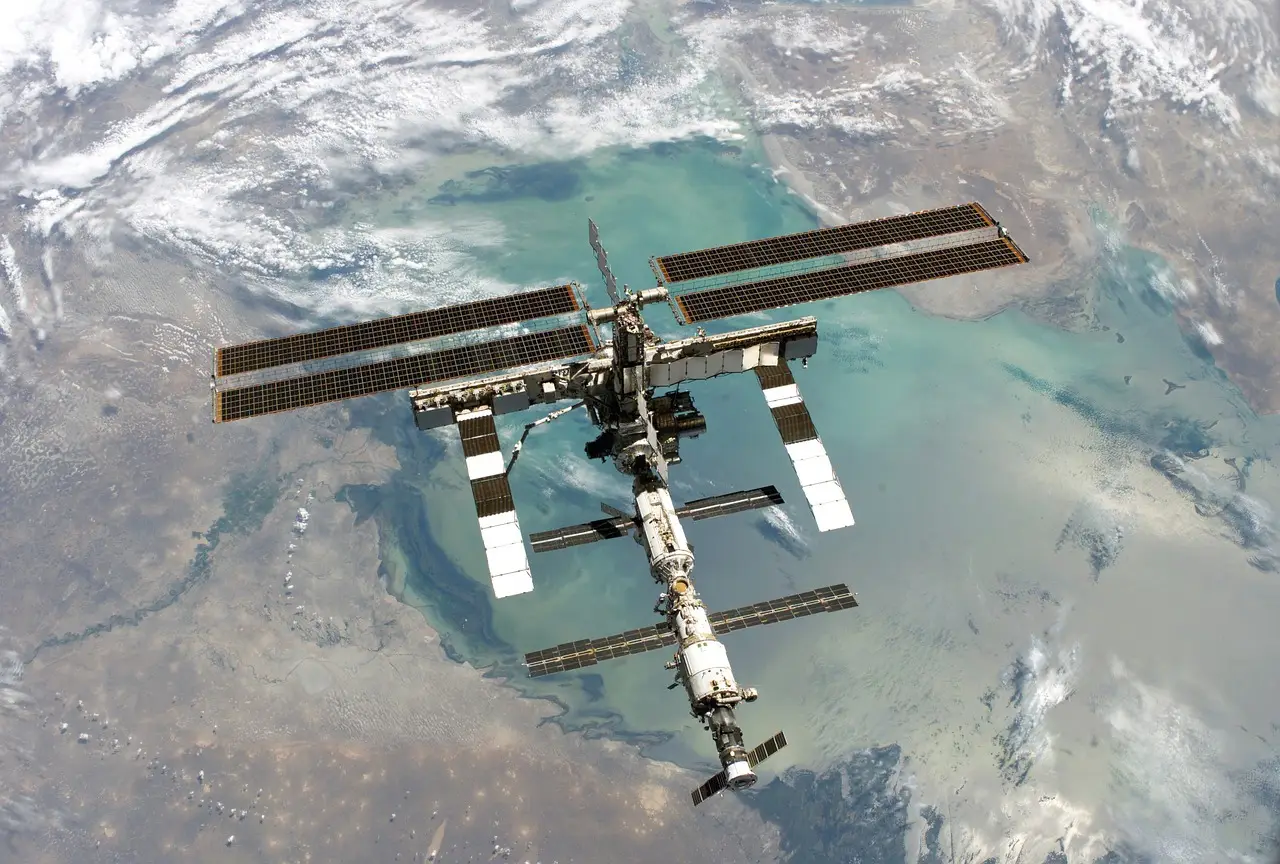
SpaceX stock fell 5% to $131.16 in morning trading on November 20, breaking below its IPO price as investors weighed reports on the terms of a $40 billion financing package that includes $32 billion in bonds earmarked for NVIDIA chips.
The decline extends an 11% drop over the past month. Two press reports on the financing behind Elon Musk's AI chip plans drove the selling, and the broader AI trade fell alongside it.
What did the reports say about the chip financing?
The Financial Times reported, citing people familiar with the matter, that lenders backing SpaceX's debt package "tried to restrict Musk from launching the NVIDIA chips securing the financing into space." Those lenders feared they could not recover and resell the chips if SpaceX defaulted. It remains unclear whether the restrictions made it into the final agreement.
Bloomberg reported that SpaceX raised $32 billion in bonds to buy AI chips. That bond sale forms part of a $40 billion package that also includes bank loans, and the money funds a five-year lease of NVIDIA processors. Goldman Sachs arranged the three-part deal with Apollo Global Management. PIMCO joined several large funds that bought into the SpaceX debt.
The financing broke down like this:
- $32 billion in bonds sold to purchase AI chips
- $40 billion total package, including bank loans
- Five-year lease of NVIDIA processors funded by the proceeds
- Goldman Sachs and Apollo Global Management as arrangers, PIMCO among the buyers
- Largest tranche of the chip-backed notes "paid a yield well above the average for U.S. investment-grade corporate bonds," according to Bloomberg
Bond buyers charged SpaceX extra because of the unusual structure and the AI infrastructure risk attached to it.
How does this connect to the AI trade?
SpaceX's AI Solutions & Infrastructure segment posted $7.60 billion in Q3 2026 revenue, up 830% year over year. Growth in that business underpins the valuation. The wider sell-off added pressure, with the NASDAQ 100 down 1% and technology the weakest sector.
Another 24/7 Wall St. report put the three-week decline in AI stocks at $5 trillion and said hedge funds turned underweight AI for the first time since 2023. Investor Ray Dalio has warned of an AI-fueled $4.4 trillion debt crisis.
Wall Street's unease about debt-funded AI spending has been building, and a major U.S. bank warned last week that heavy tech borrowing was straining demand for corporate bonds. SpaceX now sits at the center of that financing debate.
How do Rocket Lab and AST SpaceMobile compare?
Rocket Lab traded at $49.67, down 3%, a smaller decline than SpaceX's. On November 9, the company reported record third-quarter revenue of $267.83 million, up 72.7% year over year, alongside a record $3.57 billion backlog.
AST SpaceMobile traded at $25.18, down 1%, the mildest drop among the three names. Management reaffirmed full-year 2026 revenue guidance of $150 million to $200 million on November 9, even as the stock sits 65% lower year to date.
What does each company actually sell?
SpaceX runs a vertically integrated business pairing Falcon and Starship launches with Starlink connectivity and a fast-growing AI arm built around Grok, Cursor and the COLOSSUS II compute buildout. The chip-backed debt supports that AI arm, which ties SpaceX more closely to the AI infrastructure trade than any pure space company.
- SpaceX: launch services through Falcon and Starship, Starlink connectivity, AI infrastructure around Grok, Cursor and COLOSSUS II
- Rocket Lab: end-to-end space company, launch services through Electron and the upcoming Neutron, plus spacecraft and components for government and commercial customers
- AST SpaceMobile: BlueBird satellites connecting directly to standard smartphones, reaching customers through mobile network operators
Each company carries heavy capital needs of its own. SpaceX's debt questions center on AI hardware rather than launch or connectivity assets.
What does the bull case rest on, and what is the risk?
Bulls see a chance to buy SpaceX below its offer price while the AI business grows rapidly and the compute financing is already in place. Large bond funds still committed money to the deal, which suggests deep-pocketed institutions remain willing to back the plans.
Bears counter that a yield premium that steep points to rising risk, particularly if lenders doubt their ability to recover collateral that could end up in orbit. Growing unease over debt-funded AI spending could keep the stock under pressure while the AI trade stays shaky.
SpaceX's next test is whether the stock can reclaim its IPO price as more details of the chip financing terms emerge, and whether the lender restrictions survive into the final documents.
247wallst.com (Source)
More from Grace Kim
Show full bio
Market editor covering people, launches and day-to-day practice in Semiconductors, chip manufacturing, hardware, AI compute at Chip Dispatch.
1,213 articles