SpaceX Seeks Tax Break for $24 Billion Starbase Project
SpaceX seeks a Starbase property-tax exemption for an estimated $24 billion gas plant and super-compute project, with no approval yet and state-level risks ahead.
- By
- Tom Whitfield
- Filed
- Channel
- AI & Compute
- Read
- 4 min read
By Tom Whitfield
SpaceX (NASDAQ: SPCX) has asked Starbase, Texas, for a property-tax exemption tied to an estimated $24 billion investment in the first phases of a gas-fired power plant and computing facility. A one-page city notice dated November 6, 2026, identifies SpaceX as both applicant and property owner and calls the computing project a “super-compute facility.”
The notice leaves several commercial terms undefined:
- Size and duration of the property-tax exemption
- Generating capacity of the gas-fired plant
- Scale of the computing operation
- Identity of the intended computing users
The Starbase City Commission will consider an agreement under Chapter 312 of the Texas Tax Code, plus a related economic development agreement, at 7 p.m. on December 9, 2026. Nothing has been approved, and SpaceX made no comment. The notice establishes an investment estimate, not an approved project or guaranteed tax subsidy.
What will the agreement have to define?
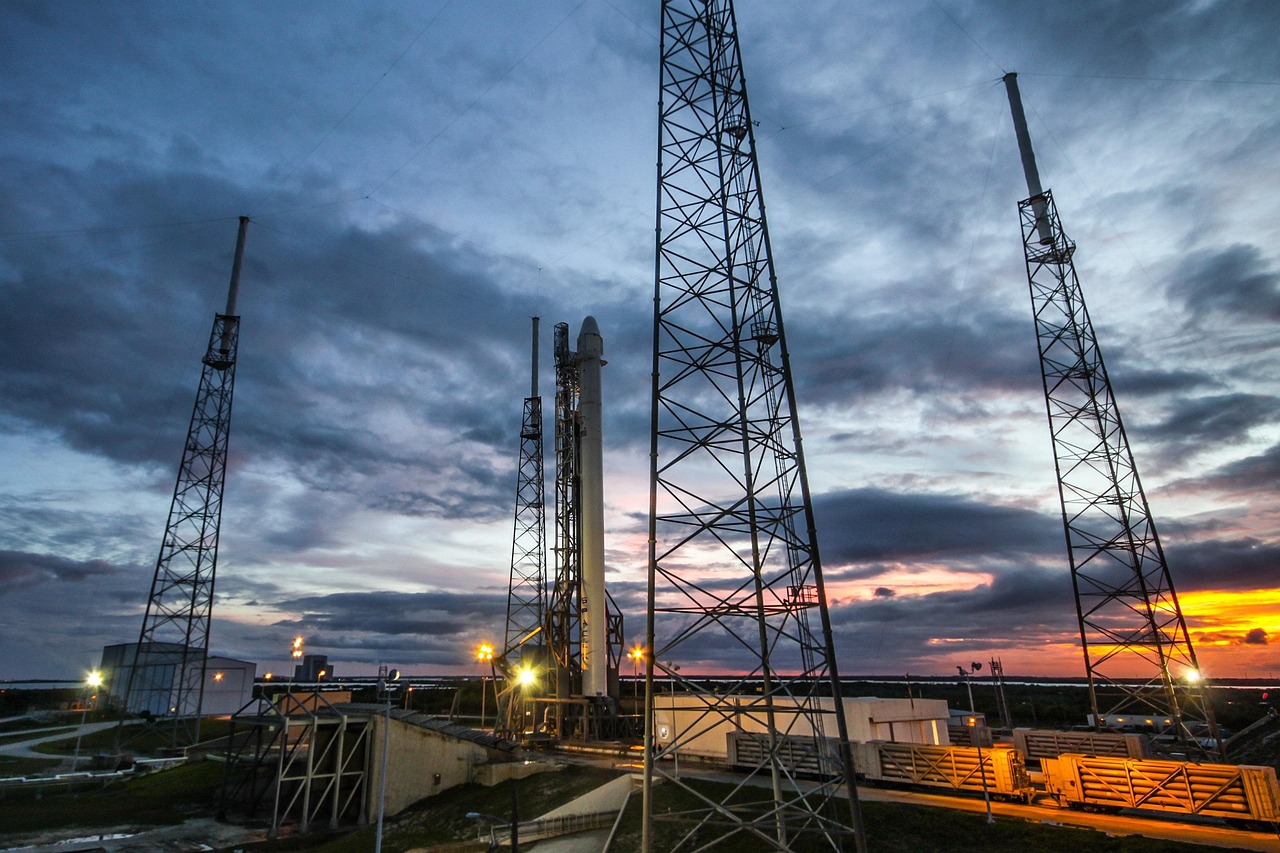
SpaceX intends to build, own, and operate both facilities on a 444-acre tract between Boca Chica Boulevard and the Port of Brownsville. The parcel sits inside the Cameron County Enterprise Zone.
Texas law requires any final agreement to identify the kind, number, and location of improvements. It also requires recapture of lost tax revenue if the owner does not build them, so the December agreement should disclose more than the one-page notice did.
The $24 billion estimate covers the initial phases only. It does not establish the exemption amount, final construction cost, plant capacity, or commercial scale of the computing operation. A final agreement, not the notice, will define the project’s enforceable tax and construction obligations.
Why does SpaceX want dedicated power?
A separate pending state air filing for a SpaceX “Boca Chica Facility,” reported by The 956 Report, describes two turbine phases:
- 35 temporary gas turbines totaling about 748 megawatts
- Eight permanent replacement turbines totaling about 708 megawatts
Building its own generation could let SpaceX avoid waiting for a connection to the main Texas grid. That matters because SpaceX’s filings list obtaining enough power as a risk.
An affiliate has also filed plans for an 8-mile gas pipeline called Starpipe, scheduled to enter service by January 2027, to supply Starship fuel production. The notice does not tie the power plant to Starpipe, although the two projects could share a gas supply. Dedicated generation may shorten the wait for power, but the grid connection and gas linkage remain unsettled.
Can the AI business support the project?
SpaceX’s third-quarter revenue rose 161%, while its AI revenue grew ninefold. The AI division generated $7.6 billion, exceeding the $5.2 billion from the Starlink internet business.
SpaceX leases computing capacity to outside developers such as Anthropic. Each new site therefore adds infrastructure to a business already collecting revenue, rather than creating an entirely new revenue category.
The estimated project cost is about 17 times the value of SpaceX’s 18,712 Bitcoin, worth $1.39 billion. SpaceX held $93.52 billion in cash in the second quarter, giving it the capacity to fund the initial phases. The AI operation supplies a revenue base, while cash on hand makes the capital commitment financially manageable.
What political risks could change the schedule?
Voters rejected data centers in 40 of 41 local ballot measures. In the November 3 midterms, Democrats won the Texas governor’s office, and Governor-elect Gina Hinojosa said she would “ban new data center projects until lawmakers pass rules.”
The report expects Starbase to approve the exemption because the city has developed around SpaceX. That assessment remains a forecast, not a decision, and a city vote cannot protect the project from a state ban or the state air permit.
Either state action could delay the timeline even if the tax break takes effect. Local support looks strong, but statewide policy now poses more schedule risk than the municipal vote.
What could delay or weaken the project?
The tax break would apply to a company with a market value of $1,872,482,600,000, although the notice discloses neither its size nor duration. That leaves the local revenue impact unresolved.
SpaceX closed November 9 at $142.07, up $7.80, or 5.81%. No source linked that gain to the Starbase plan, and the shares remain below their post-IPO high of $225.64.
Shares have fallen 12.61% over the past month. The report also identifies a close below the post-IPO low of $104.83 as a factor that could weaken the commercial case.
The first test is the December 9 vote and the agreement’s terms. The second is state action after the new governor takes office, especially a ban covering private power plants. December 9 will show whether the proposal can put its proposed power and computing capacity on firmer legal footing before state policy intervenes.
Source: 247wallst.com
More from Tom Whitfield
Show full bio
Staff writer covering companies, deals and strategy in Semiconductors, chip manufacturing, hardware, AI compute at Chip Dispatch.
831 articles
Related articles
spacexs-24b-starbase-power-compute-plan-faces-hearing
SpaceX’s $24B Starbase Power, Compute Plan Faces Hearing
texas-bills-would-end-3-3-billion-data-center-tax-break
Texas Bills Would End $3.3 Billion Data Center Tax Break
integra-s-8-billion-quanah-data-center-filing-raises-cost-questions
Integra's $8 Billion Quanah Data Center Filing Raises Cost Questions
tsmc-weighs-a-second-fabrication-site-in-texas-08d7f01d
TSMC Weighs a Second Fabrication Site in Texas