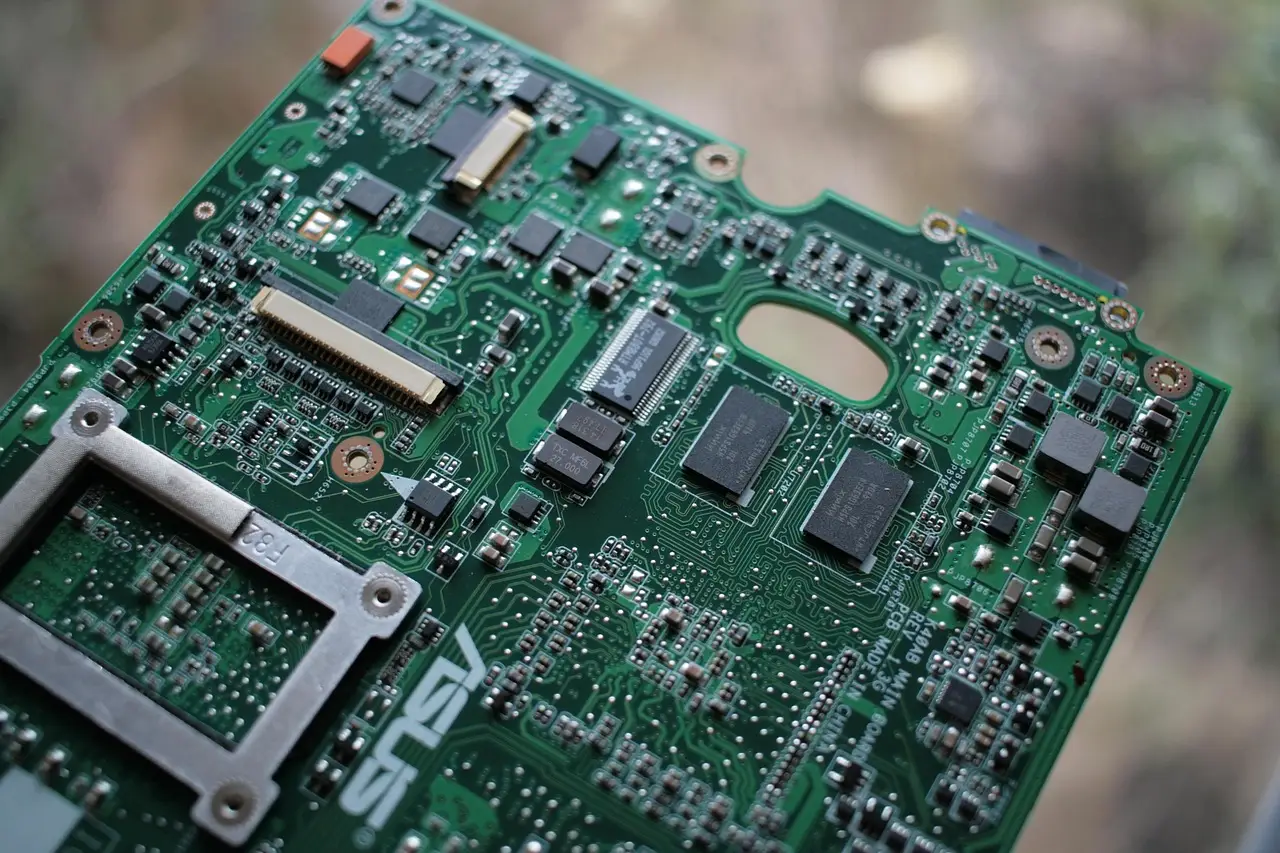
Synaptics cites two UK patents against open-source Linux driver
Synaptics says Vino infringes two UK patents. The developer removed the Rust Linux driver from GitHub and disputes patent validity, infringement, and coverage under an Open Invention Network licence.
- By
- Sophie Lindqvist
- Filed
- Channel
- Chips & Policy
- Read
- 4 min read
By Sophie Lindqvist
Synaptics has invoked claims under UK patents GB2484736 and GB2485613 against Vino, an open-source Linux driver for DisplayLink DL3 docks. Mike Lothian, the hobbyist developer, took its GitHub repository offline after cease-and-desist notices from the company and a letter from its UK patent attorneys, J A Kemp.
The action made the project unavailable through GitHub, but did not settle patent scope or licensing.
What does Synaptics allege?
Synaptics does not claim that Lothian copied its code. The company instead says his implementation of the DisplayLink protocol infringes two British patents, making this a patent dispute rather than a copyright case.
- GB2484736 covers sending screen updates over a general-purpose network such as USB or Ethernet.
- GB2485613 covers a display controller that decompresses data only as needed.
Neither claim itself resolves whether the Rust driver performs the patented steps, and the cited record contains no court finding on infringement, validity, or scope.
How did the dispute begin?
According to Tom’s Hardware, Lothian contacted a Synaptics engineer in July for help with bugs. A company partnerships lead then raised patent concerns, after which Synaptics’ legal department sent a cease-and-desist letter.
The correspondence on the Linux kernel mailing list lists notices dated Aug. 17 and Oct. 5, 2026. When Lothian requested details about how his code infringed, Synaptics escalated the matter to Assistant General Counsel Andrew Bateman.
Tom’s Hardware reports that Bateman said the company would bill him to recoup the cost and effort of documenting the alleged infringement. Bateman also wrote that open-sourcing Vino would mean “eviscerating DisplayLink’s competitive advantage.” He invited Lothian to notify the media or otherwise publicize Synaptics’s response.
No cited source records a public filing, injunction, damages award, settlement, or judicial interpretation of either patent’s scope or validity in this dispute involving DisplayLink.
What did Vino do before removal?
Vino was a Rust DRM/KMS kernel driver for DisplayLink DL3 docks. It aimed to make the hardware function as ordinary Linux displays, replacing both the out-of-tree EVDI kernel module and the closed-source DisplayLinkManager daemon used by DisplayLink Linux users.
By late August, Lothian’s project had lit panels on three dock families: Ella (DL-3x00), Ridge (DL-6xxx), and Navarro (DL-7400). The Ridge family included Dell’s D6000. Phoronix describes Vino as clean-room reverse-engineered and partly AI-developed; Tom’s Hardware reports that Lothian used Anthropic’s Claude.
Those labels describe development provenance, not independent legal clearance, and neither attribution resolves the separate patent dispute Synaptics now presses against the public driver project.
Synaptics has issued no public statement on the case.
How does Lothian answer the allegations?
Lothian disputes infringement and validity. In an Oct. 14 reply to Clive So, a partner at the London firm J A Kemp, he wrote: “I do not accept that any act of mine infringes either patent.” His response advances three distinct grounds, none yet tested by a court.
- Patent scope and prior art: Lothian says the claims came after a network-transport feature was added, and that the feature was not new. He cites the 1998 RFB/VNC remote-display specification as prior art.
- Who performs the method: Lothian argues that the patented methods occur inside the dock, which users bought lawfully.
- Open Invention Network coverage: Synaptics acquired DisplayLink in July 2020 and belongs to OIN, the Linux patent non-aggression pool. Lothian says its affiliates’ patents fall under the licence and says he became a licensee on Aug. 17.
Lothian asked J A Kemp to identify any licence provision or Limitation Election that excludes the DisplayLink patents. He also argued that any proceedings belong in Scotland’s Court of Session.
Crucially, OIN membership establishes a licensing context, not a legal finding, and the exchange contains neither Lothian’s acceptance nor any public concession by Synaptics about either patent.
What remains unresolved?
Synaptics’ position rests on its patent claims, while Lothian’s defense combines non-infringement, validity, lawful purchase, and licensing. The cited record ends with the repository offline and the legal arguments unresolved; it provides no quantified damages claim, injunction, or commercial settlement involving DisplayLink.
The next commercial test is a licensing clarification or a ruling from the Court of Session. Without either, Linux users will likely remain on the established EVDI and DisplayLinkManager path, while Synaptics retains its asserted claim over the disputed DisplayLink methods.
Source: mlq.ai
More from Sophie Lindqvist
Show full bio
News editor covering money, funding and market shifts around Semiconductors, chip manufacturing, hardware, AI compute at Chip Dispatch.
799 articles
Related articles
synaptics-targets-vino-in-dispute-over-open-source-displaylink-driver
Synaptics targets Vino in dispute over open-source DisplayLink driver
jury-orders-apple-to-pay-5-7-billion-over-haptic-patent-infringement-d9f6fa98
Jury Orders Apple to Pay $5.7 Billion Over Haptic Patent Infringement
oura-sues-ultrahuman-again-aiming-to-block-ring-pro-sales-in-u-s
Oura Sues Ultrahuman Again, Aiming to Block Ring Pro Sales in U.S.
bytedance-pursues-mediatek-ai-chips-as-dbs-lifts-target-to-twd-6-200-676590c4
ByteDance Pursues MediaTek AI Chips as DBS Lifts Target to TWD 6,200