Semiconductors · 4 min read
Taiex jumps 8.99% and Kospi tops 5,000 as Nvidia restores Jensen Huang
Taiwan's Taiex closed up 8.99% at 40,122.35 on Nov. 24 while South Korea's Kospi rose 6.98% to 5,036.99, as chipmakers rallied in the first Asian session after Nvidia's board reinstated Jensen Huang as CEO.
Key takeaways
- Taiwan's Taiex closed up 3,310.46 points, or 8.99%, at 40,122.35 on Nov. 24, on turnover of NT$419.41 billion (US$12.77 billion).
- TSMC hit the 10% daily limit at NT$2,230.00, contributing about 1,600 points of the Taiex gain, after its ADRs rose 14.08% in New York.
- South Korea's Kospi rose 6.98% to 5,036.99; Samsung Electronics gained 5.80% and SK Hynix 7.28%.
- Japan's Nikkei 225 rose 4.15% to about 58,778, with Advantest up 12.66% and Tokyo Electron 9.5%.
- Nvidia added a record $954 billion in market value on Wall Street Monday, when the Nasdaq Composite jumped 6.51%.
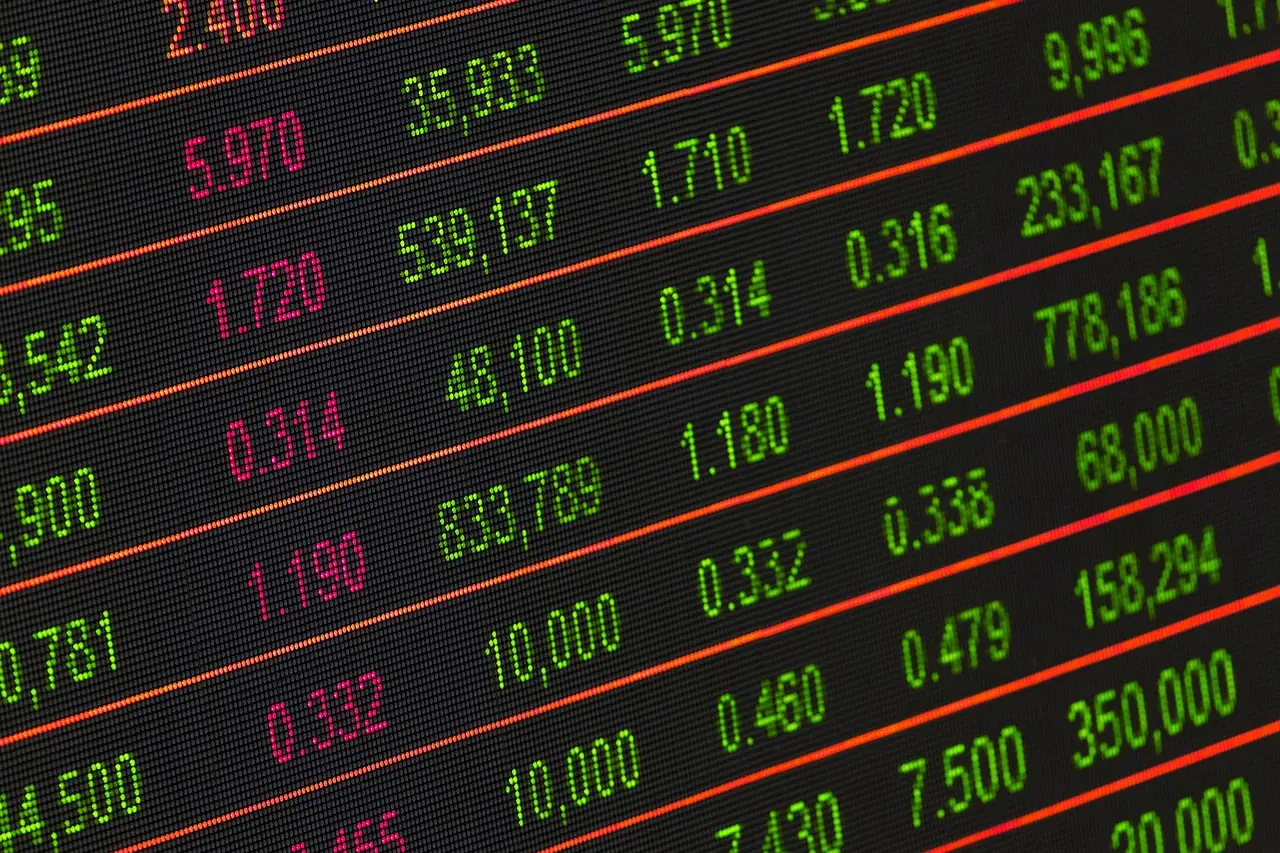
Taiwan's Taiex closed up 8.99% on Tuesday, Nov. 24, its second-largest percentage gain on record, after Nvidia's board reinstated Jensen Huang as chief executive. The index ended at 40,122.35, up 3,310.46 points, on turnover of NT$419.41 billion (US$12.77 billion), Taiwan's Central News Agency reported at 1:55 p.m. Taipei time. South Korea's Kospi rose 6.98% to 5,036.99, clearing the 5,000 mark.
The rally followed a Wall Street session in which the Nasdaq Composite jumped 6.51% and Nvidia added a record $954 billion in market value. Tuesday was the first full Asian session after the reinstatement.
What happened in Taiwan?
The Taiex rose as much as 3,368.49 points in the morning, the largest intraday point gain in its history, CNA reported. The 9.15% intraday rise was the second-largest percentage gain on record, behind 9.39% on April 10, 2025.
TSMC, the index's heaviest stock, jumped 10%, the daily limit, to NT$2,230.00 in the morning session. The move contributed about 1,600 points of the index's rise and followed a 14.08% surge in TSMC's American depositary receipts in New York.
MediaTek also hit the 10% limit at NT$4,050.00. ASE Technology rose to NT$530.00. More than 500 stocks on the main board and over-the-counter market were up 10% during the morning, CNA said. At the close, 1,087 stocks rose, 31 fell and 9 were unchanged, according to Investing.com.
Despite the jump, the index remained about 20% below its 52-week high of 49,968.92, Investing.com noted.
Barry Huang, chairman of First Capital Management in Taipei, told Reuters: "in the short term, Taiwan stocks will gradually return to fundamentals." He said the index could challenge the 44,000 to 46,000 range. Charu Chanana, chief investment strategist at Saxo, told Reuters: "Taiwan is arguably the biggest beneficiary, given TSMC's central role in Nvidia's chip production."
What does the Kospi move signal for memory makers?
South Korea's Kospi closed up 328.45 points at 5,036.99, according to Trading Economics, recovering from Monday's close of 4,708.54. The index had fallen 3.31% on Monday and 5.21% the session before. The surge triggered a five-minute curb on buy-side program trading at 9:06 a.m., Korea JoongAng Daily reported.
Samsung Electronics closed up 5.80% and SK Hynix 7.28%, Trading Economics reported. Hyundai Motor, Kia and Hanwha Aerospace also rose more than 5%.
The memory makers may see less direct benefit than TSMC. Dilin Wu, research strategist at Pepperstone, told Reuters that "Huang's return does not directly ease the competitive pressure facing SK Hynix and Samsung," citing competition from China's CXMT.
How did Japan, China and Australia trade?
Japan's Nikkei 225 rose 4.15% to about 58,778 on its first session after Monday's holiday, Trading Economics reported. Reuters said the Nikkei surged as much as 5% during the session. Advantest gained 12.66%, Tokyo Electron 9.5% and SoftBank Group 4.7%. The broader Topix gained 2.3%, according to Investing.com, which said the yen weakened.
Chinese stocks lagged. The Shanghai Composite closed up 7.62 points, or 0.22%, at 3,546.57, per Trading Economics. Saxo's Chanana told Reuters she saw a more complicated picture for China. In Sydney, the S&P/ASX 200 closed up 1.8% at 8,726 points, its first daily gain in nearly two weeks, ABC News reported at 4:31 p.m. AEDT. Hong Kong's Hang Seng was down 0.4% at about 1:13 p.m. in Hong Kong, according to ABC News; sources differed on its later level. Markets in India were closed for a public holiday.
What lies ahead?
The U.S. dollar rose 0.12% to NT$32.86 against the Taiwan dollar, according to Investing.com. The Australian dollar was flat at 66.27 U.S. cents. U.S. stock futures were little changed after Monday's rally: at 1:48 p.m. AEDT, S&P 500 futures were flat and Nasdaq futures were down 0.2%, ABC News reported.
Analysts flagged hurdles. Tapas Strickland, chief market strategist at moomoo ANZ, told Reuters that Huang's return "could mark a turning point for AI stocks, though Nvidia faces two clear hurdles," pointing to Huang's Dec. 3 congressional testimony and tighter export controls. Traders now watch whether theTaiex and Kospi hold gains as those dates approach.
mlq.ai (Source)
More from Grace Kim
Show full bio
Market editor covering people, launches and day-to-day practice in Semiconductors, chip manufacturing, hardware, AI compute at Chip Dispatch.
1,273 articles