Tepper's Appaloosa Scaled SpaceX 17-Fold and Exited AMD and Broadcom
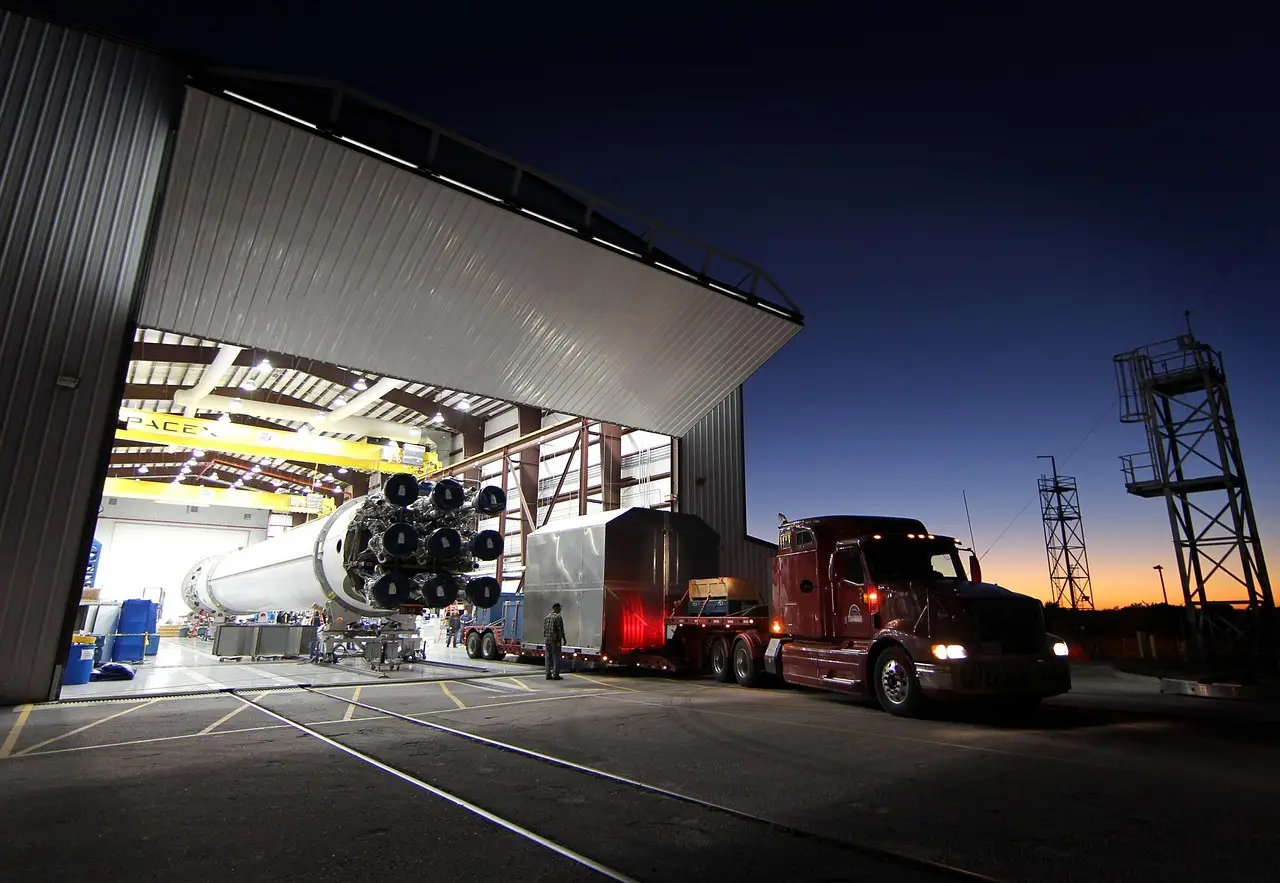
Appaloosa lifted SpaceX from 225,000 to 3,883,329 shares in one quarter while fully exiting AMD and Broadcom, per a November 16 13F filing.
- By
- Sophie Lindqvist
- Filed
- Channel
- Tech Business
- Read
- 3 min read
Appaloosa, the fund led by billionaire David Tepper, grew its SpaceX stake from 225,000 shares on June 30 to 3,883,329 shares on September 30, a 17.26x increase by share count. The disclosure came in a 13F filed on November 16, 2026. In the same quarter, the fund sold every AMD share it held, 197,500 in total, and every Broadcom share, 150,000 in total.
What did the filing actually show?
At quarter-end, the SpaceX position was worth $556,547,062, or 7.4 percent of Appaloosa's reported 13F portfolio. Only three holdings were larger. Micron Technology stood at $1,331,387,500, Amazon at $1,114,946,250, and TSMC at $718,499,250.
The 17-fold figure measures shares owned, not money made. SpaceX shares fell 11.71 percent during the quarter, from $170.86 to $150.86. Other funds were buying too. Of 23 tracked filers that reported SpaceX at September 30, 15 were buyers.
A 13F is a quarter-end summary filed roughly 45 days later. It leaves out when shares changed hands, what Tepper paid, and what he owns today. Every dollar figure above is a quarter-end market value. The filing also does not say why he sold AMD or Broadcom, and the sales should not be read as funding for the SpaceX purchase.
Why did SpaceX attract the bet?
SpaceX's third-quarter results explain the appeal. Revenue reached $14.60 billion, beating the $13.02 billion consensus. GAAP net income came in at $4.40 billion, against a $1.10 billion net loss a year earlier.
The AI Solutions & Infrastructure division brought in $7.56 billion, up 830 percent. Connectivity rose 69 percent to $5.20 billion. Starlink reached 13.6 million consumer subscribers.
The risks sit alongside the growth. Share-based compensation tied to the Cursor acquisition cost $1.2 billion in the third quarter alone. Another $23.4 billion is linked to post-acquisition service. Capital spending needs add further uncertainty.
Why sell AMD and Broadcom?
Both companies posted strong numbers, which makes the exits notable. AMD's third-quarter revenue rose 44.7 percent to $13.38 billion, and Data Center sales rose 97 percent. Yet free cash flow fell 70.9 percent, and the stock trades at about 191 times earnings. AMD shares rose 5.31 percent during the quarter.
Broadcom told a similar story of growth with caveats. AI semiconductor revenue rose 221 percent to $16.70 billion, and free cash flow was $13.67 billion. Broadcom shares fell 6.86 percent during the quarter. The filing does not explain either sale, and the numbers alone do not settle the question.
Is the trade worth following?
A position that reaches 7.4 percent of a concentrated portfolio within one quarter signals real conviction. The results back part of it up: SpaceX turned to a large profit while its AI and Starlink businesses grew quickly.
But the caveats are substantial. SpaceX carries a market value of about $1.9 trillion after a 2026 IPO. Its compensation costs and spending needs are hard to predict. Tepper can also sell before the next 13F reveals it, so the filing may already be stale. For investors who need steady returns, the volatility and unpredictable costs are the factors to research first. The next 13F, due in February, will show whether the SpaceX position survived the quarter.
Source: 247wallst.com
More from Sophie Lindqvist
Show full bio
News editor covering money, funding and market shifts around Semiconductors, chip manufacturing, hardware, AI compute at Chip Dispatch.
1,113 articles
Related articles
tepper-s-appaloosa-dumped-broadcom-entirely-and-doubled-down-on-micron
Tepper's Appaloosa Dumped Broadcom Entirely and Doubled Down on Micron
tepper-puts-518-million-into-spacex-and-exits-amd-and-broadcom
Tepper Puts $518 Million Into SpaceX and Exits AMD and Broadcom
13f-filings-tepper-makes-micron-top-holding-as-funds-rotate-into-chips
13F Filings: Tepper Makes Micron Top Holding as Funds Rotate Into Chips
a16z-reported-spacex-stake-jumps-63-to-18-37-billion
a16z Reported SpaceX Stake Jumps 63% to $18.37 Billion