TeraWulf Falls 9% Despite Kentucky Deal Doubling Muskie Power to 1 GW
TeraWulf fell 9% to $11.53 despite doubling contracted power at its Kentucky Muskie campus to 1,000 MW, as AI-linked data-center stocks slid ahead of NVIDIA earnings.
- By
- Grace Kim
- Filed
- Channel
- AI & Compute
- Read
- 3 min read
TeraWulf (NASDAQ:WULF) fell 9% to $11.53 in early trading despite an amended Kentucky Power agreement that doubled contracted capacity at its proposed Muskie data campus in Grayson, Kentucky, to 1,000 megawatts. The drop came as investors pulled back from AI-linked names ahead of NVIDIA (NASDAQ:NVDA) earnings and the NASDAQ 100 slid 2%. Peers fell harder. Applied Digital (NASDAQ:APLD) dropped 10% to $14.41. Cipher Digital (NASDAQ:CIFR) declined 7% to $6.38.
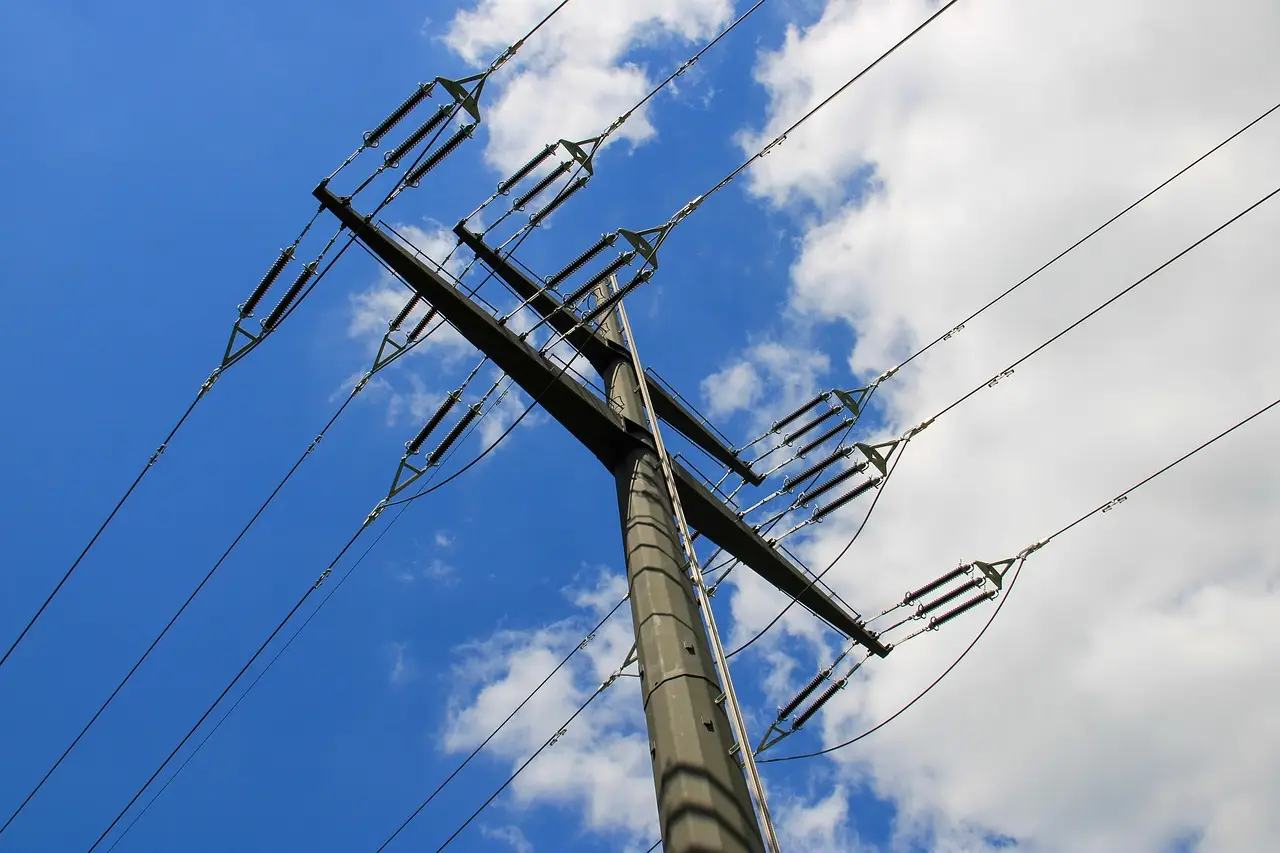
TeraWulf disclosed the amended agreements on November 6 alongside Q3 2026 results. The initial 500 MW phase at Muskie is targeted to ramp in Q4 2028, with a second 500 MW phase targeted for 2029. The Kentucky Public Service Commission must still approve the schedule. The agreement covers grid upgrades, customer bill credits and up to 1 gigawatt of demand at the site. CEO Paul Prager said in the results release: "Muskie gives us a contracted path to a gigawatt of power."
Why did the stock fall on good news?
The selloff was broad rather than company-specific. Data-center landlords slid as financing concerns spread through the group, and TeraWulf fell with the sector. Its record remains the steadiest of its three closest peers. TeraWulf stock is up 0.4% year to date. Applied Digital is down 41% over the same period. Cipher Digital is down 57%, the largest loss of the three.
The company frames power availability as the key constraint on data-center growth. A secured Kentucky site is therefore the core of the bull case. TeraWulf's view holds that contracted power, not tenant demand, sets the ceiling on expansion.
What do the peers' numbers show?
Applied Digital's weakness sits alongside a large backlog. The company reports 1.41 gigawatts of leased critical IT load across five campuses and $36 billion of contracted revenue over initial base terms. It operates as a pure-play AI factory developer concentrated in the Dakotas, with heavy exposure to hyperscaler leases.
Cipher Digital reports a contracted portfolio of 700 MW gross and $16.6 billion of contracted revenue. The company is furthest behind in its shift from crypto mining toward high-performance computing leases. Its sites sit mostly in Texas on the ERCOT grid. That leaves Cipher Digital with the most transition risk of the three. Its smaller same-day decline cuts against the idea that TeraWulf is the group's defensive name, even with TeraWulf holding a year-to-date gain.
How does TeraWulf's model differ?
TeraWulf operates as a vertically integrated power and data-center developer controlling land, power and interconnection at its sites. Long-term, credit-backed leases to AI tenants generate most of its revenue, while legacy crypto mining keeps shrinking. Management's stated strategy is to add new contracted capacity each year, finance projects at the project level and recycle capital. Its mix of New York and Kentucky campuses spreads power exposure across two grids.
Can the relative strength survive the selloff?
TeraWulf's latest results show HPC lease revenue rising, but adjusted EBITDA remains negative. Heavy financing needs and execution risk on new campuses are the central concerns for bears. Applied Digital and Cipher Digital face the same pressures, with large debt loads and dependence on construction timing and hyperscaler demand.
The contracted revenue base supports the bull case. It includes the Justified Data lease with Anthropic and rent from the CB-4 building at the Lake Mariner campus in New York, expected to begin in November and December. TeraWulf still needs Kentucky PSC approval for the Muskie expansion and must hold its year-to-date edge through a group-wide selloff, and the AI data-center financing debate could keep pressure on the sector until it settles.
Source: 247wallst.com
More from Grace Kim
Show full bio
Market editor covering people, launches and day-to-day practice in Semiconductors, chip manufacturing, hardware, AI compute at Chip Dispatch.
1,035 articles
Related articles
coreweave-raises-guidance-to-13-billion-lifting-ai-data-center-stocks
CoreWeave Raises 2026 Guidance to $13 Billion, Lifting AI Data Center Stocks
ge-vernova-leads-6-ai-power-pullback-as-vertiv-quanta-fall
GE Vernova Leads 6% AI Power Pullback as Vertiv, Quanta Fall
nvidia-climbs-4-to-175-23-after-baird-cut-and-huang-doubts
NVIDIA Climbs 4% to $175.23 After Baird Cut and Huang Doubts
nvidia-faces-124-billion-bar-as-demand-holds-and-washington-waits
NVIDIA Faces $124 Billion Bar as Demand Holds and Washington Waits