Tesla Bets €3 Billion on Berlin Expansion for 2029 Cybercab Output
Tesla will spend €3 billion expanding its Berlin gigafactory to build up to 1 million Cybercabs a year from 2029, two months after the first units hit the road.
- By
- Sophie Lindqvist
- Filed
- Channel
- Tech Business
- Read
- 3 min read
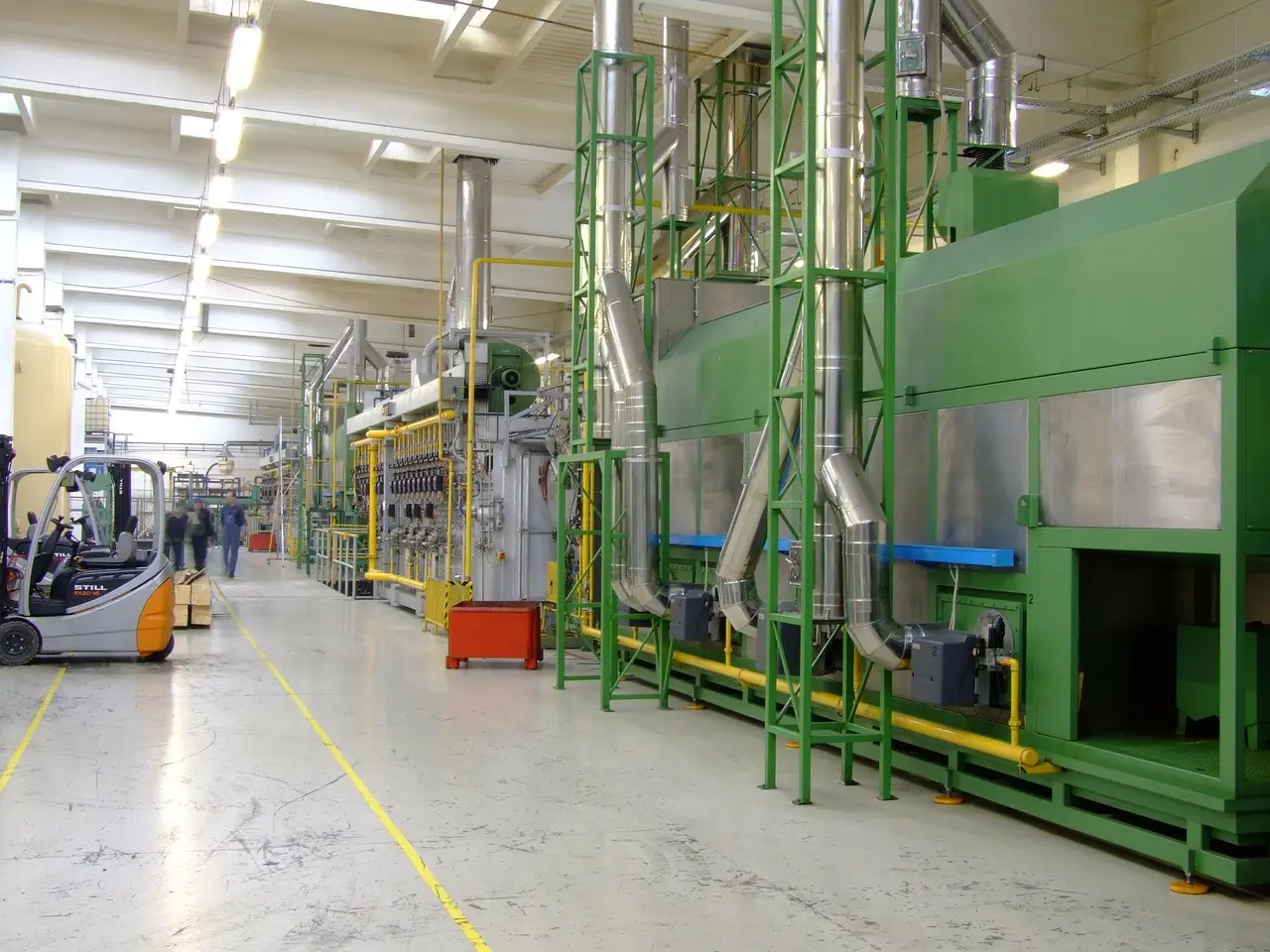
Tesla will spend €3 billion ($3.3 billion) expanding its gigafactory near Berlin to build the Cybercab from 2029, the company announced Monday. André Thierig, Tesla's senior director of manufacturing at the site, said the new building in Grünheide will have capacity for up to 1 million vehicles per year. Construction should begin in the first half of 2027, he wrote on LinkedIn.
The commitment lands barely two months after the first Cybercabs reached public roads. It also lands before regulators have finished their work. Federal regulators are currently investigating Tesla's self-certification of the vehicle, which lacks a steering wheel, pedals and other equipment required under federal safety standards. That investigation is unresolved. The €3 billion figure, in other words, precedes legal certainty about the product it funds.
What changes at Grünheide and Austin?
Thierig said the expansion will make Berlin the most technologically advanced of all Tesla factories. That claim carries no defined metric. The concrete figures are firmer: up to 1 million vehicles of annual capacity, construction starting by mid-2027, Cybercab production starting in 2029.
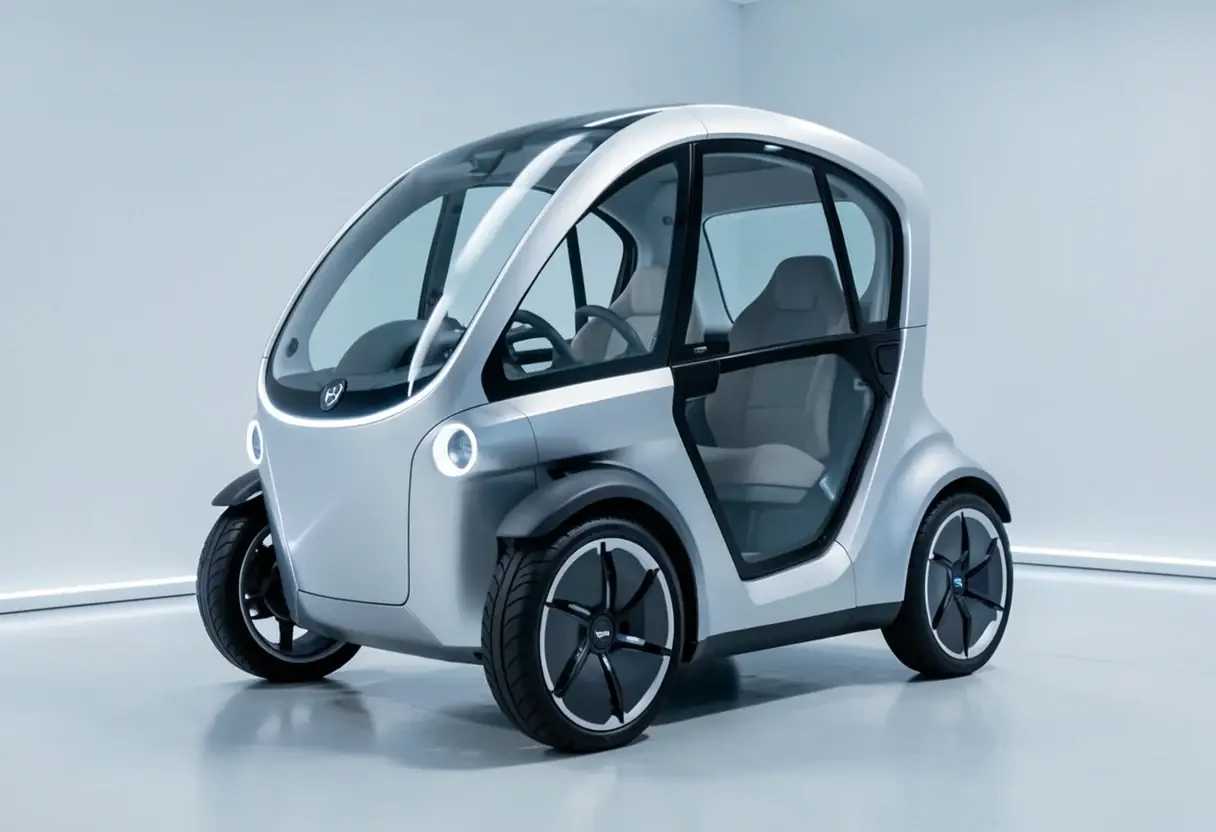
The pivot has a cost elsewhere in the lineup. Tesla has already said it will cease Cybertruck production next year, in part to free room for Cybercab manufacturing at its Austin, Texas, factory. The golden-hued, two-seat vehicle first revealed in 2024 and launched publicly in September now anchors the product plan, while the stainless-steel truck exits it.
CEO Elon Musk does not see much of a future for drive-it-yourself EVs. Demand for the Model 3 and Model Y has nonetheless remained strong despite flagging U.S. sales. Tesla delivered more than 486,000 vehicles in the third quarter, roughly 6,000 more than in the second quarter. European sales are rising as EV adoption continues.
How real is the robotaxi fleet today?
The operational numbers are modest against a 1-million-unit target. Tesla has about 1,307 robotaxis registered in Texas, according to the source. Most are modified Model Y vehicles running robotaxi services in several Texas cities. The Cybercab count sits at about 573 vehicles on roads in Austin, with Dallas coming soon.
The rollout has been deliberately slow. Cybercabs have been restricted from driving late at night, though Tesla has worked to extend their operating hours. In more than two months of operation, the vehicles have not had any major incidents. Two months of clean service is a thin statistical base, but it appears to have given Tesla enough confidence to commit the Berlin billions.
Why the sensor question matters commercially
Tesla's autonomous driving approach differs sharply from competitors such as Waymo. Tesla relies solely on cameras, with no lidar or other additional sensors, to let its self-driving system understand its environment. Camera data mimics human vision. Without sufficient training, however, AI models can struggle to interpret situations that additional sensor data might clarify.
This is not a footnote. The camera-only architecture is the reason a camera-training data flywheel, and therefore fleet scale, sits at the center of Tesla's strategy — which is what makes mass production capacity in Berlin a strategic rather than merely industrial decision.
Musk has pushed the company toward fully automated systems that require no human attention, unlike the current Full Self-Driving (Supervised) driver assistance product. Tesla frames this as a shift from automaker to AI and robotics company, and it is directing more resources toward the Cybercab project accordingly.
Europe is now firmly on the roadmap. The test ahead is straightforward: Tesla must move from 573 Cybercabs in Texas to a Grünheide plant sized for a million vehicles a year, while a federal investigation into the vehicle's self-certification remains open and its camera-only stack still needs to prove itself at scale.
Source: techcrunch.com
More from Sophie Lindqvist
Show full bio
News editor covering money, funding and market shifts around Semiconductors, chip manufacturing, hardware, AI compute at Chip Dispatch.
1,052 articles
Related articles
tesla-to-end-cybertruck-output-in-about-eight-months-refund-deposits
Tesla to End Cybertruck Output in About Eight Months, Refund Deposits
tesla-cybertruck-production-to-end-in-about-eight-months-musk-says
Tesla Cybertruck production to end in about eight months, Musk says
tesla-opens-cybercab-pre-orders-at-29-990-plus-299-monthly-fee
Tesla Opens Cybercab Pre-Orders at $29,990 Plus $299 Monthly Fee