AI & Compute · 2 min read
Tidal to Delete 27 Million AI Tracks on December 9
Tidal will delete 27 million fully AI-generated tracks on December 9, after fully synthetic songs hit 60 percent of new uploads on November 6 and 96 percent drew zero plays.
Key takeaways
- Tidal will delete 27 million AI-labeled tracks, 6.3 percent of its catalog, on December 9.
- 43 percent of new uploads over the past 90 days were fully AI-generated; on November 6 the figure hit 60 percent.
- 96 percent of AI-labeled tracks got zero plays in the past 90 days, Tidal says.
- Tidal first labeled and demonetized fully AI music under a policy from July 2026.
- Artists may still use AI tools if the final product contains human elements.
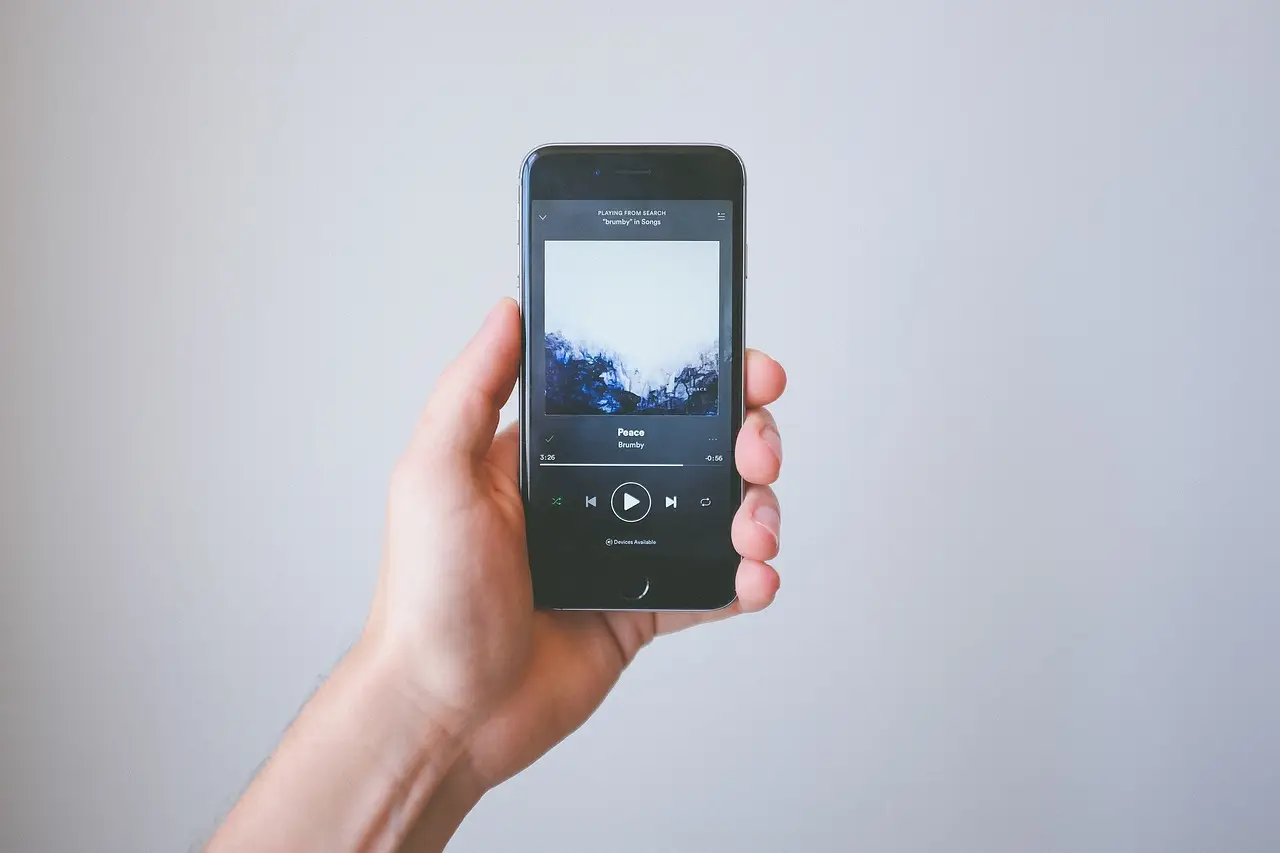
Tidal will remove 27 million fully AI-generated tracks from its catalog on December 9, the company announced. The deletion covers 6.3 percent of the streaming service's total library. Every one of those tracks carries Tidal's AI label, applied under a policy first introduced in July 2026.
The move ends a labeling-and-demonetization approach that Tidal, like most streaming providers, had adopted for AI content. Labeling was not enough. Over the past 90 days, Tidal reports that 43 percent of new uploads were completely AI-generated. On November 6, the share reached 60 percent.
Why is Tidal acting now?
The company cited harm to human artists as the reason for the ban. Its earlier policy, debuted in July 2026, labeled AI-created songs and demonetized works made entirely with AI. Tidal says that approach failed to stem the flood of AI-generated uploads, which have accumulated into the millions over the past couple of years.
The scale of the cleanup is large but the audience cost is small. Tidal notes 96 percent of AI-labeled tracks received zero plays in the past 90 days. The streamer therefore expects essentially no negative impact from deleting 27 million songs.
The trajectory behind the decision is stark. A 43 percent AI share of new uploads over 90 days rose to 60 percent on a single day this month. At that rate, the unlabeled-but-identical policy of the past two years would have left human work a shrinking fraction of incoming catalog.
What can artists still do?
Tidal drew a strict line around what it calls fully AI-created music. The ban applies only to songs generated entirely by AI. Artists can still use AI tools in their workflow as long as the final product contains human elements.
The distinction matters for the wider industry. Most streaming providers have chosen labeling over removal, treating AI content as a disclosure problem rather than a contamination one. Tidal becomes the first major streamer to move from labeling to outright deletion of fully synthetic music, a stance that puts the burden of proof on uploaders rather than listeners.
The December 9 purge also resets a catalog metric. Removing 27 million tracks cuts Tidal's library by 6.3 percent at a stroke, and the company has signaled it will police new uploads on the same fully-AI standard going forward.
Whether Spotify, Apple Music and Amazon follow remains the open question. Tidal's data — 43 percent of new uploads fully AI-generated, spiking to 60 percent on November 6 — gives rivals a concrete benchmark for the volume problem labeling alone has not solved.
arstechnica.com (Source)
More from Grace Kim
Show full bio
Market editor covering people, launches and day-to-day practice in Semiconductors, chip manufacturing, hardware, AI compute at Chip Dispatch.
1,286 articles