AI & ComputeLOT 261122 · 4 min read
Trump Threatens Tax, Penalties on U.S. Companies’ Overseas Data Centers
Trump’s Nov. 20 threat lacks a tax rate, start date or legal mechanism, yet exposed data center stocks fell as overseas AI infrastructure spending continued to expand.
Key takeaways
- Nov. 20, 2026: Trump threatened a “tremendous tax” and heavy penalties for overseas data center construction.
- Google announced at least $15 billion for Finnish data centers and digital infrastructure in September 2026.
- Microsoft added 24 data centers across five continents in its September quarter; Amazon expects $220 billion in 2026 capital spending.
- Amazon Web Services reports a $578 billion backlog of contracted business.
- More than $2 trillion in U.S. projects has been announced; an estimate puts roughly half of global data center capacity under construction outside the United States.
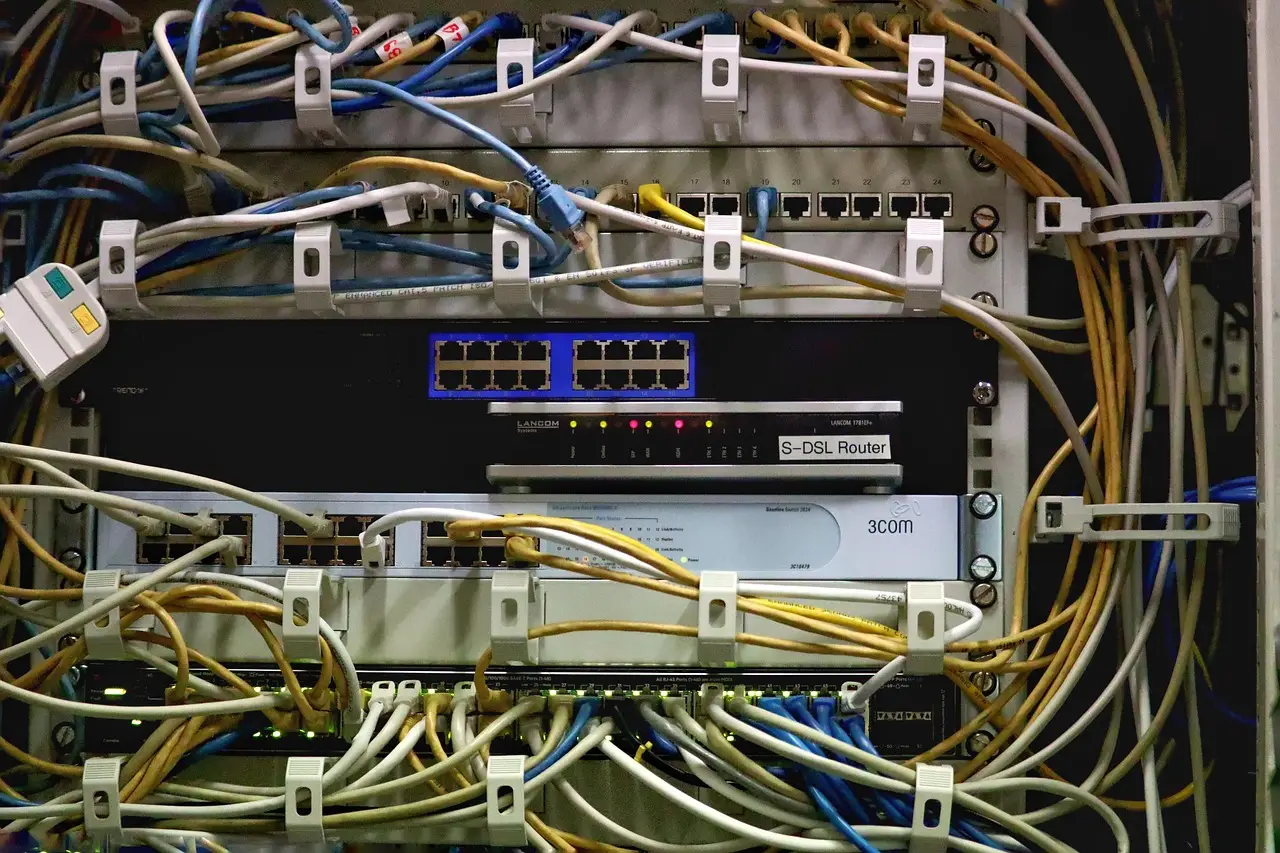
Google announced at least $15 billion for Finnish data centers and digital infrastructure in September 2026, and President Donald Trump singled out the project before threatening a “tremendous tax” on overseas builds on November 20.
At a White House news conference that day, he said U.S. companies building outside the country would face the tax and heavy penalties.
The proposal named no company, tax rate, start date or legal mechanism. Trump also said he had not told his own staff about the idea. The White House did not immediately respond to a request for comment.
How did data center stocks react?
On a broad technology selloff, all five U.S.-listed stocks with clear exposure fell.
Market data cannot isolate how much Trump’s remarks contributed to those losses within that selloff, after the S&P 500 had dropped about 9% since November 4.
- Alphabet (NASDAQ: GOOG and GOOGL) fell 2.70% to $265.29.
- Microsoft (NASDAQ: MSFT) fell 2.77% to $484.52.
- Amazon (NASDAQ: AMZN) fell 4.10% to $246.82.
- Equinix (NASDAQ: EQIX) fell 4.89% to $968.22.
- Digital Realty (NYSE: DLR) fell 6.63%, the steepest decline among the five.
After the close, Equinix traded 0.82% higher as of about 6:20 p.m. ET. That quote could change before trading resumed Monday, November 23.
What did Trump’s proposal cover?
He invoked three separate tools: a ban, a tax and penalties. Each would follow a different legal path. It was unclear whether any would require congressional approval.
Trump offered China as the reason. He said data centers built abroad would all end up in China’s hands. He connected that claim to his view that the United States fell behind after allowing American companies to manufacture semiconductors overseas.
He also told communities to make developers pay them rather than stop projects. He cited a Louisiana project whose developers paid teachers $50,000 to win approval.
Three basic questions went unanswered:
- Whether a tax would reach foreign subsidiaries or only U.S. parent companies.
- Whether rented space would be treated like owned buildings.
- Whether existing overseas sites would be exempt.
Where is overseas exposure concentrated?
Alphabet has the most direct political exposure. The Finland commitment covered data centers and digital infrastructure. Google called it its largest capital commitment in Europe. Trump had posted that he wanted Google to rethink the plan.
Alphabet stood at $3.35 trillion in market value and spent $51.355 billion on capital spending in a single quarter. Finland is one project among many, although Trump had singled it out.
Microsoft added 24 new data centers across five continents in its September quarter. Amazon expects about $220 billion of capital spending in 2026.
Both companies build abroad because AI inference, the work of serving live requests, must run close to customers’ data, while data-residency laws in many countries require data to remain inside national borders.
Every project, foreign or domestic, still requires power, cooling and network infrastructure. Equinix and Digital Realty rent data center space and power capacity to other companies operating servers worldwide. A ban or tax would hit their core business.
Where would replacement capacity go?
Trump did not explain how taxing American builders would keep computing capacity out of Chinese hands. If U.S. projects were blocked and overseas projects taxed, the proposal identifies no clear destination for replacement computing capacity demanded by cloud customers and operators.
Companies have announced more than $2 trillion for specific U.S. projects. The reported estimate puts roughly half of the world’s data center capacity under construction outside the United States. Together, those figures leave the stated goal disconnected from the proposed mechanism.
What does demand mean for the sector?
Microsoft said, “Customer demand continues to exceed available supply.” Amazon’s cloud unit, AWS, reports a $578 billion backlog of contracted business.
Contracted demand still looks durable because a spoken threat does not change any signed contract.
On the reported exposure, Equinix appears best positioned. It has 48 projects across 32 markets, and no single customer accounts for more than 2.5% of revenue.
Digital Realty appears most exposed because much of its record leasing comes from large cloud companies expanding abroad.
The bear case is that a real tax could prompt U.S. allies to strike back against American technology companies. That assessment should change if a written executive order or bill specifies a tax rate, a list of companies or a start date.
Until such terms emerge, overseas capacity plans face policy uncertainty despite durable contracted demand.
247wallst.com (Source)
More from Grace Kim
Show full bio
Market editor covering people, launches and day-to-day practice in Semiconductors, chip manufacturing, hardware, AI compute at Chip Dispatch.
1,213 articles