TSMC Raises 2026 Revenue Growth Forecast to 44 Percent
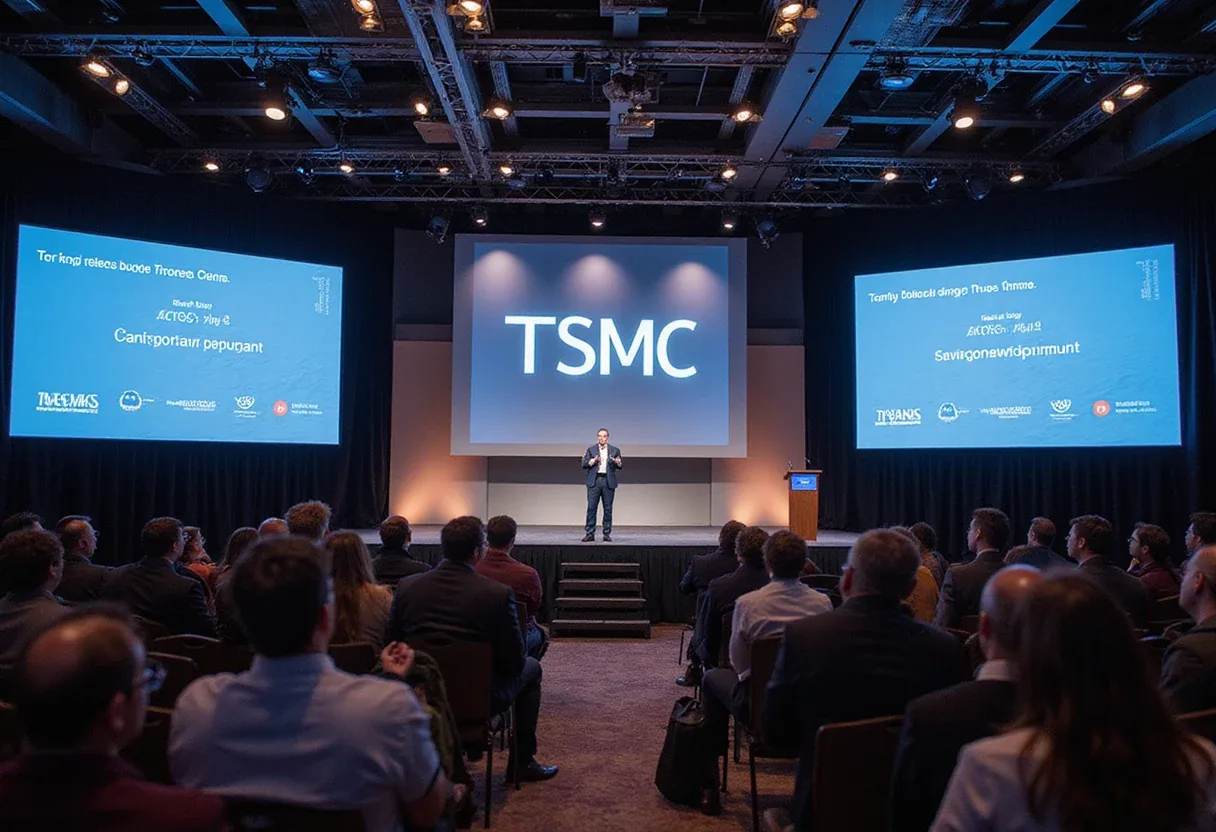
TSMC lifted its 2026 revenue growth forecast to 44 percent at its investor conference, pairing the target with 2nm expansion and a new 3nm fab, Digitimes reports.
- By
- Sophie Lindqvist
- Filed
- Channel
- Chip Manufacturing
- Read
- 2 min read
TSMC told investors it now expects revenue to grow 44 percent in 2026, according to a Digitimes report on its investor conference. That figure is the sharpest signal in the announcement. It arrives alongside two capacity commitments: an expansion of the 2nm family and a new fab dedicated to 3nm production.
The company did not publish the underlying volume assumptions in the headline disclosures. A 44 percent growth target implies unprecedented wafer demand. Investors should treat it as a forecast, not a booking. Forecast revisions at TSMC carry weight, but they remain dependent on customers, end markets, and tool deliveries.
What did TSMC actually commit to?
Three items emerged from the conference, as reported by Digitimes:
- The 2026 revenue growth forecast, lifted to 44 percent.
- Expansion of 2nm capacity, TSMC's most advanced node family.
- A new fab for 3nm production, extending the life of the N3 platform.
The report gives no wafer-per-month figures for either capacity move. It also gives no construction timeline for the new 3nm fab. Both omissions matter. Capacity announcements without volumes are direction, not commitment.
Why does 3nm get a new fab?
The decision looks like a hedge, though TSMC did not frame it that way. 2nm ramps carry yield risk in any transition. A fresh 3nm fab lets TSMC keep serving customers that stay on N3 while early 2nm volume builds.
Demand for mature advanced nodes often persists longer than roadmaps suggest. Apple, MediaTek, and Qualcomm have historically split orders across two leading nodes during transitions. The new fab supports that pattern. Digitimes did not attribute specific customer demand to the decision, so any customer-level reading here is inference, not disclosure.
Is 44 percent growth credible?
The number deserves scrutiny. It implies 2026 revenue nearly half again above 2025. That would require AI accelerator demand to keep compounding, smartphone silicon to recover, and no major geopolitical disruption to tooling or materials.
TSMC has beaten its own guidance in recent years when AI demand outran plans. It has also warned, in prior quarters, about aging tool supply and construction constraints. The 44 percent figure assumes those bottlenecks ease. The conference headline does not say whether management addressed them.
What was not said?
Several questions remain open after the report:
-
No capital expenditure figure for 2026 accompanied the forecast.
-
No location was named for the new 3nm fab.
-
No 2nm wafer volume or customer count appeared in the disclosure.
-
No pricing guidance was reported, despite capacity additions that typically carry margin questions.
Each gap will surface in the next quarterly call. Until then, the 44 percent number stands as management's stated expectation, sourced to the investor conference via Digitimes.
The combination of a raised forecast, 2nm expansion, and added 3nm capacity points one direction: TSMC expects the advanced-node shortage to persist through 2026, and it is spending to hold its lead against Samsung and Intel while that shortage lasts.
Source: Google News: TSMC
More from Sophie Lindqvist
Show full bio
News editor covering money, funding and market shifts around Semiconductors, chip manufacturing, hardware, AI compute at Chip Dispatch.
551 articles
Related articles
tsmc-lifts-2026-sales-growth-outlook-to-44-holds-capex-flat-05678624
TSMC Lifts 2026 Sales Growth Outlook to 44%, Holds Capex Flat
tsmc-lifts-2026-growth-target-to-44-as-2nm-hits-8-of-revenue-e4f95d26
TSMC Lifts 2026 Growth Target to 44% as 2nm Hits 8% of Revenue
tsmc-posts-record-nt-1-49t-quarterly-revenue-up-50-year-over-year-7084d39f
TSMC Posts Record NT$1.49T Quarterly Revenue, Up 50% Year Over Year
tsmc-on-track-to-hit-next-year-s-capacity-targets-early-bofa-says-5cf0d0e8
TSMC on Track to Hit Next Year's Capacity Targets Early, BofA Says
![[台灣積體電路製造 Q3 2026 Earnings Call] TSMC Lifts 2026 Growth Target to 44% as AI Demand 'Far Above' Supply, 2nm Hits 8% of Re](/media/2026/10/8fbc21333dd2d056.1280.webp)