TSMC's US Expansion May Slow Musk's Terafab Ambitions
TSMC's US expansion could delay Musk's Terafab by soaking up tools and talent, but American equipment suppliers stand to gain either way, Digitimes reports.
- By
- Rebecca Stone
- Filed
- Channel
- Chip Manufacturing
- Read
- 3 min read
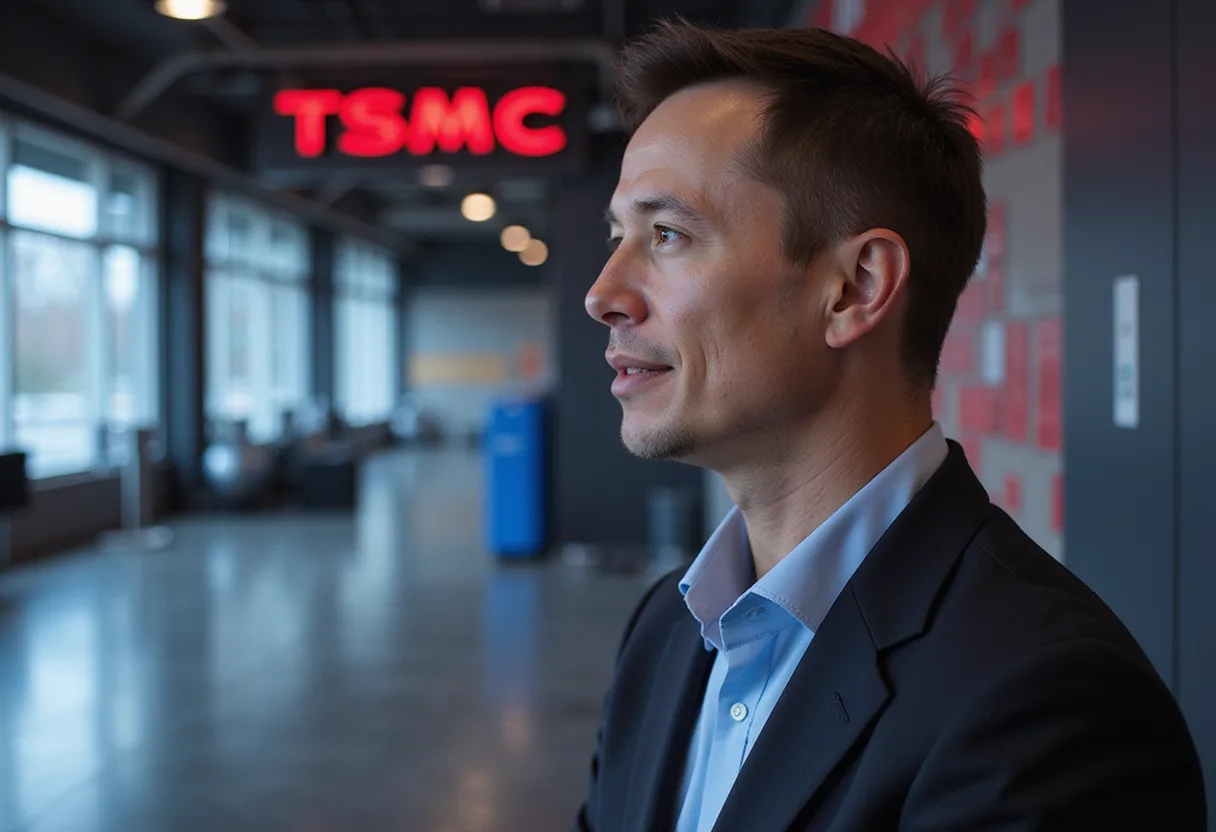
TSMC's expanding US footprint could throw sand in the gears of Elon Musk's Terafab ambitions, even as American equipment suppliers count the deal as fresh upside, Digitimes reports.
The collision is straightforward. TSMC is committing billions to new fabrication capacity on American soil, and Musk has floated plans for his own massive chip plant — the so-called Terafab — to feed xAI's insatiable appetite for AI training silicon. Both projects draw from the same shallow pool: US construction crews, cleanroom specialists, ultra-high-purity materials and the toolmakers who alone can furnish leading-edge lithography and deposition gear.
When the world's largest foundry and the world's richest man start bidding for the same engineers and the same wafer-fab equipment slots, something gives. According to Digitimes, what gives first is Musk's timeline.
Why would TSMC slow a rival's fab?
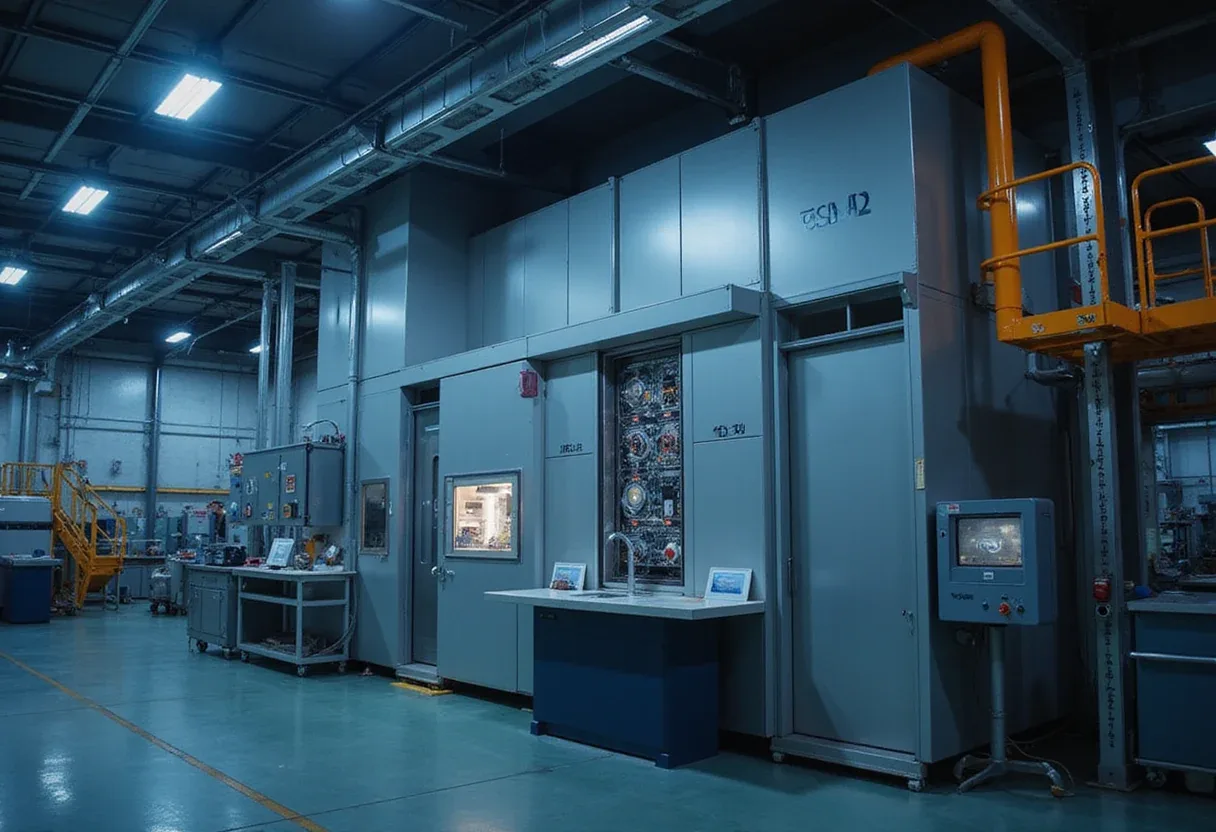
Scale, mostly. TSMC already runs its Arizona operations and has locked in expansion phases with suppliers years ahead. Musk's Terafab, by contrast, remains a roadmap rather than a poured foundation. A company that has committed capital and signed procurement contracts will always out-prioritize a company that hasn't — and every deposition chamber or lithography tool allocated to TSMC's US phases is one that arrives later at a greenfield Musk project.
There's a labor angle too. Fab construction and process-technician talent in the US remains scarce, and TSMC's expansions absorb a large share of it. Musk's timelines have historically slipped even when resources were plentiful. Add a competing megaproject upstream of yours, and the slip compounds.
The geopolitical backdrop sharpens the stakes. Washington has pushed hard to onshore leading-edge manufacturing, and TSMC's US investment is the centerpiece of that effort. A Terafab, if built, would compete for the same policy tailwinds — tax credits, fast-tracked permits, energy allocations — that TSMC now enjoys.
Where's the upside for US suppliers?
Here the story flips. Digitimes reports that American suppliers still see a net gain, and the logic is simple arithmetic: two huge fab projects, even staggered, buy more tools than one.
- Higher total order volume. Whether TSMC's capacity comes online first or Musk's plant follows later, US equipment and materials vendors book revenue either way.
- Pricing power on constrained items. When two marquee customers queue for the same tooling, lead times stretch and prices firm.
- A second bite at the apple. Suppliers who win TSMC qualifications position themselves for the Terafab's eventual procurement cycle.
In other words, suppliers don't need Musk to move fast. They need him to keep the project alive, and to keep ordering when the time comes.
What happens next?
The sequencing matters more than the rivalry. TSMC's committed US capacity sets the benchmark; Musk's Terafab remains a variable. If Musk's build accelerates, US suppliers face a genuine boom. If it stalls — as Musk timelines often do — TSMC's expansion alone still underwrites their order books, and the Terafab becomes leverage rather than lost business. Either way, Digitimes suggests, the equipment makers win the waiting game.
Note: This analysis is based on a summary report from Digitimes; detailed capacity figures and financial terms were not disclosed in the source.
Source: Google News: TSMC
More from Rebecca Stone
Show full bio
Correspondent covering technology and product news in Semiconductors, chip manufacturing, hardware, AI compute at Chip Dispatch.
562 articles
Related articles
tsmc-reportedly-in-talks-over-role-in-musk-s-terafab-project-bb0873b0
TSMC Reportedly in Talks Over Role in Musk's Terafab Project
musk-bars-tsmc-from-texas-terafab-semiconductor-project-66372cbc
Musk Bars TSMC From Texas Terafab Semiconductor Project
tsmc-confirms-talks-with-musk-draws-line-on-fab-control-c19882e6
TSMC Confirms Talks With Musk, Draws Line on Fab Control
tsmc-shares-hit-record-as-musk-confirms-early-terafab-talks-57032016
TSMC Shares Hit Record as Musk Confirms Early Terafab Talks