TSMC weighs rare-earth-free equipment as China tightens exports
TSMC is asking suppliers about rare-earth-free motors as China’s export licensing rules expose fab risks, while Taiwan prepares a pilot within three years targeting half of domestic needs.
- By
- Rebecca Stone
- Filed
- Channel
- Chips & Policy
- Read
- 3 min read
By Rebecca Stone
Taiwan plans to establish a pilot rare-earth production facility within three years that government officials say could cover about half of domestic demand, as industry executives indicate TSMC has begun early-stage supplier talks on motors that would not require rare-earth elements.
Taiwan’s Minister of Economic Affairs, Kung Ming-hsin, announced the timetable and scale. The government is investing in the Industrial Technology Research Institute (ITRI), which confirmed it is working with the ministry on domestic rare-earth capabilities. The facility remains a plan; the half-demand figure is a target, not operating capacity.
What changed in China?
China introduced licensing requirements last year for rare earth elements, magnets and processing techniques. Those measures created the disruption risk TSMC wants to blunt: Beijing’s export rules can restrict access to the materials and processing capabilities needed by factories outside mainland China.
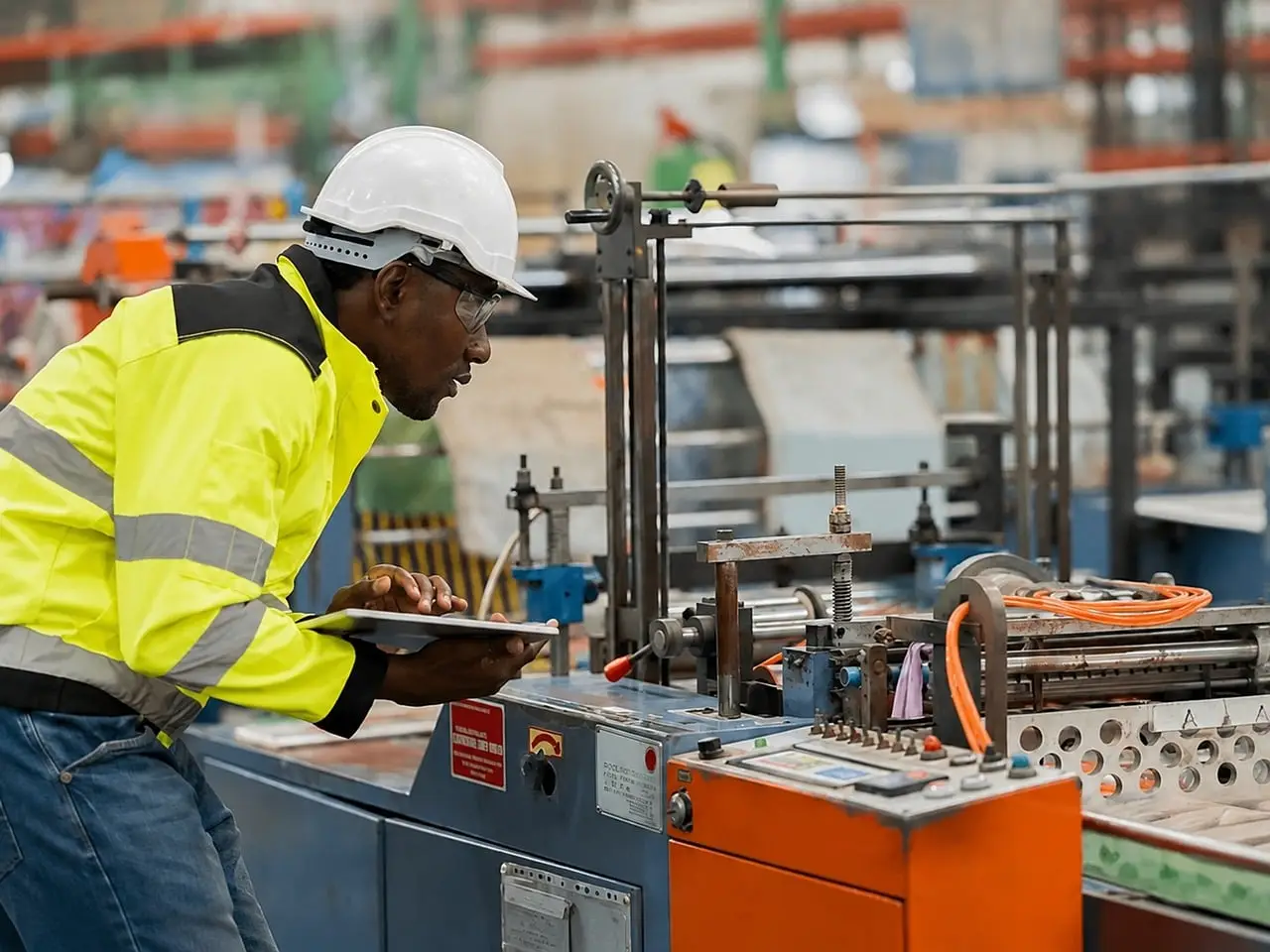
The exposure sits one layer below the chip. Rare-earth magnets are essential to the motors that drive automated production systems, and a shortage can slow chip output. For TSMC, the commercial risk is slower advanced-chip production when factory equipment cannot obtain the motors it needs.
A shortage of those components can slow production of chips used in defense, AI systems, data centers and mobile devices, widening the commercial exposure beyond any single chip program.
What is TSMC asking suppliers to change?
Industry executives indicated that TSMC has begun asking suppliers whether they can make motors that do not require rare-earth elements. The discussions remain preliminary, and they have not led to large-scale changes to production equipment. The practical result so far is feasibility work, not a converted production line.
The motivation is straightforward. According to Reuters sources familiar with the situation, TSMC wants to protect advanced-chip production from possible disruption under China’s stricter export regime. Supplier feasibility work lets the chipmaker test whether critical factory hardware can remain available under the licensing rules now in force.
Those corporate steps dovetail with the wider policy goal shared by Taiwan and the United States: reducing reliance on Chinese mineral resources. The immediate commercial logic is redundancy. Alternatives for one machine component can protect output when an upstream licensing decision changes the availability of another.
Can Taiwan close the supply gap?
Raymond F. Greene of the American Institute in Taiwan said Washington is working with allies to tap new sources of supply and improve the robustness of processing capacities. His comments place TSMC’s supplier inquiry inside a broader allied effort to reduce dependence on Chinese mineral sources.
Taiwan is pursuing domestic capacity in parallel. Besides the planned pilot, the government is investing in ITRI’s work to build rare-earth capabilities. The three-year deadline and roughly 50% coverage target are policy ambitions, not confirmed output from a working facility.
US officials have taken an interest in the ITRI project because they seek to diversify global critical-mineral supply. ITRI confirmed its cooperation with Taiwan’s Ministry of Economic Affairs but provided no further details. Other project parameters remain unspecified.
For TSMC, the near-term outcome depends on what suppliers can design and what China permits. A motor without rare earths could remove one licensing choke point; Taiwan’s pilot could add a domestic source within the announced window. Neither measure changes the immediate supply equation on its own.
The practical watchpoint is conversion, not announcement. TSMC’s talks have yet to trigger large-scale equipment changes, while Taiwan’s pilot remains a plan with a three-year deadline. Until supplier designs move into factory use, the dependency remains a risk rather than a closed vulnerability.
The next test will be whether suppliers can move rare-earth-free motors from feasibility talks into production tools if export licensing tightens further; until then, TSMC’s output remains exposed to a component bottleneck that Taiwan’s planned domestic capacity does not yet solve.
Source: Google News: TSMC
More from Rebecca Stone
Show full bio
Correspondent covering technology and product news in Semiconductors, chip manufacturing, hardware, AI compute at Chip Dispatch.
726 articles
Related articles
anthropic-ipo-filing-exposes-tsmc-concentration-risk
Anthropic IPO Filing Exposes TSMC Concentration Risk
taiwan-moves-to-tighten-ai-chip-export-controls-to-china-01cbc25d
Taiwan Moves to Tighten AI Chip Export Controls to China
beijing-s-export-controls-mature-as-trump-pulls-back-china-tech-curbs-001e83ea
Beijing's Export Controls Mature as Trump Pulls Back China Tech Curbs
us-chip-supply-chain-still-runs-through-china-for-rare-earths-3aff46ea
US Chip Supply Chain Still Runs Through China for Rare Earths