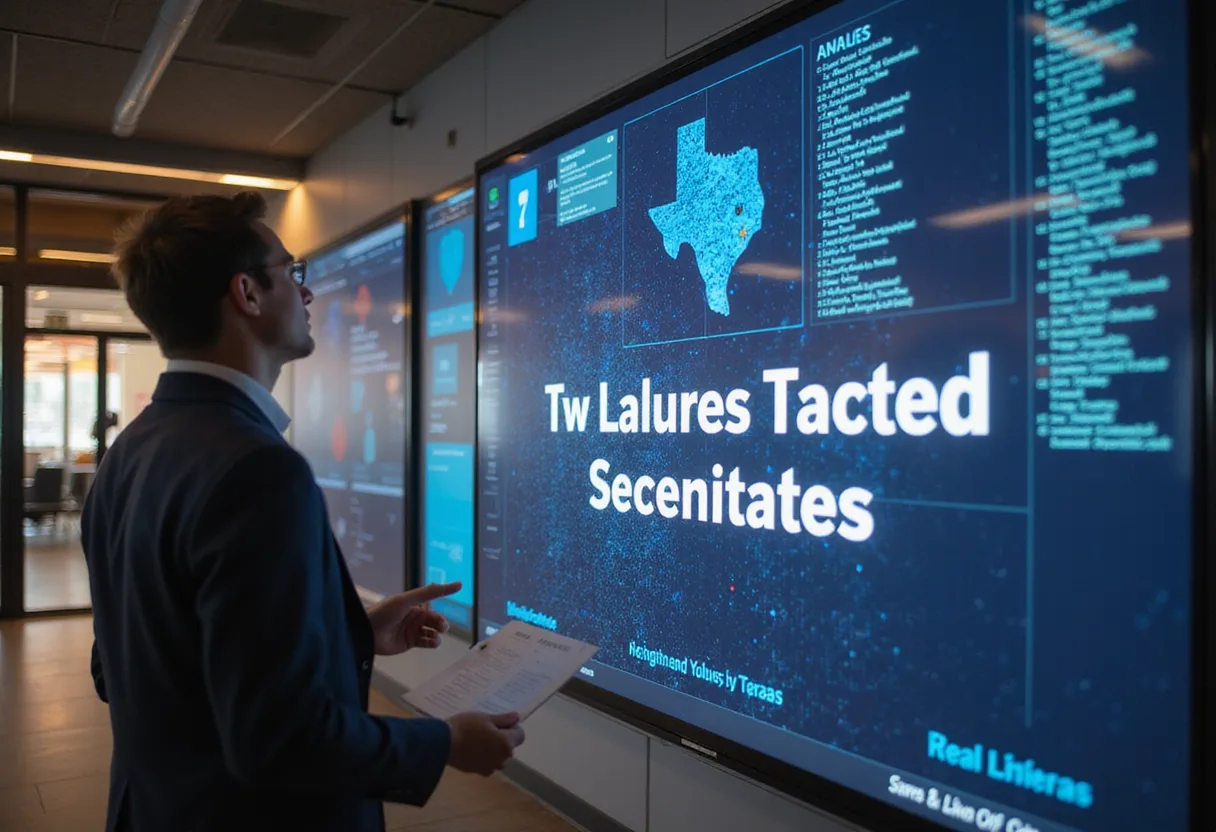
TSMC Weighs Texas Expansion for US Chip Production
TSMC is exploring a Texas investment to expand US chip production, AP reports. No dollar figure, node, or timeline was disclosed, leaving the project short of a commitment.
- By
- Sophie Lindqvist
- Filed
- Channel
- Chip Manufacturing
- Read
- 3 min read
TSMC is exploring an investment in Texas to expand its production footprint in the United States, according to a report by The Associated Press. The disclosure is preliminary. No dollar figure, capacity target, or process node accompanied it, and that absence matters more than the announcement itself.
The report names Texas as the candidate location. It does not name a specific site, a construction timeline, or a customer commitment tied to the plant. TSMC has not confirmed any final decision. Exploration is not a board-approved capital expenditure. Readers should treat this as a signal of intent, not a fab.
Why Texas, and why now?
Texas offers the foundry a familiar regulatory environment and an existing semiconductor labor pool, anchored by Samsung's Taylor wafer plant and Texas Instruments' Dallas-area fabs. Governor Greg Abbott's administration has courted chipmakers aggressively since the CHIPS and Science Act opened federal subsidies in 2022. TSMC has drawn on that program before. The AP report frames the Texas exploration as a continuation of the company's broader US expansion, which began with its flagship Arizona complex.
Arizona remains the reference point. TSMC has committed to multiple fabs there and has qualified advanced production on US soil, with volumes ramping for customers including Apple. Any Texas project would presumably follow the same pattern: federal incentives, a phased build, and a multiyear ramp before revenue-bearing wafers ship.
What the report does not say
A skeptic's checklist runs long here, because the AP report provides a direction rather than a deal. Consider what is missing:
- No stated investment amount.
- No wafer size or process node.
- No capacity figure in wafers per month.
- No construction start date or production date.
- No confirmation of which customers would load the plant.
Each of those gaps is normal at the exploration stage. Each also separates a commercial decision from a press-friendly gesture.
The geopolitical subtext
TSMC's American buildout answers pressure from two directions at once. Washington wants leading-edge manufacturing onshore, and it has put money behind that goal through CHIPS awards. Taipei, meanwhile, wants TSMC to keep its most advanced technology anchored in Taiwan, where the company runs the bulk of its capacity and its most cutting-edge nodes. Every new US site shifts that balance slightly, and every announcement invites scrutiny over which process generations will actually transfer.
The AP report does not address the node question for Texas. That silence is the single most important unknown. A trailing-edge plant serves automotive and industrial customers and carries modest strategic weight. A leading-edge plant changes the competitive map.
What to watch next
Confirmed numbers will precede a confirmed project. Watch for a CHIPS-related award letter, a Texas state incentive package, or a TSMC capital-expenditure line item that names the site. Absent those, this remains an option the foundry is pricing, not a commitment it has signed. If the company proceeds, the competitive pressure on Samsung and Intel's foundry units, both of which also chase US-sited advanced capacity, would tighten considerably.
Source: Google News: TSMC
More from Sophie Lindqvist
Show full bio
News editor covering money, funding and market shifts around Semiconductors, chip manufacturing, hardware, AI compute at Chip Dispatch.
521 articles
Related articles
tsmc-weighs-texas-expansion-for-additional-us-production-25827b46
TSMC Weighs Texas Expansion for Additional US Production
tsmc-weighs-new-texas-investment-to-widen-us-production-47383e43
TSMC Weighs New Texas Investment to Widen US Production
tsmc-reportedly-weighs-texas-for-second-u-s-chipmaking-hub-4f476831
TSMC Reportedly Weighs Texas for Second U.S. Chipmaking Hub
tsmc-evaluates-potential-texas-investment-sources-say-8df51fa6
TSMC Evaluates Potential Texas Investment, Sources Say