TSMC’s $60B–$64B Capex Year Comes With Six Worker Deaths
TSMC’s $60 billion-to-$64 billion 2026 capex budget and raised 44% revenue forecast meet six reported site deaths, a construction halt and doubts over AI investment returns.
- By
- Rebecca Stone
- Filed
- Channel
- Chip Manufacturing
- Read
- 4 min read
By Rebecca Stone
TSMC has budgeted $60 billion to $64.0 billion for 2026 capital expenditure, and media reports say six workers have died at its construction sites this year. The two figures frame a difficult early-November test: management is preparing a major spending year while labor groups and bereaved families press for tighter government oversight of safety at those sites.
On Nov. 3, demonstrators gathered outside Taiwan’s government headquarters, where labor groups and families of deceased workers called for stronger state supervision of TSMC construction sites. Their demands did not amount to tighter rules already in force.
Investors were left holding two largely separate issues: worker safety at building projects and returns on the AI investment boom.
Has TSMC stopped chip production?
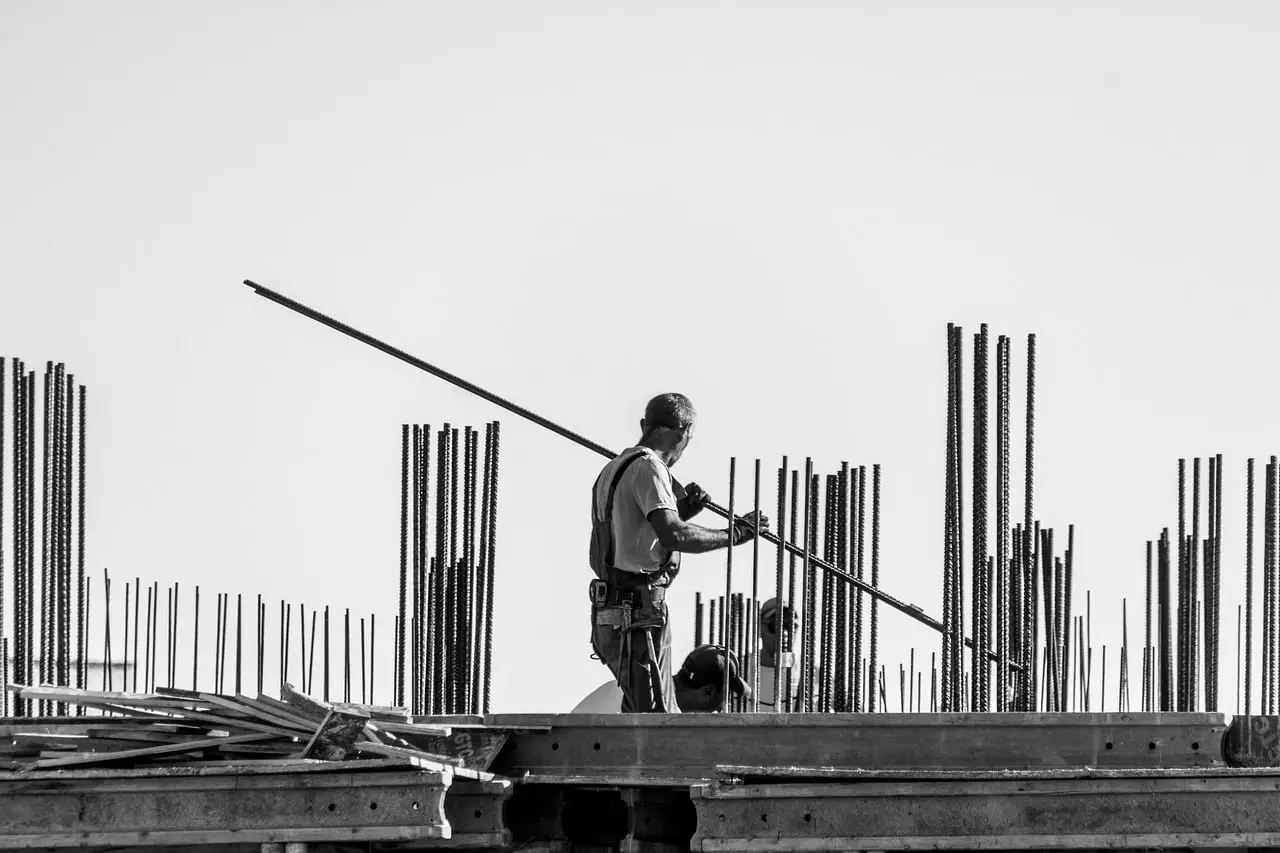
No production shutdown. The Oct. 21 disclosure followed an accident that killed four contractor employees at the Fab 22 construction site in Kaohsiung. TSMC said it had halted steel structure work at Fab 22 and at its other new fab construction sites in Taiwan while investigating the cause.
The halt covered steel structure work on new buildings, not a general stoppage of chip production. Construction progress and operating output therefore remain separate commercial variables, even as investigators examine what killed the four workers.
What did the typhoon change?
TSMC activated its standard protection protocols at all sites in Taiwan on Oct. 23, ahead of a typhoon. In an update reported by Reuters, the company said, “operations continued normally and without significant disruption.” That was not a safety clearance.
The statement addressed the storm. It said nothing about the fatal construction accident or the scope of the safety response. For investors, a weather-protection deployment with minimal operating impact says little about conditions on building sites.
Is TSMC’s AI problem a revenue problem?
TSMC’s stock came under pressure on Nov. 3 in a global technology selloff. Media reports pointed to investor doubts about the payoff from heavy AI spending. No fresh company forecast.
The debate centered on how quickly those investments would generate economic returns, rather than on the pace of revenue growth. Uncertainty surrounding the U.S. midterm elections added to the mood, and foreign investors sold Taiwanese equities, according to the report.
Those sector-wide flows overshadowed TSMC’s company-specific prospects. Doubts about the investment cycle are not equivalent to a revenue-guidance cut. Three weeks earlier, TSMC had raised its 2026 revenue growth forecast in U.S. dollars to 44%, a planning target rather than revenue already achieved.
Management’s planning still pointed to expansion, but the higher target did not settle the return-on-investment question. At the same presentation, TSMC maintained its 2026 capital expenditure budget at $60 billion to $64.0 billion. The budget is not the verdict.
The spending figure defines management’s financial frame. It signals neither a deteriorating business nor a guaranteed future return, according to the analysis. That distinction keeps the debate focused on measurable growth versus the expectations investors attach to it.
What could the rare-earth review change?
TSMC was examining alternatives to rare-earth components used in fab equipment, Reuters reported on Oct. 22. The goal was to reduce operational exposure to Chinese export controls, a supply-chain risk that could affect equipment availability rather than just sentiment about AI demand.
The review remained an active examination. The report did not announce a chosen alternative, identify a supplier or quantify the expected risk reduction.
What will the November 10 revenue release show?
TSMC was scheduled to publish its October 2026 monthly revenue on Nov. 10, giving investors a dated checkpoint on business momentum. The release may clarify the revenue trend behind the raised 44% full-year forecast, but it cannot, on its own, resolve the return question.
Nor will monthly revenue settle the safety debate. Findings from the construction investigation and any decisions on restarting steel work will determine the pace of new-fab progress. Those choices matter because construction and production remain separate parts of TSMC’s operating risk.
Going forward, the questions are whether monthly revenue supports the 44% forecast, whether halted steel work restarts after the safety inquiry, and whether TSMC can reduce reliance on rare-earth components exposed to Chinese export controls.
Source: Google News: TSMC
More from Rebecca Stone
Show full bio
Correspondent covering technology and product news in Semiconductors, chip manufacturing, hardware, AI compute at Chip Dispatch.
691 articles
Related articles
three-workers-dead-after-steel-beam-fails-at-tsmc-kaohsiung-site-9fc578c1
Three Workers Dead After Steel Beam Fails at TSMC Kaohsiung Site
two-workers-found-without-vital-signs-at-tsmc-kaohsiung-fab-site-bd2e9f7f
Two Workers Found Without Vital Signs at TSMC Kaohsiung Fab Site
taiwan-raises-4-billion-for-texas-industrial-park-backing-us-chip-supply-chain-7d8bd305
Taiwan Raises $4 Billion for Texas Industrial Park Backing US Chip Supply Chain
taiwan-clears-44b-in-tsmc-u-s-investments-edb2304b
Taiwan Clears $44B in TSMC U.S. Investments Since 2020