Uber launches parking service from 13,000-location SpotHero network
Uber has launched parking reservations in 15 U.S. cities using SpotHero's 13,000-location network, while tying the service to commuter bundles, Uber One credits and a future robotaxi role.
- By
- Sophie Lindqvist
- Filed
- Channel
- Tech Business
- Read
- 3 min read
By Sophie Lindqvist
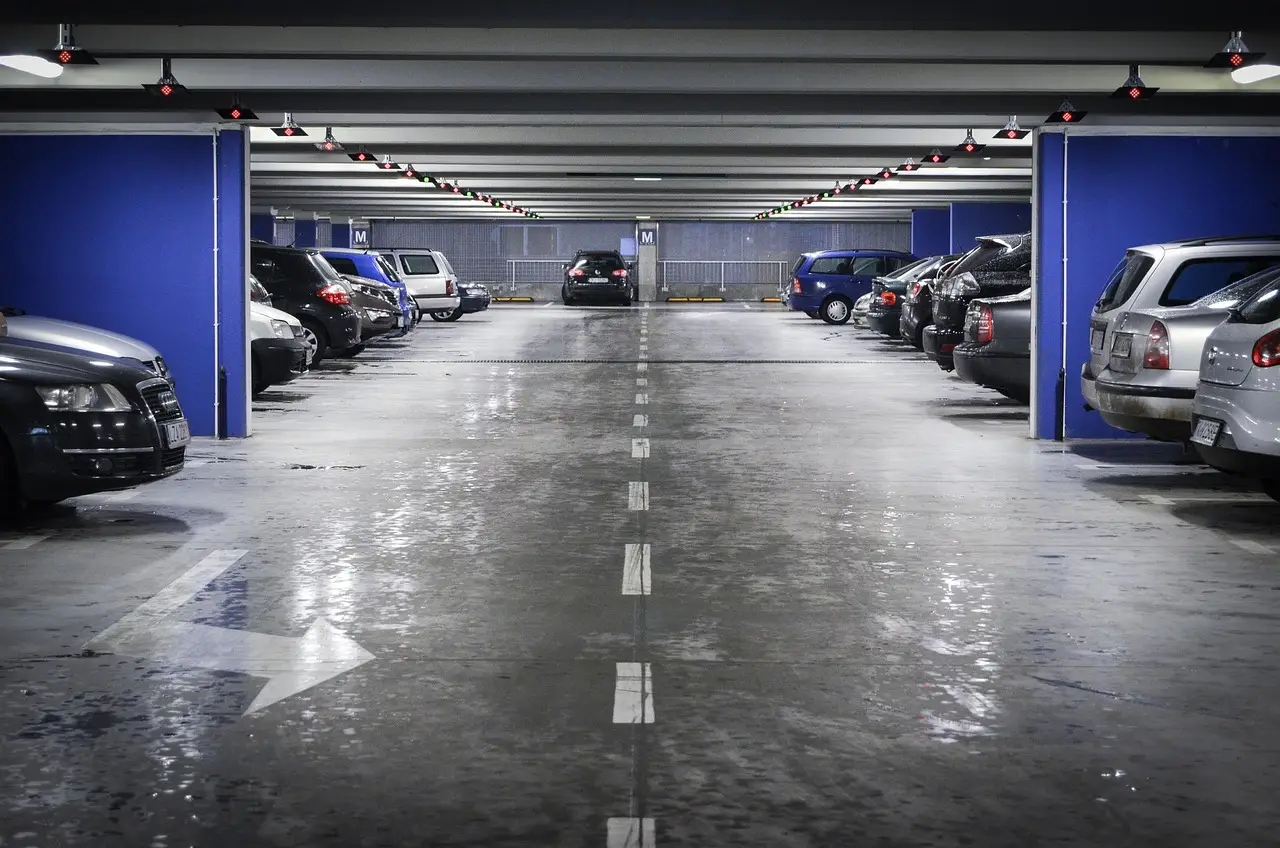
Uber said on Monday that it is launching Uber Parking in 15 U.S. cities, using a SpotHero network of 13,000 garages, lots and valet services across more than 400 cities.
That launch comes about nine months after Uber acquired SpotHero, a deal announced in February, and centers on parking reservations and payment through the ride-hailing company’s app.
Where does Uber Parking operate?
Uber will initially offer the service in:
- Atlanta
- Austin
- Boston
- Chicago
- Dallas
- Denver
- Los Angeles
- Miami
- Nashville
- New York City
- Philadelphia
- San Diego
- San Francisco
- Seattle
- Washington, DC
At launch, Uber is serving commuters who drive their own vehicles. The service covers 15 of the more than 400 cities available through SpotHero, so the larger network represents potential reach rather than confirmed launch coverage.
Why does Uber want parking inside its app?
Earlier this month, Uber CEO Dara Khosrowshahi said on the company’s third-quarter earnings call:
“Commute is one of our largest categories.”
“And to be able to offer commuters an Uber to work, a pass to avoid surge, and parking if they want it when they want to drive is a great example of us building out our inventory of services to the commuter who is a top customer for us.”
Parking extends an inventory of services that already includes ride hailing, food and groceries, package delivery, car rental, hotels, public transit and robotaxi connections. Uber describes the portfolio as an ecosystem designed to keep customers engaged across those categories.
Uber did not disclose launch prices, its take rate, expected revenue, garage participation or booking volumes, leaving the commercial scale of the 15-city service unstated.
How does the reservation and entry process work?
Users reach Uber Parking from the app’s homescreen. They enter a destination, date and time, then review options on an interactive map. Filters cover self-parking, valet, garages and surface lots, and Uber displays all prices before the reservation.
After choosing a location, the user enters vehicle details and pays through the Uber wallet. On arrival, a unique QR code or license plate recognition provides entry. Bookings can be canceled free of charge until the start time.
The app centralizes parking discovery, payment and vehicle entry, but Uber did not state whether every one of the network’s 13,000 locations is bookable at launch. The company also published no capacity figures for individual garages or lots.
How does Uber One fit?
Uber One had more than 55 million members as of September 30, and Uber credits the program’s rewards and perks with helping it grow.
Eligible parking reservations earn members 10% back in credits. Those credits can pay for later rides and Uber Eats orders, allowing the parking discount to feed usage elsewhere in the app.
Credits may support member retention, but Uber disclosed neither a parking-redemption forecast nor a target for incremental bookings. The 55 million-member total therefore signals distribution potential, not confirmed parking demand.
What role can the sites play in robotaxi operations?
Uber’s initial focus remains human drivers, but the company plans to use parking locations as staging and waiting areas for autonomous vehicles. The aim is to reduce congestion and deadheading, which the company defines as miles traveled without a paying passenger or cargo aboard.
Uber says it has partnered with dozens of autonomous vehicle companies and could give those fleets access to the SpotHero network. That is a roadmap rather than an announced operating program: Uber did not name the partners, identify staging sites, set launch dates or provide vehicle-capacity commitments.
The immediate commercial test is whether Uber can turn a 15-city reservation service into meaningful use of a 400-plus-city network while retaining commuters and attracting autonomous fleets. Pricing, garage capacity and robotaxi timing remain undisclosed, so neither the revenue case nor the network’s full commercial scale is yet proven.
Source: techcrunch.com
More from Sophie Lindqvist
Show full bio
News editor covering money, funding and market shifts around Semiconductors, chip manufacturing, hardware, AI compute at Chip Dispatch.
835 articles
Related articles
tesla-opens-275-square-mile-robotaxi-zone-in-san-antonio
Tesla opens 275-square-mile Robotaxi zone in San Antonio
apple-closes-above-350-as-market-value-returns-to-5-trillion
Apple Closes Above $350 as Market Value Returns to $5 Trillion
nvidia-trades-at-rare-discount-as-election-selloff-tests-ai-moat
Nvidia Trades at Rare Discount as Election Selloff Tests AI Moat
palladyne-ai-lifts-revenue-floor-to-25-million-after-record-quarter
Palladyne AI Lifts 2026 Revenue Floor to $25 Million After Record Quarter