Tech Business · 3 min read
Uber, Nuro and Lucid start driverless testing in four Bay Area cities
Nuro, Lucid and Uber began driverless public-road testing in four Bay Area cities using modified Lucid Gravity SUVs, with a public Uber launch planned for the first quarter of 2027.
Key takeaways
- Lucid delivered more than 100 modified Gravity robotaxis for fully driverless testing.
- Driverless road testing began in four Bay Area cities without a safety operator.
- Uber committed to buy at least 35,000 Lucid vehicles equipped with the Nuro Driver.
- A public Bay Area launch through Uber is targeted for the first quarter of 2027.
- Nuro holds a California DMV driverless testing permit and is one of six permitted companies.
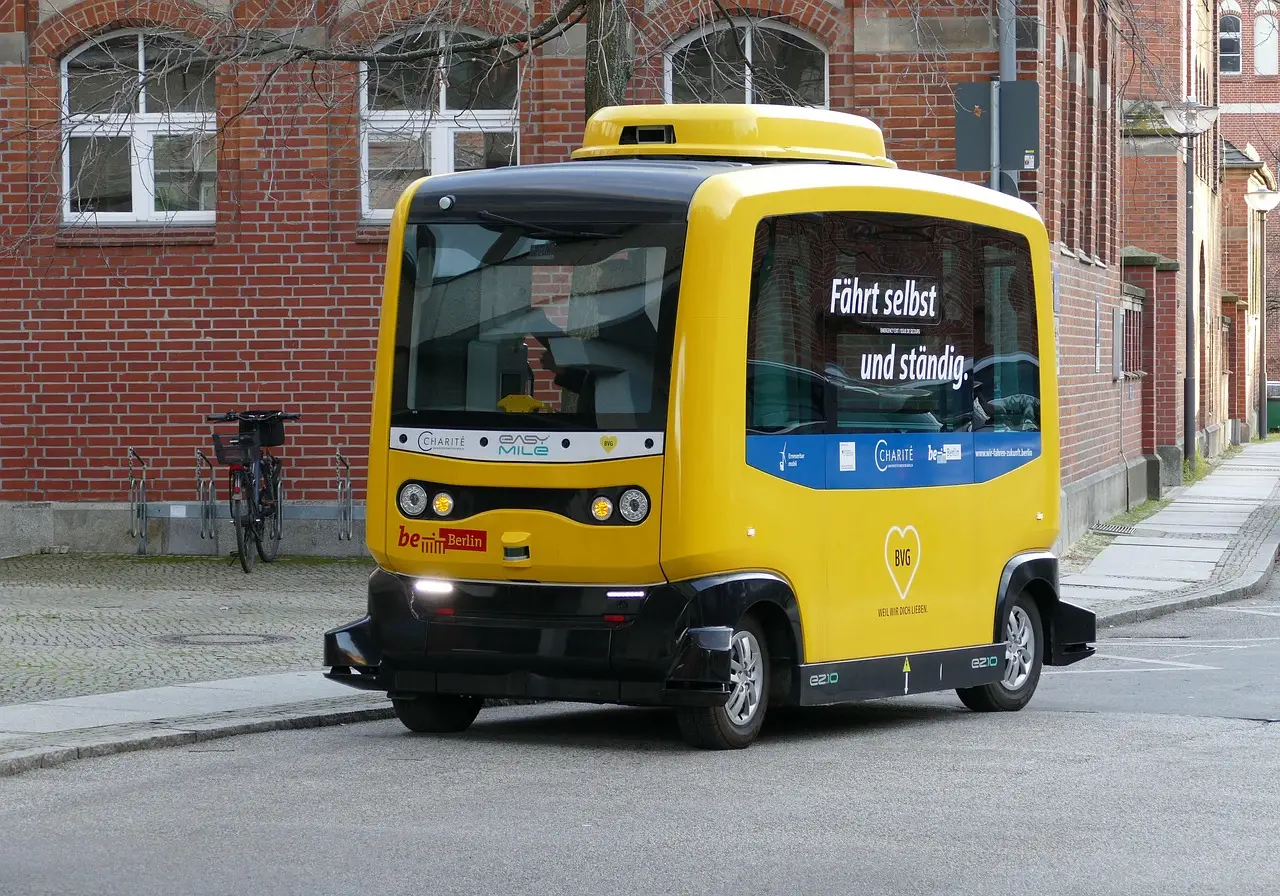
Lucid has delivered more than 100 modified Gravity robotaxis for a fully driverless public-road testing program involving Uber, Nuro and Lucid. The companies said on Tuesday, Nov. 24 that testing had begun in Palo Alto, Mountain View, Los Altos and Sunnyvale. No safety operator sits behind the wheel.
What is testing on public roads?
The modified Lucid Gravity SUVs use Nuro’s autonomous driving system, called the Nuro Driver. The vehicles circulate without a safety operator on public roads in the four named cities. The companies plan to add more Bay Area cities next year. Employee rides should begin soon.
The companies target a public Bay Area launch in the first quarter of 2027. Riders would hail those robotaxis through the Uber app. Public rides have not started in the four test cities, and employee rides remain the next step.
Samarth Kejriwal, Uber’s global head of autonomous mobility, said Uber was preparing “for our first driverless passenger rides in the coming months.” The statement points to employee testing preceding public access. The announcement gives no fares or launch vehicle count.
How did the program reach this stage?
Uber, Nuro and Lucid announced the partnership in July 2025. Nuro began testing a Lucid Gravity robotaxi with a safety driver in the Bay Area and Houston in December 2025. It also ran validation and no-operator tests at its closed course in Las Vegas. This progression moved from supervised public testing to unattended operation on public streets.
The Gravity robotaxi carries high-resolution cameras, lidar and radar. Nuro uses the sensor set for autonomous driving. Earlier that year, Nuro received two California permits.
A California Public Utilities Commission drivered pilot permit covers passenger rides with a safety operator. A California DMV driverless testing permit allows driverless testing on public roads. The latter makes Nuro one of six companies authorized for such testing in California.
What does Uber’s 35,000-vehicle commitment cover?
Uber has committed to buy at least 35,000 Lucid vehicles equipped with the Nuro Driver. The order covers Gravity vehicles and Lucid’s future midsize model. Uber will own and operate the vehicles. It will offer them only through its own network.
The agreement assigns Uber more than vehicle procurement. Uber will design the in-cabin experience and handle rider support. Lucid supplies the vehicles, while Nuro supplies the autonomous driving system. The partnership combines vehicle production, autonomous driving and a ride-hailing platform in one operating arrangement.
The 35,000-vehicle figure is a purchase commitment, not a confirmed Bay Area launch fleet. More than 100 Gravity robotaxis form the current testing fleet. The announcement sets no delivery schedule for the full order. The first-quarter 2027 target covers a public service rollout, not completion of the entire purchase.
How do Waymo and Tesla compare?
Waymo suspended its Bay Area robotaxi service on Nov. 18 after heavy rain flooded streets and some of its cars stalled. Tesla opened public Cybercab rides in Dallas on Nov. 19. Those actions came six and five days before the Nov. 24 testing start.
Waymo was the direct Bay Area competitor. Tesla’s Dallas opening represented expansion in another metropolitan market. The sequence places Uber’s entry after a weather-related pause for Waymo and a separate launch by Tesla. Pricing for Uber’s planned Bay Area service remains undisclosed.
What milestones come before launch?
The program has three stated stages: no-operator road testing, employee rides and public availability. Lucid has delivered more than 100 modified Gravity robotaxis for the test fleet. Employee rides are expected soon. Additional Bay Area cities are planned next year.
Uber still targets a public Bay Area launch in the first quarter of 2027. The companies have not stated how much launch capacity will sit behind the 35,000-vehicle commitment. Execution now depends on employee rides, city expansion and conversion of the permitted test fleet into a public service. The next checkpoints are employee rides, added cities next year, and the first-quarter 2027 launch, with fares and service capacity still undisclosed.
mlq.ai (Source)
More from Grace Kim
Show full bio
Market editor covering people, launches and day-to-day practice in Semiconductors, chip manufacturing, hardware, AI compute at Chip Dispatch.
1,286 articles