UBS: Power Supply Will Just Cover AI Chip Boom — If Everything Gets Built
UBS analysts see electricity supply as just sufficient to sustain the AI chip boom — but only if nearly every planned power project is actually built and delivered on time.
- By
- Sophie Lindqvist
- Filed
- Channel
- AI & Compute
- Read
- 3 min read
UBS has concluded that electricity supply will be just sufficient to sustain the AI chip boom — but only on the condition that almost every planned power project on the books actually gets built.
That is a deliberately narrow verdict. The Swiss bank's analysts are not forecasting a power shortage that halts AI accelerator shipments. Nor are they projecting comfortable headroom. Their position sits between the two: the arithmetic works, but only if nearly the entire pipeline of generation capacity clears permitting, financing and construction hurdles and arrives on schedule.
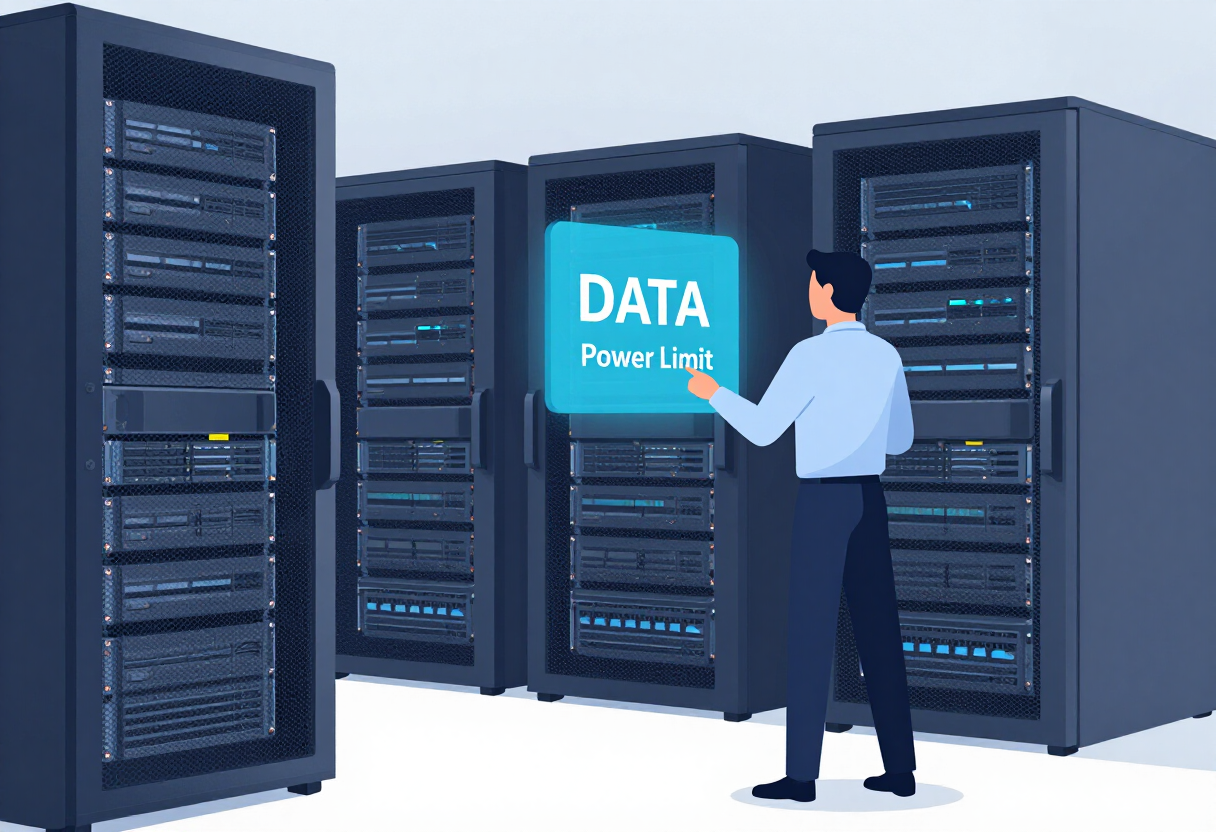
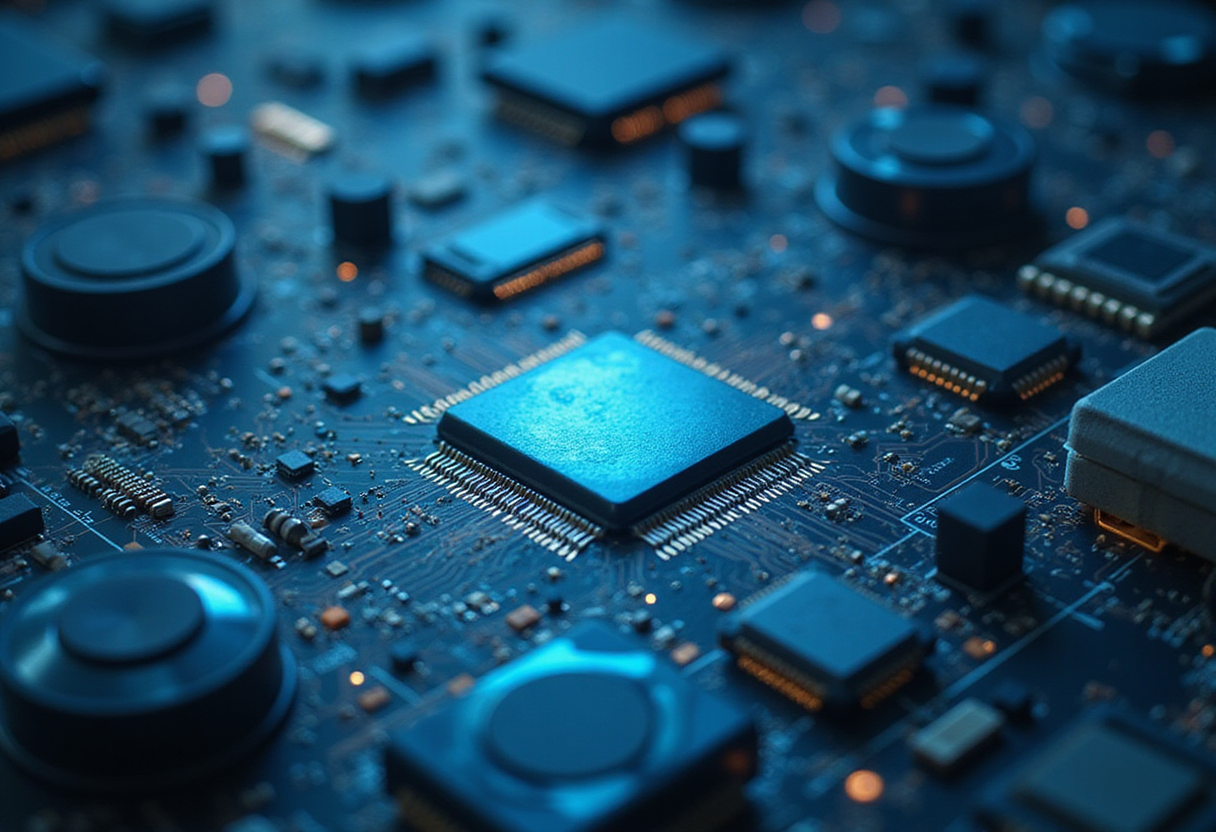
The framing matters for the semiconductor industry because AI chips are, in energy terms, demand aggregators. A single high-end accelerator rack draws power that would have served an entire data hall a decade ago, and hyperscalers cluster those racks in facilities that now consume electricity at the scale of small cities. Every incremental gigawatt of AI compute capacity translates directly into demand for silicon from the likes of Nvidia, AMD and the custom accelerator programs at Google, Amazon and Microsoft — and into advanced packaging and leading-edge wafer demand at TSMC and its supply chain.
UBS's conclusion therefore reads as both a reassurance and a warning. The reassurance: the power problem, which has dominated data center planning discussions for the past two years, is solvable within the timelines that matter for chip vendors' current order books. The warning: the margin for error is close to zero.
"Almost everything" is a demanding standard for infrastructure. Power projects — whether gas-fired plants, nuclear extensions, renewables paired with storage, or grid interconnects — routinely slip on permitting, supply of transformers and turbines, and transmission approvals. If even a modest fraction of the planned capacity is delayed or cancelled, the bank's balance tips from "just enough" to "not enough," and the constraint lands directly on the pace of AI data center deployments.
For chipmakers, the commercial implication is asymmetric. If the buildout holds, power ceases to be the gating factor and demand for AI silicon remains bounded by wafer supply, advanced packaging capacity and memory availability instead. If it slips, even healthy chip supply chains face a demand-side bottleneck that no amount of fab investment can relieve — a dynamic distinct from the component shortages of the last cycle, where the constraint sat inside the semiconductor supply chain itself.
The analysis also carries weight for capital allocation across the sector. Investors have been pricing continued hypergrowth in AI semiconductors on the assumption that the physical infrastructure — power above all — will keep pace. UBS is effectively saying that assumption is defensible but fragile: it holds under a specific, demanding set of execution conditions rather than as a baseline expectation.
The bank's use of "just enough" also implies something about the shape of the coming years. A system with no slack is a system in which localized constraints appear quickly. Individual regions, utilities or metro areas can hit walls even while the national or global aggregate balances — meaning chip demand could remain strong overall while specific data center projects face delays, reshuffling the timing, if not the direction, of accelerator orders.
UBS's bottom line is conditional optimism. The AI chip boom has the electricity it needs to keep running, provided the industry and its power suppliers execute on nearly everything they have promised — a standard the energy sector has rarely met in recent memory, and the variable most likely to determine whether accelerator shipments keep their current trajectory.
Source: Google News: AI chips
More from Sophie Lindqvist
Related articles
power-not-accelerators-now-caps-data-center-ai-scaling-6bd78ff3
Power, Not Accelerators, Now Caps Data Center AI Scaling
peak-xv-backs-indian-startup-c2i-as-ai-data-centers-hit-power-limits-71f8fcfc
Peak XV backs Indian startup C2i as AI data centers hit power limits
san-jose-chip-startup-raises-21m-for-ai-data-center-power-d5645e0a
San Jose Chip Startup Raises $21M for AI Data Center Power
on-semiconductor-positioned-as-sleeper-ai-infrastructure-play-fb6f3fd0
ON Semiconductor Positioned as Sleeper AI Infrastructure Play