US Closes GPU Rental Loophole; China Vows Countermeasures
Licenses now cover AI GPU rentals to all D:5 countries plus sales to five suspected transshipment hubs, days before Trump and Xi meet on Nov. 19. Beijing promises countermeasures.
- By
- Rebecca Stone
- Filed
- Channel
- Chips & Policy
- Read
- 3 min read
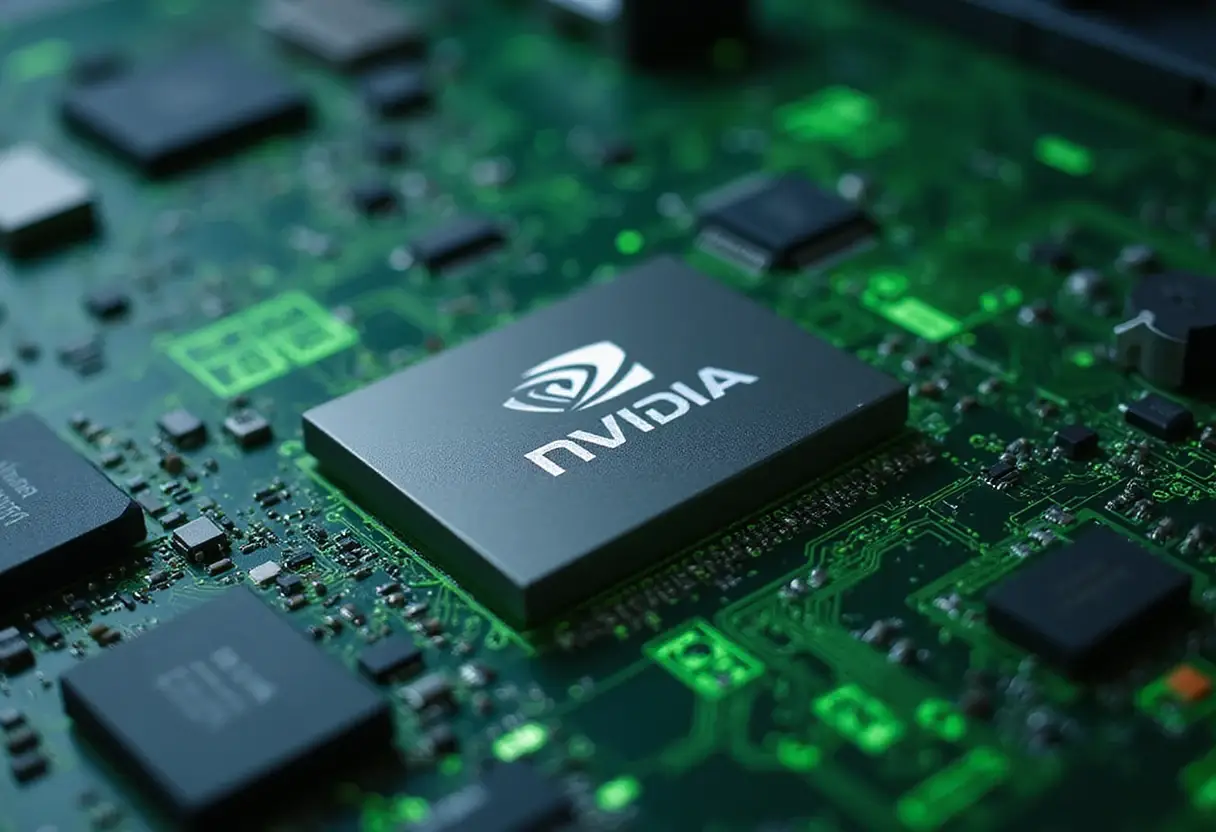
The Trump administration now requires export licenses for large-scale rentals of high-end AI accelerators — including Nvidia's Blackwell family — to every country on America's D:5 arms-embargo list, and Beijing says it will retaliate. China's Ministry of Commerce stated the country "will take countermeasures to firmly safeguard national sovereignty, security, and development interests."
The update closes one of the biggest remaining gaps in the U.S. chip-control regime: Chinese firms could previously sidestep restrictions on chip sales by renting the same silicon instead. That door is now shut.
What does the new rule change?
Two things, concretely:
- Rentals are covered. Renting high-end AI accelerators — Nvidia's Blackwell lineup prominently, though not exclusively — to any D:5 nation now demands a license.
- Five more countries need licenses for sales. The U.S. Department of Commerce now requires licenses for chip sales to Indonesia, Malaysia, Singapore, Thailand, and Brazil, on suspicion that companies there import Blackwell boards and re-export them to China.
The timing is combustible. Trump is attending the APEC summit in Shenzhen and meets President Xi Jinping on Thursday, Nov. 19 — days after a rule Beijing reads as provocation.
How did we get here?
The two countries fought a bitter trade war, stacking tariffs and restrictions on each other until a temporary truce in October 2025. Only some measures lifted. Chinese semiconductors still carry a 50% tariff entering the United States.
Nvidia had already moved. Last July it cut off roughly half of its Asian buyers, apparently under the shadow of export controls, and told data-center operators that over 50% of their business must come from non-Chinese companies. Malaysia and Singapore have both tightened scrutiny of AI-hardware shipments in parallel.
U.S. equity markets are already choppy, and the original report notes a swirling controversy around Nvidia's Jensen Huang and a reported relationship with a purported Chinese intelligence operative, along with suspicions that billions of dollars' worth of Blackwell chips may have been diverted through a Singapore-based outfit called Megaspeed into Chinese AI labs. Those allegations remain unproven.
What countermeasures does China have?
Beijing hasn't named its instruments. But the calendar does:
- Rare earths. The truce shelving China's rare-earth export restrictions expires Jan. 10, 2027 — weeks away from renewal decisions, not years. Analysts see the "nuclear option" of rare-earth export limits back on the table.
- Gallium, germanium, antimony. China's restrictions on these critical materials to the U.S. were shelved by the truce until November 2027. Beijing can simply decline to renew.
- Super-hard materials and high-density lithium batteries — crucial for the newest EVs, solar storage, and grid installations — also see their truce protections lapse early next year.
What happens after Thursday?
Analysts quoted in the coverage expect both governments to stay cordial through the summit itself, despite Trump's perceived provocation. But cordiality isn't de-escalation, and every expiry date above hands Beijing a ready-made lever.
Chinese firms and the government, analysts add, will keep pouring money into domestic chip production — Huawei foremost among the beneficiaries, though not the only one.
A tariff restart would inject fresh turmoil into U.S. stock markets already on edge. The likelier near-term flashpoint is Jan. 10, 2027: if Beijing lets the rare-earth truce lapse, the chip war's next season opens with China holding the minerals and the U.S. holding the fabs' chokepoint on advanced silicon.
Source: Tom's Hardware
More from Rebecca Stone
Show full bio
Correspondent covering technology and product news in Semiconductors, chip manufacturing, hardware, AI compute at Chip Dispatch.
1,104 articles
Related articles
us-drafts-ai-chip-export-rules-tying-licenses-to-us-investment-ea58c914
US Drafts AI Chip Export Rules Tying Licenses to US Investment
worldwide-ai-chip-export-controls-could-hit-nvidia-and-amd-18700fed
Worldwide AI Chip Export Controls Could Hit Nvidia and AMD
u-s-moves-to-tighten-ai-chip-export-rules-for-chinese-firms-overseas-02a796a4
U.S. Moves to Tighten AI Chip Export Rules for Chinese Firms Overseas
chinese-state-funds-tied-to-restricted-nvidia-ai-chip-purchases-3d3ea3c1
Chinese State Funds Tied to Restricted Nvidia AI Chip Purchases