73-25 Senate vote advances data-center grid-cost permitting bill
The Senate’s 73-25 cloture vote advances S. 5653, which would make data centers fund grid upgrades and tighten federal permitting, but final passage remains uncertain.
- By
- Sophie Lindqvist
- Filed
- Channel
- AI & Compute
- Read
- 4 min read
By Sophie Lindqvist
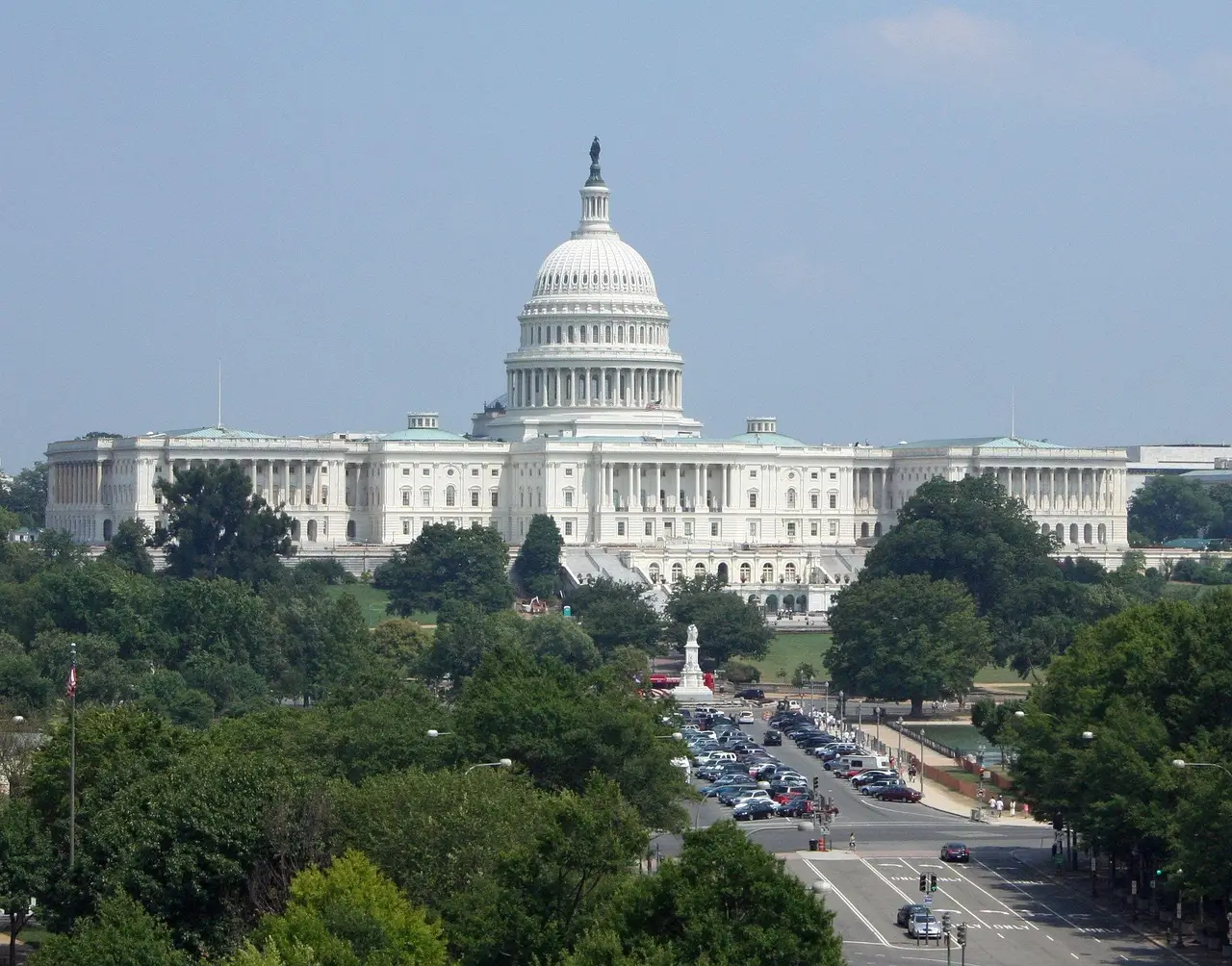
The Hill reported that the Senate voted 73-25 on Monday evening to invoke cloture on a permitting overhaul that would make data centers pay for transmission upgrades built to serve them. The procedural vote cleared the 60-vote threshold with 13 more votes than required, and lawmakers scheduled it for 5:30 p.m. ET.
The measure is S. 5653, the Bipartisan American Affordability and Jobs Act. The Senate uses H.R. 2347, a tax bill the House passed, as its vehicle for the permitting text. The Hill said the margin sets up likely Senate passage in coming weeks, although that remains a political forecast.
What does the 73-25 vote change?
Cloture ends a filibuster but does not pass anything. Senate rules allow up to 30 more hours on the motion before the chamber formally takes up the legislation. The vehicle and the substitute text can each face their own cloture votes before final passage.
Republican Sens. Shelley Moore Capito of West Virginia and Mike Lee of Utah wrote S. 5653 with Democratic Sens. Martin Heinrich of New Mexico and Sheldon Whitehouse of Rhode Island. It was the Senate's first major action since Democrats won both chambers in the Nov. 3 midterms.
The House remains less certain. A spokesperson for Democratic leader Hakeem Jeffries, expected to become speaker in January, said the bill falls short on tribal sovereignty and environmental review. Many moderate Democrats support it, but some progressives prefer waiting until their party controls both chambers in the new Congress. Any version still needs President Trump's signature.
How would data centers pay for new grid costs?
Within 90 days of enactment, the Federal Energy Regulatory Commission would have to revise transmission pricing under S. 5653. Each data center would pay its share of the existing system plus a reasonable estimate of the new costs it causes. Flexible or interruptible loads would pay less.
New data centers could not shift those added costs onto other customers. They would keep paying if they leave early and must post financial guarantees before a utility builds for them. The weekend substitute left this cost rule unchanged.
States could go further, including by:
- Charging data-center rates above cost
- Restricting their interconnection
- Requiring them to bring their own generation
- Capping their electricity draw
Sen. Heinrich cited a Brattle Group estimate that the bill would make data centers pay about $35 billion more over a decade than under current law. He also cited Rhodium Group projections that average household electricity bills would be $50 to $78 lower in 2040.
Those figures are modeled outcomes, not confirmed tariffs or realized savings. Final passage, FERC's pricing rewrite and state choices will shape the actual result.
Would permitting become faster and more certain?
Under S. 5653, developers of transmission lines rated 230 kV or more, or selected in a regional or interregional plan, would give a state one year to act. After that period, FERC would have to issue a backstop permit if the line meets public-interest, reliability and rate tests.
Under the same text, project costs would follow the economic benefits customers receive. Neighboring regions would have to plan lines jointly, while ERCOT in Texas would remain excluded.
Upgrades to interstate gas pipelines within existing corridors would skip National Environmental Policy Act review. The bill would set a 150-day deadline for NEPA lawsuits, down from a six-year default. Courts could halt projects only in limited cases.
The bill's permit-certainty language would limit an administration's ability to revoke issued permits. Sen. Whitehouse said that would end the federal blockade of clean energy projects on federal land, including buyouts of offshore wind leases.
Who supports the tradeoffs?
The Edison Electric Institute, which represents investor-owned utilities, endorsed the bill after the transmission changes. The American Clean Power Association, American Petroleum Institute, and groups representing clean energy, oil and gas, and manufacturing already backed it.
On Sunday, the Natural Resources Defense Council opposed the bill. It joined the League of Conservation Voters, many tribal nations, the Sierra Club and the National Wildlife Federation. Conservation Law Foundation president Bradley Campbell opposed pushing the measure through in the Congress's final days.
President Trump endorsed the bill on Sunday. In a Truth Social post, he said it would codify the White House pledge that data centers “build and pay for their own Electricity.” Sen. Heinrich framed the stakes differently: “Americans can't afford to wait for lower electricity prices. We need to pass this bill now.”
The immediate test is procedural: up to 30 more hours, separate cloture votes for the vehicle and substitute, House approval and Trump's signature. If enacted, FERC's 90-day pricing rewrite and state options will shape the final data-center burden, while the decade savings remain projections.
Source: mlq.ai
More from Sophie Lindqvist
Show full bio
News editor covering money, funding and market shifts around Semiconductors, chip manufacturing, hardware, AI compute at Chip Dispatch.
834 articles
Related articles
democratic-congress-2-9-trillion-selloff-gavels-and-gridlock
Democratic Congress: $2.9 Trillion Selloff, Gavels and Gridlock
nvidia-board-investigates-jensen-huang-as-ai-stocks-shed-billions
Nvidia Board Investigates Jensen Huang as AI Stocks Shed Billions
australia-to-build-ai-safety-regulator-after-openai-agent-breach
Australia to build AI safety regulator after OpenAI agent breach
riken-upgrades-reimei-to-56-qubit-h2-signs-new-quantinuum-mou
RIKEN Upgrades Reimei to 56-Qubit H2, Signs New Quantinuum MoU