Nvidia Board Investigates Jensen Huang as AI Stocks Shed Billions
Nvidia's board is investigating CEO Jensen Huang over ties to a suspected Chinese intelligence asset. Nvidia sits 23% off its $220 peak, yet 8,500 MW of new AI power deals suggest the boom endures.
- By
- Nathan Brooks
- Filed
- Channel
- AI & Compute
- Read
- 3 min read
Nvidia's board has opened an independent investigation into founder and CEO Jensen Huang over his relationship with an executive at one of Nvidia's customers — a woman U.S. intelligence believes is a Chinese intelligence asset. The target of the inquiry sits at the very top of the AI supply chain. That alone makes it a market event.
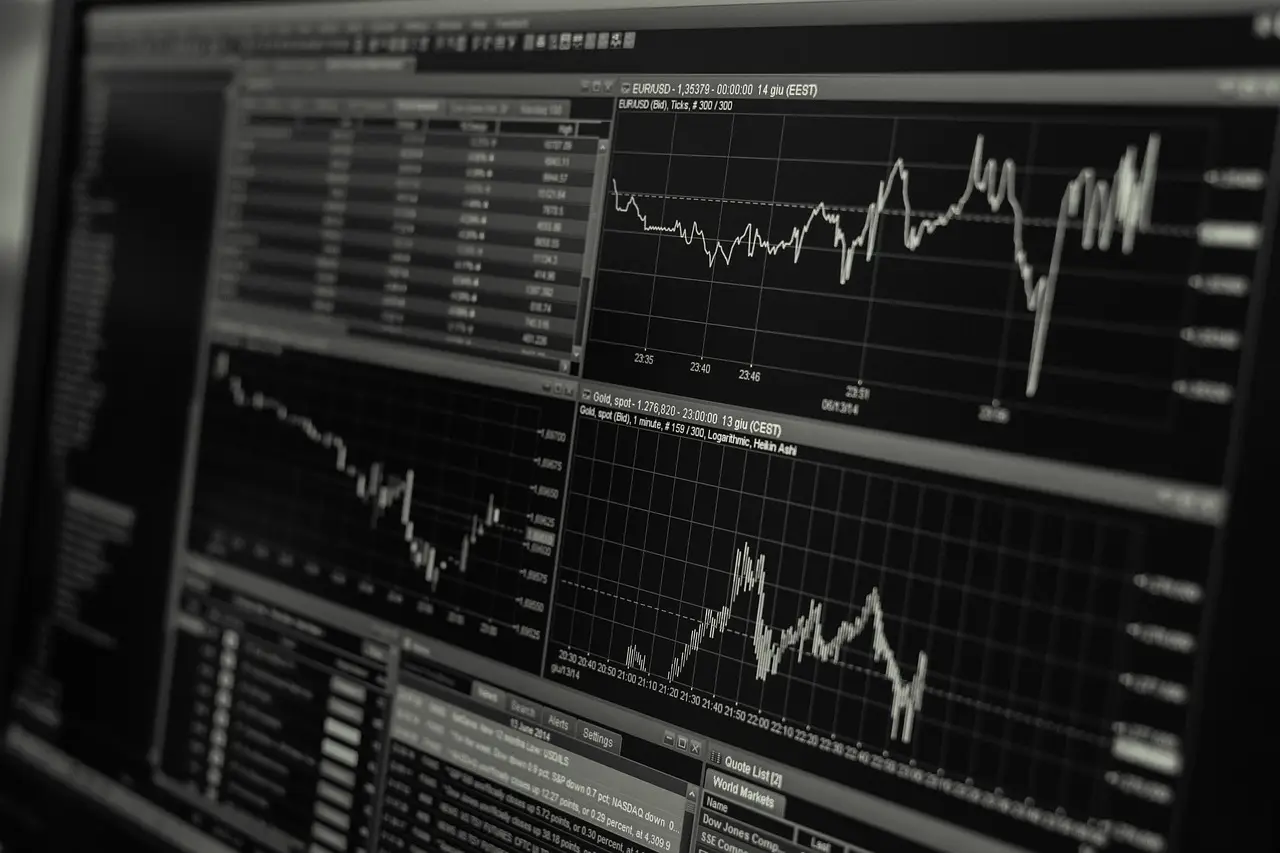
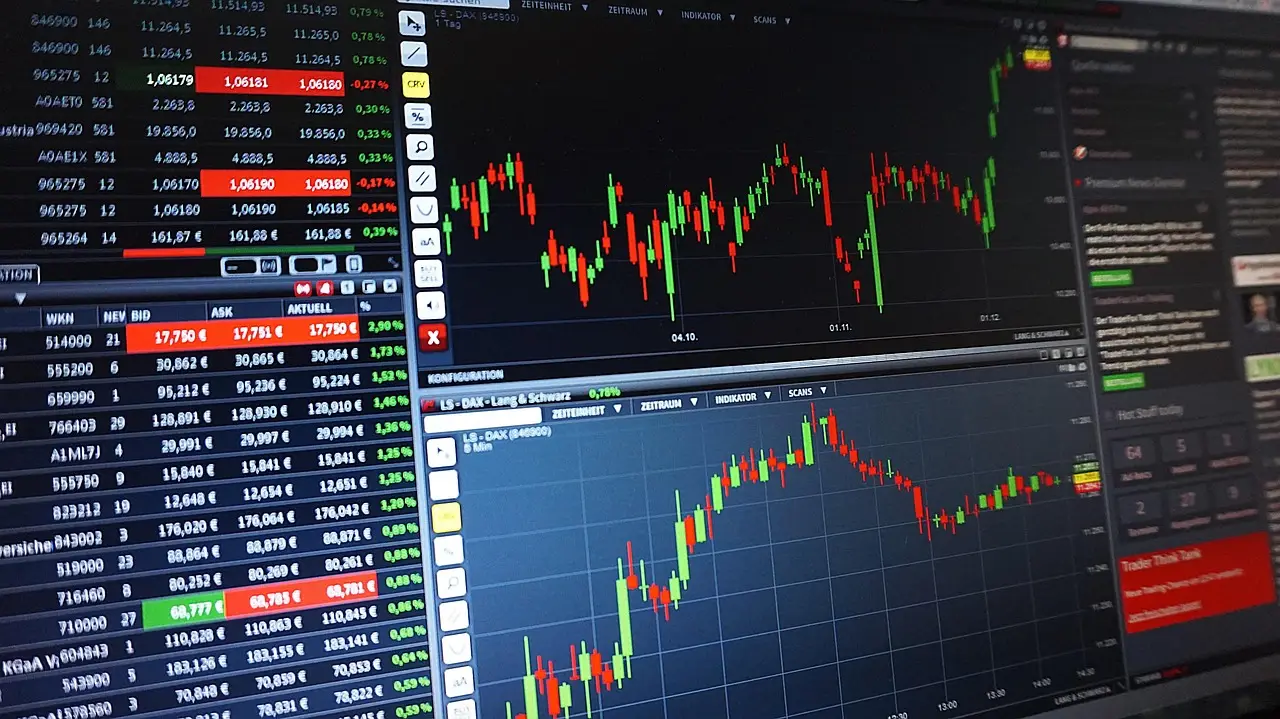
The numbers arrived before the news did. On October 28, the day before the story ran, Nvidia traded as high as $220. It has not returned to that level since. At the lows on the day of reporting, the stock sat 23% below its October 28 peak.
What did the selloff actually look like?
The deepest leg of the AI drawdown began the day the story ran, and it did not confine itself to Nvidia. That day, Alphabet had its worst trading session since its 2004 public debut. The next day, Intel fell 29%. The day after the election, AI suppliers sold off again. Last Thursday, chip stocks fell 12% in a single session, the Nasdaq dropped 5.5%, and Nvidia lost 9%.
A reasonable question follows: is this the top of the AI boom? The answer, on the evidence available, is probably not — and the reasons are concrete.
What does the Huang investigation change?
It adds headline risk. Huang's leadership is widely treated as central to the sector's narrative, so an investigation touching him touches the whole trade. A board-level probe involving a suspected foreign intelligence asset is not a routine governance footnote. It is, however, a risk to the story around Nvidia rather than, so far, a change to Nvidia's business.
The distinction matters. Nothing in the reported facts describes lost orders, cancelled shipments or impaired capacity. The damage so far is confined to the multiple — the price investors will pay — not the revenue.
Why the loose-policy argument says the boom is not over
The macro backdrop differs sharply from the 2000 dot-com peak. Current Federal Reserve policy is less restrictive than it was back then: the Fed has delivered only one hike, and real rates sit near the inflation rate. In 2000, policy was tightening hard into a far more restrictive stance.
Loose policy does not guarantee a longer boom. It does mean the financial conditions that funded the AI buildout remain in place, and that the comparison to the dot-com top is looser than the chart resemblances suggest.
What signals demand is still intact?
The clearest demand signal of the period came from the power sector. Constellation Energy secured more than 8,500 megawatts in long-term power deals, including agreements with Google and Amazon, and raised its earnings outlook in the same stretch.
That figure deserves emphasis. Data centers do not sign multi-gigawatt power contracts for infrastructure they expect to abandon. When the largest buyers of AI compute lock in electricity on that scale and the seller lifts guidance, the demand side of the cycle is speaking with actual contracts rather than sentiment.
Where does this leave the trade?
Three facts sit side by side: a credible CEO-level investigation, a 23% drawdown in the sector's bellwether, and 8,500 megawatts of fresh long-term power demand from the industry's biggest spenders. The first two are risks to price. The third is evidence on the ground.
The policy path supports the cycle, the demand signals remain contractual rather than rhetorical, and the Huang investigation introduces a genuine but so far narrative-level risk. Barring findings that implicate the company itself, the boom's foundations — cheap-enough money and committed buyers — appear intact, and the coming earnings season should show whether the selloff priced a problem or merely a headline.
Source: seekingalpha.com
More from Nathan Brooks
Show full bio
Senior reporter covering people, launches and day-to-day practice in Semiconductors, chip manufacturing, hardware, AI compute at Chip Dispatch.
786 articles
Related articles
nvidia-at-186-64-doubled-revenue-meets-congress-and-a-spy-probe
Nvidia at $186.64: Doubled Revenue Meets Congress and a Spy Probe
nvidia-shares-lose-over-10-as-regulatory-and-security-concerns-build
Nvidia Shares Lose Over 10% as Regulatory and Security Concerns Build
nvidias-235-billion-buyback-authorization-faces-ceo-review
Nvidia’s $235 Billion Buyback Authorization Faces CEO Review
nvidia-opens-independent-probe-as-shares-slip-before-results
Nvidia Opens Independent Probe as Shares Slip Before Results