AI Data Center Boom Drives Fiber Cable Prices Up 10X, Starving Ukraine's Drone Line
Fiber cable prices have risen 6-10X as AI data centers absorb supply. Ukraine got 72 miles of fiber in August 2025; Russia imported 328,000 miles.
- By
- Rebecca Stone
- Filed
- Channel
- Hardware & Components
- Read
- 3 min read
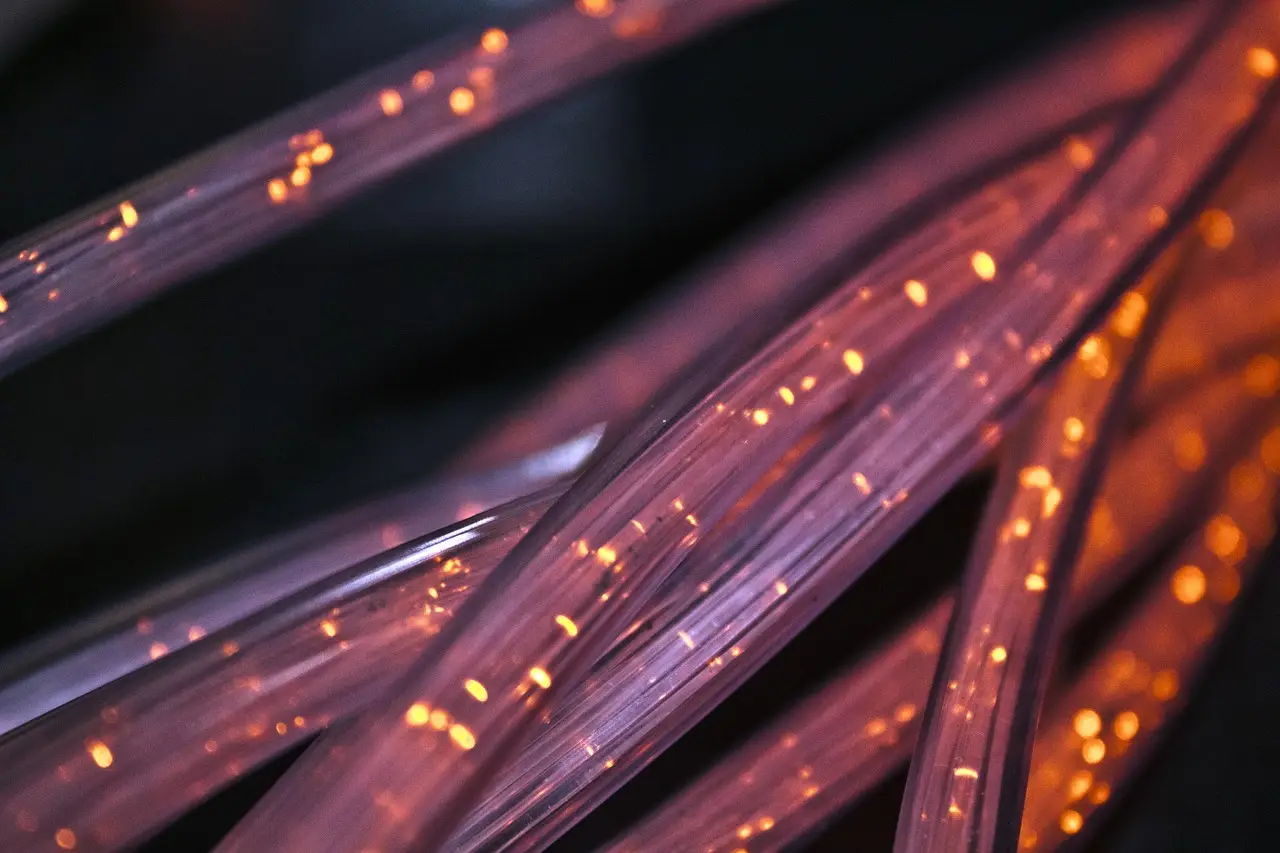
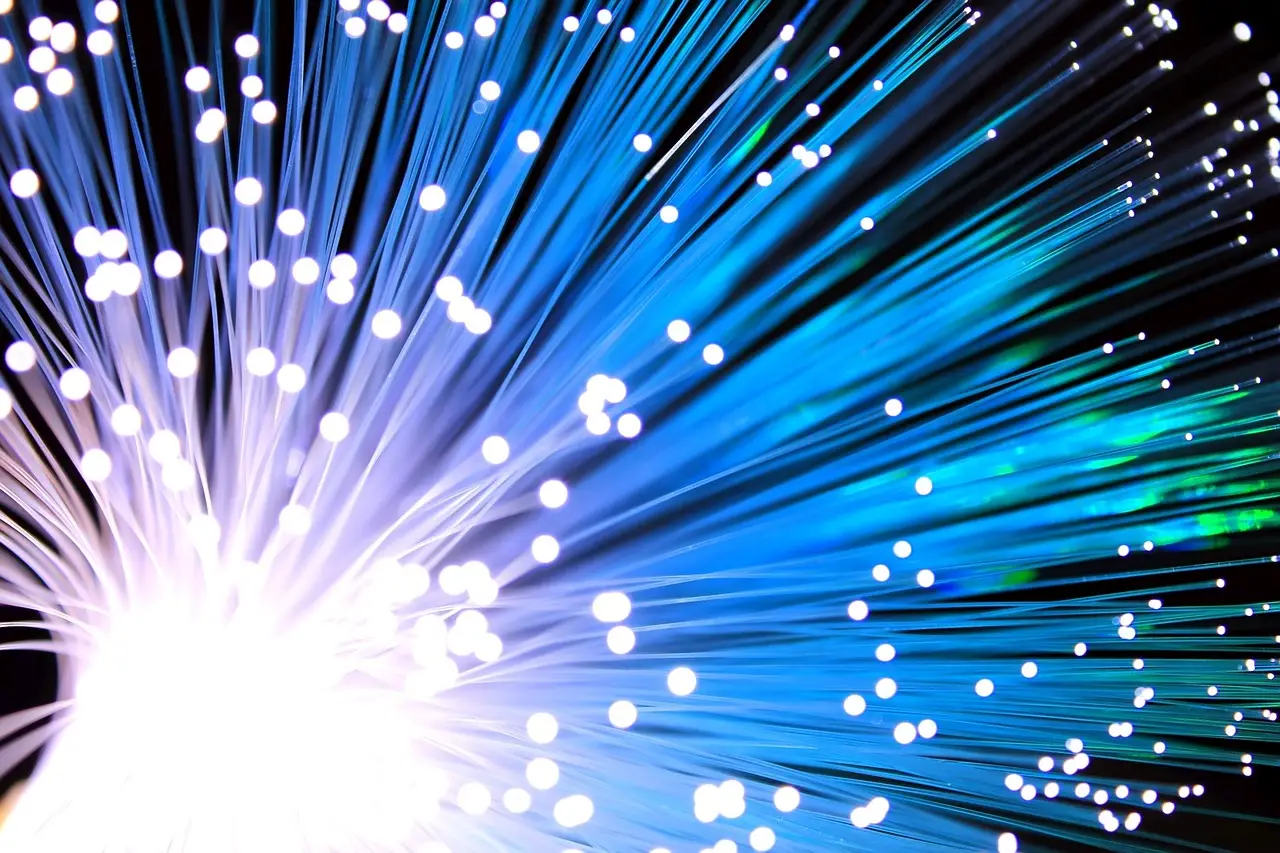
Fiber optic cable prices have jumped six to ten times in the past two years, and Ukraine's drone industry is one of the casualties. A research and development representative at BlueBird Tech, a Ukrainian defense firm specializing in drones, told Ars Technica that AI data center demand is soaking up so much of the global fiber supply that the war effort on Ukraine's side is being squeezed at the sourcing level.
The numbers frame the imbalance starkly. Ukraine and Russia together are estimated to produce around 50,000 fiber-optic-tethered drones per month, each capable of ranges up to 62 miles. In August 2025, Ukraine managed to acquire just 72 miles of fiber optic cable from Chinese suppliers. Russia imported 328,000 miles that same month.
How much fiber is Russia buying?
Across all of 2025, Russia is estimated to have acquired 37 million miles of fiber, which would account for more than 10% of global production. Ukraine's supply line, by contrast, has narrowed to a trickle. Some Chinese companies have outright refused to sell to Ukraine, the BlueBird representative claimed, and China remains the primary producer of the material worldwide.
Russia's advantage is partly geographic. Its massive land border with China makes procurement straightforward in ways Ukraine cannot match. Workarounds exist, but they're thin. "There can be intermediaries in other countries, and prices can differ depending on the country and the purchasing route. But in the end, China remains the main source of the fiber optic material we are talking about," the BlueBird representative said.
Why can't Ukraine build its own cable?
Domestic production has been discussed, but the barriers are human as much as financial. Fiber optic cable manufacturing requires specially trained personnel, and those workers must practice on the very fiber supply that is already scarce. Automation doesn't eliminate the problem. Even automated lines still need experienced people overseeing production and guaranteeing the quality of the finished cable, the representative noted.
How did drones get tangled in the data center boom?
The context is the front line. Russia's 2022 invasion of Ukraine opened a new era of drone warfare. Russian forces first used fiber-optic-tethered drones to defeat electronic warfare jamming, and both sides now field these jam-proof machines. Fiber tethers became a strategic commodity, and then AI infrastructure started competing for the same raw material.
The global shortfall makes that competition worse. The supply gap in fiber optic cable is estimated at 111 million miles worldwide, adding to a string of shortages the data center industry has triggered in recent years. The list already includes:
- GPUs and memory chips
- PCBs and optical transceivers
- Power infrastructure
- Skilled labor, including electricians
The spillover has reached well beyond computing. Cars, home construction, and now fiber optic attack drones all sit downstream of the same AI buildout, competing for materials and people they never previously crossed paths with.
For Ukraine, the squeeze compounds. Fewer spools mean fewer drones. Russia's stockpile keeps growing. Unless fiber supply routes open up or domestic capacity comes online, the price of jam-proof drone warfare will keep climbing for the side that can least afford it.
Source: Tom's Hardware
More from Rebecca Stone
Show full bio
Correspondent covering technology and product news in Semiconductors, chip manufacturing, hardware, AI compute at Chip Dispatch.
845 articles
Related articles
fiber-costs-jump-six-to-tenfold-for-ukraine-s-drone-makers
Fiber Costs Jump Six- to Tenfold for Ukraine's Drone Makers
putin-orders-private-data-centers-to-reserve-10-capacity-for-the-state
Putin Orders Private Data Centers to Reserve 10% Capacity for the State
ukrainian-drone-strikes-push-russian-data-centers-underground
Ukrainian Drone Strikes Push Russian Data Centers Underground
russia-builds-first-130nm-lithography-tool-decades-behind-modern-fabs-1b8144ee
Russia Builds First 130nm Lithography Tool, Decades Behind Modern Fabs