AI & Compute · 3 min read
AI Data Centers Go Vertical: 11-Story San Jose Tower Joins Wave of Urban Proposals
An 11-story San Jose data center proposal anchors a U.S. push to put AI compute in downtown towers, as NYU research shows 97% of facilities already sit in urban cores or outskirts.
Key takeaways
- 11-story data center proposed in San Jose; 13-story plan in downtown Los Angeles; 12-story, 99-year-old Chicago tower slated for conversion
- NYU research: 97% of data centers sit in urban cores or outskirts; remaining 3% within 8.5 miles of the edge
- Singapore, Hong Kong, Tokyo and Taipei already operate multi-story data centers
- Data center investment projected to hit $32 trillion by 2050
- A 20-story data center proposal in Kansas City was rejected
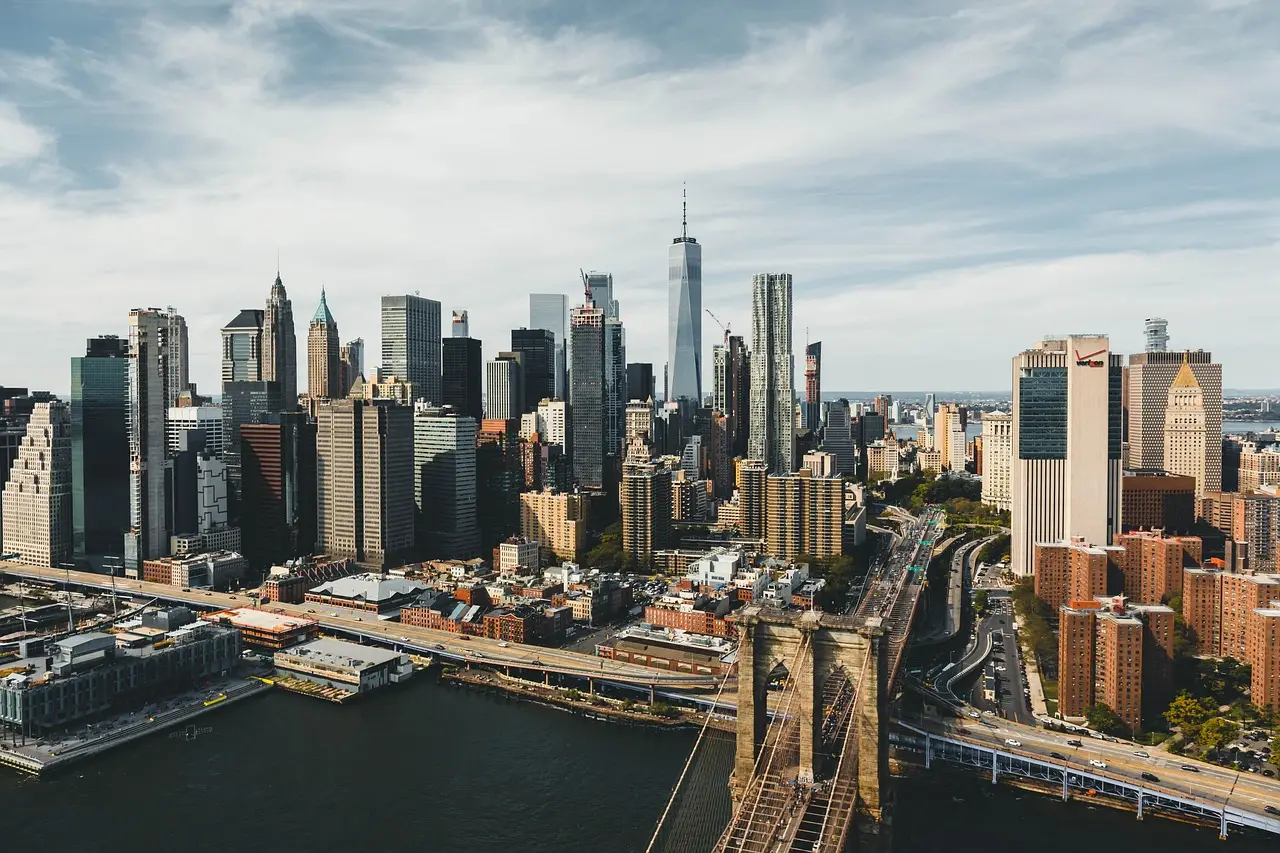
Developers have proposed an 11-story data center in San Jose, California, part of a small wave of vertical AI facilities now targeting downtown towers rather than suburban campuses. The San Jose project joins a 13-story proposal in downtown Los Angeles, a planned conversion of a 12-story, 99-year-old building in central Chicago, and a rejected 20-story plan in Kansas City.
The shift is driven by location economics. New York University researchers found that 97% of data centers already sit within a city's urban core or its outskirts, with the remaining 3% located within roughly 8.5 miles of the urban edge. Demand for AI compute, financial trading, telehealth and cloud services concentrates in those same districts, and land there carries a premium.
Why build up instead of out?
Developers in dense districts have two options: build new towers or repurpose space in existing skyscrapers. Both routes carry engineering burdens that single-story suburban campuses avoid.
Weight is the first problem. Server racks and supporting equipment weigh far more than the office furniture and occupants most towers were designed to hold, so floors destined for hardware need structural retrofits. Developers must also install heavy-lift elevators to move equipment in and out for installation and maintenance.
Cooling is the second. A single-story facility spreads its cooling systems across a wide footprint. A vertical build stacks them floor on floor, and since heat rises, upper floors face harder thermal conditions. The tower also dumps hot exhaust into a compact urban airspace.
Noise compounds the issue. Multiple data centers already field complaints from residential neighbors over constant operating sound. The counterargument is ambient masking: busy city streets, major thoroughfares and construction activity run between 60 and 85 dB, so a downtown facility may draw less notice than a quiet suburban site. Even so, developers can expect resistance where apartments, hotels, mixed-use projects and premium offices sit nearby, according to The New York Times, which first reported the trend.
What about the power?
Power demand remains the central objection. Data centers draw significantly more electricity than a comparable office building, and retrofitting a tower or building from the ground up both demand heavy infrastructure work. In already built-up urban cores, grid operators struggle to find space for the substations and support structures a large facility needs — a constraint that compounds the power-supply problems data center developers already face elsewhere.
The engineering hurdles are not disqualifying. Singapore, Hong Kong, Tokyo and Taipei, all land-constrained cities, already operate multi-story data centers. The U.S. proposals extend a proven model rather than test a new one.
How big does this get?
The U.S. midterm elections delivered a major political loss to data center proponents, according to the report, but projects and proposals are still expected to continue. Investment in the industry is projected to reach $32 trillion by 2050 — a forecast figure, not a committed spend, and one that frames the scale of expected capital flow rather than any confirmed budget.
The near-term pipeline is concrete and modest: one 11-story San Jose tower, one 13-story Los Angeles proposal, one Chicago conversion, one rejection in Kansas City. Whether that pipeline widens will depend less on demand, which is concentrated and growing in urban cores, than on whether developers can retrofit floors, stack cooling and secure grid capacity in districts where space for all three is scarce.
Tom's Hardware (Source)
More from Grace Kim
Show full bio
Market editor covering people, launches and day-to-day practice in Semiconductors, chip manufacturing, hardware, AI compute at Chip Dispatch.
1,359 articles